
 ZeckRV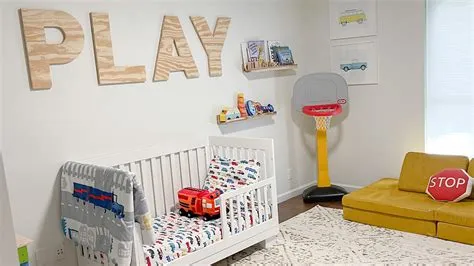
INTERIORDECOR.BIZ.ID – Designing a bedroom for a 3-year-old is an exciting opportunity to create a space that is both fun and functional. At this age, children are developing their personalities and interests, making their room a reflection of their burgeoning world. This guide will explore various ideas to transform a typical bedroom into an imaginative haven.
The primary goal is to foster a sense of wonder and safety, encouraging exploration and independent play. A well-decorated room can significantly contribute to a child’s development, stimulating their creativity and providing a comfortable environment for rest and learning.
Embrace Playful Themes
Themed bedrooms are a fantastic way to engage a three-year-old’s imagination. Consider popular characters from books or cartoons they love, or explore broader themes like space, jungle, or under the sea. A theme provides a cohesive direction for color palettes, furniture choices, and decorative accents, making the room feel truly special.
For example, a ‘Space Explorer’ theme could feature glow-in-the-dark stars on the ceiling, rocket ship bedding, and planet-shaped cushions. A ‘Jungle Adventure’ might include animal prints, leafy wall decals, and a play tent resembling a treehouse.
Color Palette and Walls
Choosing the right colors is crucial for setting the mood of the room. Soft, calming colors like pastels or muted tones can promote relaxation, while brighter, more vibrant hues can energize the space for playtime. Consider using a neutral base and adding pops of color through accessories or accent walls.
Wall decor offers a great opportunity to introduce personality. Beyond paint, consider removable wall decals, murals, or a chalkboard paint section for creative expression. These elements are easily updated as the child’s preferences change.
Functional Furniture Choices
Furniture for a 3-year-old’s room should prioritize safety, accessibility, and age-appropriateness. Low-to-the-ground beds, such as floor beds or Montessori-style beds, allow for easy access and promote independence. Ensure all furniture has rounded edges to prevent injuries.
Storage solutions are essential for keeping the room tidy. Opt for open shelving for displaying favorite toys and books, and enclosed bins or drawers for items that need to be put away. Child-sized furniture, like a small table and chairs, can encourage independent activities like drawing or building.
Creating Zones
Even in a small room, it’s beneficial to create distinct zones for different activities. Designate an area for sleeping, another for active play, and a quiet corner for reading or creative pursuits. This organization helps children understand and navigate their space.
A cozy reading nook with soft cushions and good lighting can encourage a love for books. A small play mat or rug can define an area for building blocks or imaginative play, making it a distinct and inviting spot.
Lighting and Safety
Appropriate lighting is vital for both mood and safety. Ambient lighting should be soft and warm, especially in the sleeping area. Task lighting, like a bedside lamp or a reading light, is important for activities outside of bedtime.
Safety is paramount for any toddler’s room. Ensure all electrical outlets are covered, cords are managed safely, and windows have secure locks. Regularly check for any potential hazards and child-proof the entire space.
Incorporating Personal Touches
Involving your child in the decorating process, even in small ways, can make the room feel more personal to them. Let them choose a favorite stuffed animal to display or a picture they’ve drawn to hang on the wall. These personal touches foster a sense of ownership and pride.
Consider a display wall where they can showcase their artwork or favorite toys. This not only adds a personal flair but also encourages their creative endeavors and provides a sense of accomplishment.
Textiles and Comfort
Soft textiles like rugs, curtains, and bedding play a significant role in the overall feel of the room. Choose comfortable, durable, and easy-to-clean fabrics. Patterns and textures can add visual interest and warmth to the space.
Fluffy rugs can make floor play more comfortable, while blackout curtains can help ensure a good night’s sleep. The bedding itself can be a focal point, featuring fun prints or characters that your child adores.
Fostering Independence
A well-designed room for a 3-year-old should encourage independence. Low shelves and accessible toy bins allow them to choose and put away their own toys. A reachable coat rack or hooks for their clothes can also promote self-sufficiency.
This sense of autonomy is vital for a child’s confidence. By providing them with a space they can manage themselves, you’re nurturing their growing abilities and encouraging responsibility from an early age.
The Importance of Flexibility
Remember that a 3-year-old’s interests can change rapidly. Opt for decor elements that are easy to update or repurpose. Modular furniture or easily changeable wall art can adapt to their evolving tastes without requiring a complete overhaul.
This flexibility ensures that the bedroom remains a beloved space for years to come, growing with your child’s developmental stages and changing preferences. It’s about creating a foundation that can be adapted rather than something that needs to be replaced entirely.
Conclusion: A Space for Growth and Joy
Creating a wonderful bedroom for a 3-year-old is about balancing fun, functionality, and safety. By incorporating playful themes, thoughtful furniture, and personal touches, you can design a space that not only looks great but also supports your child’s development and happiness.
Ultimately, the best decor ideas are those that resonate with your child and provide them with a secure, stimulating, and joyful environment to explore, learn, and grow.
Frequently Asked Questions (FAQ)
What are the best themes for a 3-year-old’s bedroom?
Popular themes include animals, space, vehicles, fairy tales, or favorite cartoon characters. The key is to choose something that sparks your child’s imagination and interests.
How can I make a small 3-year-old’s bedroom feel bigger?
Utilize vertical space with tall, narrow shelving, opt for light and neutral wall colors, and choose furniture that is proportionate to the room size. Mirrors can also create an illusion of more space.
What kind of bed is best for a 3-year-old?
Floor beds or low-profile toddler beds are ideal as they are safe and easy for young children to get in and out of independently.
How important is storage in a 3-year-old’s bedroom?
Storage is extremely important for keeping the room organized and promoting independence. Use a mix of open shelves for display and bins or drawers for tidying away toys and books.
Should I child-proof the entire bedroom?
Yes, child-proofing is essential. Cover electrical outlets, secure furniture to walls, ensure windows are safe, and remove any potential hazards to create a safe play and sleep environment.
Written by: Emily Taylor