
 ZeckRV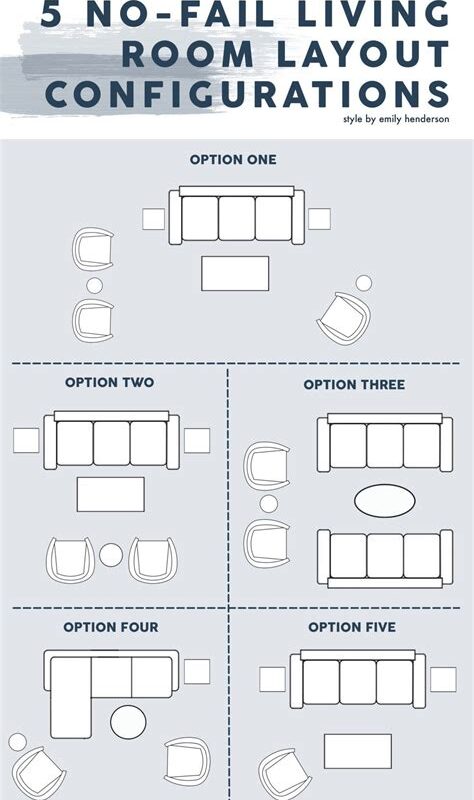
INTERIORDECOR.BIZ.ID – Thoughtful living room furniture placement ideas are crucial for creating a comfortable and functional space. Proper arrangement enhances both aesthetics and the usability of your most-used communal area.
This guide will explore key principles to help you design a harmonious and inviting living room layout. Understanding these concepts will transform your space from merely decorated to truly designed.
Define Your Focal Point First
Every living room needs a primary focal point to anchor the design. This could be a fireplace, a television, a large window with a view, or a significant piece of art.
Arrange your main furniture pieces, such as sofas and armchairs, to face or complement this central feature. This establishes a natural orientation for the room’s primary activities.
Prioritize Traffic Flow
Consider how people will move through the room to avoid creating obstacles or bottlenecks. Ensure there are clear pathways, ideally around 3 feet wide, between furniture pieces and into other areas.
Place larger items like sofas against walls or in areas that don’t impede movement, allowing for easy navigation. This ensures comfort and safety for everyone using the space.
Create Conversation Zones
Arrange seating to facilitate easy conversation without excessive shouting or straining. Sofas and chairs should be close enough to each other, typically within 8 feet, to encourage interaction.
Consider placing two sofas facing each other or a sofa with two chairs opposite for balanced conversational setups. This fosters a welcoming atmosphere for guests and family alike.
Respect Scale and Proportion
The size of your furniture should be appropriate for the size of your room to avoid overwhelming or underfilling the space. A huge sectional in a small room can feel cramped, while tiny pieces in a grand room can feel lost.
Aim for a visual balance where furniture pieces complement each other in size and don’t compete for attention. This creates a cohesive and visually pleasing environment.
Utilize Rugs to Define Areas
Area rugs are excellent tools for anchoring furniture and defining specific zones within a larger open-plan living room. Ensure the rug is large enough so at least the front legs of all major seating pieces rest on it.
This visual boundary helps to unify the furniture arrangement and create a cozy, well-defined seating area. A well-placed rug significantly impacts the perceived structure of the room.
Balance Furniture Weight
Distribute the visual weight of your furniture evenly across the room to prevent one side from feeling too heavy or sparse. This involves considering both the size and mass of individual pieces.
For example, balance a large sofa on one side with two smaller armchairs and a floor lamp on the opposite side. Achieving this balance creates a harmonious and stable look.
Integrate Lighting and Accessories
Strategic lighting placement can dramatically enhance the ambiance and functionality of your living room. Incorporate a mix of overhead, task, and accent lighting to illuminate various areas.
Similarly, use accessories like side tables, plants, and wall art to complement your furniture layout and add personality. These elements complete the room’s design and make it feel lived-in.
By applying these essential living room furniture placement ideas, you can transform your space into a stylish, comfortable, and highly functional environment. Experiment with different arrangements to find what truly works best for your home and lifestyle.
Written by: William Clark