
 ZeckRV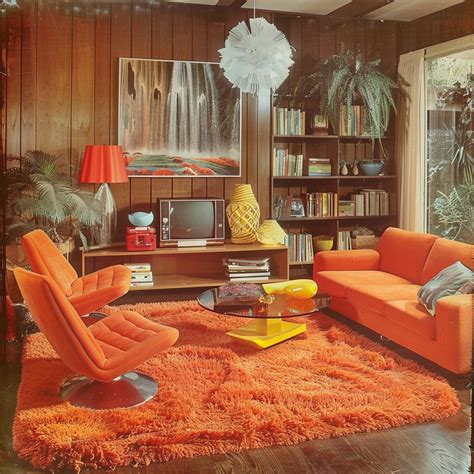
INTERIORDECOR.BIZ.ID – The living room furniture from the 1960s and 1970s holds an undeniable allure, marking a vibrant shift in design sensibilities. These two decades collectively redefined domestic spaces, moving from futuristic optimism to earthy comfort and bold self-expression.
Understanding the distinct characteristics of each era helps appreciate their lasting impact on contemporary interior design. Both periods offer unique pieces that continue to inspire and furnish modern homes with a touch of retro charm.
The Dynamic Sixties: Space Age and Pop Art
The 1960s ushered in an era of technological optimism, reflected vividly in its furniture design with “Space Age” aesthetics. Clean lines, organic curves, and experimental materials like molded plastics became dominant features.
Pop Art also heavily influenced furniture, bringing vibrant colors, geometric patterns, and playful, often oversized, forms into the living room. Iconic examples include Arne Jacobsen’s Egg Chair and Eero Saarinen’s Tulip Table, embodying this futuristic yet functional elegance.
The Earthy Seventies: Comfort and Natural Textures
As the decade progressed, 1970s living room furniture moved towards more relaxed and natural aesthetics. Earthy tones, plush textures, and bohemian influences became increasingly popular, prioritizing comfort and a grounded feel.
Modular sofas, low-slung seating, and chunky wooden pieces made from teak or rosewood defined this period. The 70s also saw the rise of shag carpets, macramé details, and velvet or corduroy upholstery, creating warm and inviting spaces.
Key Materials and Forms of the Eras
Both decades extensively utilized wood, particularly teak and rosewood, for its durability and rich appearance in furniture frames and tables. However, the 60s began experimenting heavily with new materials like chrome and various forms of molded plastic, giving rise to revolutionary shapes.
The 70s continued this exploration but also reintroduced natural fibers and softer textiles, such as wool, linen, and plush velvets. Furniture forms shifted from the sleek, elevated look of the early 60s to lower, more sprawling, and modular configurations that encouraged lounging and informal gatherings.
Integrating Vintage Charm Today
Incorporating 60s and 70s living room furniture into modern interiors creates a unique blend of historical charm and contemporary style. A single statement piece, like a vintage lounge chair or a retro coffee table, can instantly add character and warmth.
These pieces often boast exceptional craftsmanship and timeless designs that transcend fleeting trends. Their enduring appeal lies in their distinctive aesthetic and the stories they tell about a pivotal time in design history.
Frequently Asked Questions (FAQ)
What are the main differences between 60s and 70s living room furniture?
The 1960s furniture often featured futuristic, ‘Space Age’ designs with bold colors, molded plastics, and sleek lines, influenced by Pop Art. In contrast, 1970s furniture typically embraced earthy tones, natural materials like teak, and plush textures such as velvet, focusing on comfort and modularity with a bohemian or brutalist touch.
Which iconic designers influenced furniture in these decades?
Many designers from the Mid-Century Modern movement continued to influence the 60s, including Charles and Ray Eames, Eero Saarinen, and Arne Jacobsen. The 70s saw designers like Verner Panton pushing boundaries with experimental forms, and a general shift towards more anonymous, comfort-focused designs from mainstream manufacturers.
What materials were commonly used in 60s and 70s living room furniture?
The 1960s frequently used molded plastic (like ABS), chrome, glass, and polished wood such as teak. The 1970s continued with teak and rosewood but also heavily incorporated softer textiles like velvet, corduroy, wool, and natural materials like rattan or wicker, alongside some continued use of chrome and glass.
How can I integrate vintage 60s or 70s furniture into a modern home?
To integrate vintage pieces, start with a statement item like a unique lounge chair, a retro coffee table, or a striking modular sofa. Mix it with contemporary pieces to create balance, ensuring the vintage item serves as a focal point without overwhelming the space. Consider upholstery changes for a fresh look that respects the original design.
Written by: Sophia Martinez