
 ZeckRV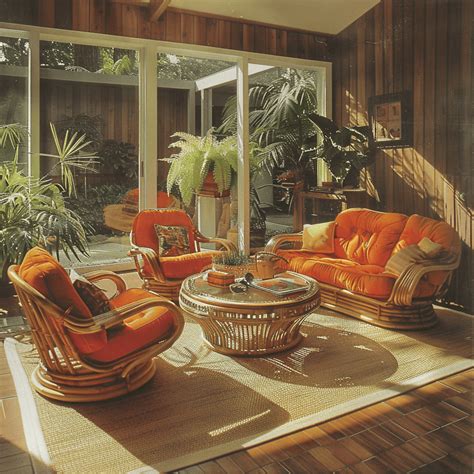
INTERIORDECOR.BIZ.ID – The 1970s brought a distinct and diverse aesthetic to home interiors, fundamentally shaping what we now recognize as 70s living room furniture. This era moved beyond the structured confines of mid-century modern, embracing a blend of comfort, experimental forms, and a burgeoning environmental consciousness.
Characterized by a rejection of formality, 70s decor often leaned into bold patterns, earthy tones, and unconventional materials. It was a decade where personal expression truly began to flourish in residential spaces, making vintage 70s pieces highly sought after today.
Key Styles of 70s Living Room Furniture
The furniture from the 1970s wasn’t monolithic; several prominent styles coexisted, each contributing to the decade’s unique charm. Understanding these styles helps appreciate the full spectrum of 1970s living room furniture design.
Bohemian & Earthy Comfort
One dominant trend was the Bohemian look, featuring natural materials, macrame, and plush, low-slung seating. Think bean bags, oversized modular sofas, and rattan furniture, all inviting a relaxed and informal atmosphere.
Earthy color palettes of avocado green, burnt orange, mustard yellow, and chocolate brown were ubiquitous. These hues, combined with textured fabrics like corduroy, velvet, and shag carpet, created warm and inviting spaces.
Space Age & Avant-Garde
In stark contrast, the Space Age aesthetic continued its influence from the late 60s, introducing futuristic shapes and synthetic materials. Furniture often featured sleek, curved lines, glossy finishes, and plastics in vibrant colors.
Iconic pieces included spherical chairs, pod-like seating, and minimalist chrome accents. This style celebrated technological optimism and a departure from traditional forms, offering a bold statement in any living room.
Brutalist Influences
A more rugged, architectural influence also emerged, known as Brutalism, characterized by raw, unfinished textures and monolithic forms. While often seen in architecture, its principles trickled down into furniture design, featuring heavy, geometric pieces, sometimes in concrete or dark, imposing woods.
This added a grounding, sculptural element to some 70s interiors, often juxtaposed with softer textiles. It represented a counterpoint to the more playful or earthy styles, showcasing the decade’s diverse design landscape.
Popular Materials and Finishes
The 1970s saw an adventurous mix of materials, reflecting both natural and synthetic trends. Plastics, such as ABS and fiberglass, were popular for their moldability and vibrant color options, allowing for innovative furniture designs.
Chrome and brass were frequently used for frames, legs, and decorative accents, adding a touch of sleekness or luxury. Natural woods like teak, oak, and rosewood remained popular, often with darker stains or left in their natural state, complementing the earthy aesthetic.
Integrating 70s Furniture into Modern Homes
Today, retro 70s furniture is experiencing a significant resurgence, prized for its unique character and quality construction. Modern decorators often incorporate individual vintage pieces as focal points rather than furnishing an entire room in period style.
A single velvet sectional, a rattan chair, or a geometric coffee table can add warmth, texture, and a touch of nostalgic charm to a contemporary space. Mixing these classic designs with clean modern lines creates an eclectic and personalized interior that stands out.
The Enduring Appeal of Vintage 70s Pieces
The lasting popularity of 70s living room furniture speaks to its versatility and timeless design elements. Its emphasis on comfort, unique forms, and a sense of individuality continues to resonate with those seeking to create distinctive and inviting homes.
Investing in vintage 70s pieces is also a sustainable choice, giving new life to well-made items and reducing demand for new manufacturing. This combination of style, comfort, and eco-consciousness ensures its place in contemporary interior design for years to come.
Frequently Asked Questions (FAQ)
What defines 70s living room furniture?
70s living room furniture is characterized by a mix of styles, including bohemian comfort, space-age futurism, and brutalist influences. Key elements include bold colors, diverse materials like plastics, chrome, and natural woods, and a focus on comfort and informal living.
What materials were popular in 70s furniture?
Popular materials included synthetic plastics (ABS, fiberglass) for futuristic designs, chrome and brass for sleek accents, and natural woods like teak, oak, and rosewood. Textured fabrics such as corduroy, velvet, and shag were also very common for upholstery.
How can I incorporate 70s furniture into a modern home?
To integrate 70s furniture, focus on using individual vintage pieces as statement accents rather than furnishing an entire room. A retro sectional, a rattan chair, or a unique coffee table can add character and warmth when mixed with more contemporary designs, creating an eclectic and personalized look.
Are vintage 70s furniture pieces valuable today?
Yes, many vintage 70s furniture pieces are highly valuable today, especially those from renowned designers or in excellent condition. Their unique designs and quality construction make them desirable for collectors and those looking to add a touch of retro elegance to their homes, also aligning with sustainable decor trends.
Written by: Isabella Lewis