
 ZeckRV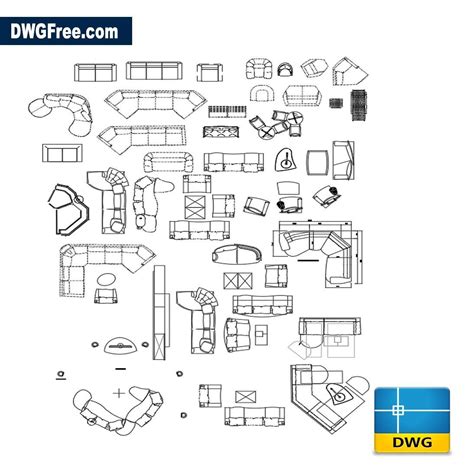
INTERIORDECOR.BIZ.ID – Designing a functional and aesthetically pleasing living space often begins long before any physical furniture is moved. Utilizing living room furniture 2D layouts provides an essential tool for effective space planning and visualization. This method involves representing furniture items from a top-down perspective, allowing designers and homeowners to arrange elements virtually.
The primary purpose of a 2D furniture layout is to understand how various pieces will fit within a given room’s dimensions. It helps ensure proper scale, traffic flow, and overall balance within the living area before any purchases or rearrangements are made. This foresight can prevent costly mistakes and save significant time during the actual setup process.
Understanding 2D Representation in Interior Design
In the context of interior design, 2D refers to a two-dimensional view, typically a floor plan, where objects are shown without depth or height. For furniture, this means seeing the outline or footprint of items like sofas, armchairs, coffee tables, and entertainment units. These representations are crucial for visualizing spatial relationships and clearances.
Various design software, from simple online tools to professional Computer-Aided Design (CAD) programs, facilitate the creation of these layouts. Users can drag and drop pre-sized furniture blocks or custom-draw shapes to match their desired pieces. This digital approach offers flexibility and precision that traditional pen-and-paper methods often lack.
Key Benefits of Using 2D Furniture Layouts
Employing 2D layouts offers several distinct advantages for any living room project. Firstly, it allows for meticulous space optimization, ensuring that every square foot is utilized efficiently without feeling cramped or underfurnished. Secondly, it helps in establishing clear pathways and traffic flow, making the room comfortable and easy to navigate for residents and guests alike.
Furthermore, these layouts are excellent for experimenting with different furniture arrangements and styles without physical effort. Designers can quickly test multiple configurations, identify focal points, and determine the best placement for windows, doors, and other architectural features. This iterative process is invaluable for achieving a truly harmonious living environment.
Elements to Consider in Your 2D Living Room Design
When creating a 2D layout for your living room, several key elements require careful consideration. Begin by accurately measuring the room’s dimensions, including walls, windows, doors, and any built-in features like fireplaces or radiators. These measurements form the foundational canvas for your design.
Next, think about the primary function of your living room and the activities that will take place there. Will it be a space for entertaining, relaxation, reading, or watching television? This functional assessment will guide your choice and placement of essential furniture pieces, such as seating arrangements and storage solutions.
Tips for Effective 2D Living Room Furniture Placement
To maximize the effectiveness of your 2D living room layout, always prioritize functionality and comfort. Ensure there is enough clearance around furniture for easy movement, typically at least 30-36 inches for main pathways. Consider the focal point of the room, whether it’s a fireplace, a large window, or a media center, and arrange furniture to complement it.
Maintain a sense of balance by distributing visual weight evenly throughout the room, avoiding heavy groupings on one side. Remember that 2D plans are a starting point; they provide a strategic overview that can be refined with 3D models or actual furniture placement. The goal is a well-proportioned and inviting space.
Frequently Asked Questions (FAQ)
What is the main purpose of 2D living room furniture layouts?
The main purpose is to help visualize how furniture pieces will fit within a room’s dimensions, optimizing space, ensuring proper scale, and establishing good traffic flow before any physical rearrangement or purchase. This prevents costly mistakes and saves time.
What software can I use for 2D furniture layouts?
Many design software options are available, ranging from simple online room planners to professional Computer-Aided Design (CAD) programs. These tools allow users to drag and drop or draw furniture representations with precision.
How do I ensure proper scale in 2D designs?
To ensure proper scale, accurately measure your room’s dimensions and the furniture pieces you plan to use. Most 2D design tools allow you to input precise measurements or use scaled representations of common furniture items.
What are common mistakes to avoid in 2D layouts?
Common mistakes include not accounting for adequate traffic flow, placing too much furniture for the space, failing to consider focal points, and neglecting to measure built-in features accurately. Always aim for balance and functionality.
Can 2D layouts help with decorating choices beyond placement?
While primarily focused on placement and spatial relationships, 2D layouts indirectly help with decorating by clarifying the available space for decorative items like rugs, lamps, and artwork. A well-planned 2D layout provides the foundation for cohesive decorating.
Written by: James Wilson