
 ZeckRV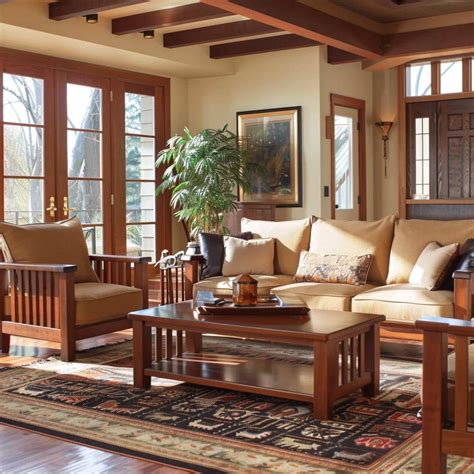
The living room serves as the heart of a home, a space for relaxation, entertainment, and gathering. Thoughtful living room furniture decor is crucial for creating an inviting and functional environment that reflects your personal style. It goes beyond just placing items; it involves strategic planning to achieve harmony.
Understanding fundamental design principles can transform an ordinary space into an extraordinary one. This guide provides key insights and practical tips to help you curate your ideal living room.
Laying the Foundation: Essential Pieces and Principles
Core Furniture Selections
Begin by selecting the foundational furniture pieces for your living room. A comfortable sofa is typically the centerpiece, complemented by accent chairs, a coffee table, and side tables. These items define the main functional zones within your space.
Consider your lifestyle and how you intend to use the room most often when choosing. Durability and comfort should always be prioritized alongside aesthetics.
Understanding Scale and Proportion
Achieving balance in your living room furniture decor relies heavily on correct scale and proportion. Furniture should appropriately fit the room’s size, preventing it from feeling either cramped or cavernous. A large sectional in a small room will overwhelm it, just as tiny furniture in a vast room will look lost.
Measure your room and potential furniture dimensions to ensure a harmonious fit. Leave adequate space for movement around each item, ensuring clear traffic flow.
Crafting Ambiance: Styling and Arrangement Tips
Optimizing Layout and Flow
An effective furniture layout is fundamental for both aesthetics and functionality. Arrange seating to encourage conversation, typically around a central point like a coffee table or fireplace. Ensure clear pathways, allowing easy movement between different areas.
Consider a focal point, such as a window, art, or a media console, and arrange furniture to highlight it. Experiment with arrangements, perhaps by sketching, before moving heavy items.
Harmonizing Color and Texture
The color palette and textures you choose significantly impact the living room’s mood and warmth. Select colors that resonate with your taste and complement your home’s overall aesthetic. Incorporate different textures through rugs, throws, and cushions to add depth and visual interest.
A cohesive color scheme doesn’t mean everything must perfectly match; instead, select complementary hues and varying shades. Textural variety can make a room feel rich and inviting.
Strategic Lighting Elements
Lighting is a powerful element in any living room furniture decor scheme, enhancing both mood and functionality. Utilize a layered lighting approach, combining ambient, task, and accent lighting. Floor lamps, table lamps, and pendants each serve unique purposes.
Strategically placed lighting can make a room feel larger, more intimate, or simply more welcoming. Dimmers are excellent for controlling ambiance throughout the day and evening.
Adding Personal Touches and Accessories
Finally, infuse your living room with personality through carefully chosen accessories and decorative accents. Art, photographs, plants, and decorative objects tell your story and make the space uniquely yours. Avoid clutter by selecting a few meaningful pieces.
These finishing touches bring warmth and character, transforming furniture into a truly lived-in and loved space. Regular decluttering helps maintain a fresh and inviting atmosphere.
In conclusion, successful living room furniture decor blends functionality with aesthetic appeal. By focusing on essential pieces, thoughtful arrangement, and personal touches, you can create a comfortable and stylish living area. Embrace your creativity to design a space that truly feels like home.
Frequently Asked Questions (FAQ)
What are the essential furniture pieces for a living room?
INTERIORDECOR.BIZ.ID – Essential furniture pieces typically include a sofa (or sectional), a coffee table, and possibly accent chairs or side tables. These form the functional core of the space for seating and surface needs.
How do I determine the right size of furniture for my living room?
Determine furniture size by measuring your living room dimensions and creating a floor plan. Ensure there’s adequate space for movement around each piece and that furniture doesn’t overwhelm or get lost in the room.
What is the best way to arrange living room furniture for optimal flow?
For optimal flow, arrange furniture to create clear pathways, typically at least 30-36 inches wide. Group seating to encourage conversation, often centered around a focal point like a fireplace or TV.
How can I personalize my living room decor without making it cluttered?
Personalize your decor by incorporating meaningful accessories such as art, photographs, plants, or unique decorative objects. Select a few carefully chosen items that reflect your personality instead of many small, insignificant ones to avoid clutter.
Should all furniture in a living room match?
Not all furniture needs to match perfectly; a cohesive look is often achieved through complementary colors, textures, and styles. Mixing different pieces can add depth and character, as long as they work together harmoniously.
Written by: John Smith