
 ZeckRV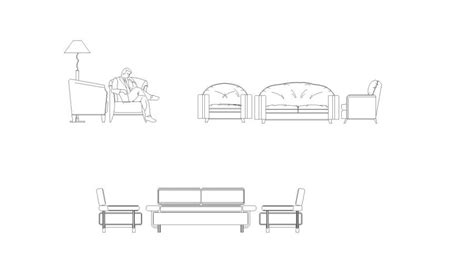
INTERIORDECOR.BIZ.ID – Understanding living room furniture elevation DWG files is fundamental for professional interior designers and architects. These detailed technical drawings provide a crucial vertical perspective of a space, offering insights beyond typical floor plans. They meticulously illustrate how furniture interacts with walls, windows, and other architectural elements, ensuring aesthetic harmony and functional placement.
An elevation drawing, represented often as a .DWG file, depicts the side view of a specific wall within a room. Unlike a floor plan that shows a top-down view, elevations reveal the height, depth, and vertical arrangement of elements. For a living room, this means clearly visualizing sofas, shelving units, artwork, and lighting fixtures in relation to their surroundings.
The Importance of Elevation DWGs in Living Room Design
Living room furniture elevation DWGs are indispensable tools for accurate space planning and visualization. They allow designers to precisely map out furniture placement, assess scale, and ensure adequate clearance for pathways and doors. This detailed perspective helps prevent costly mistakes and miscommunications during the design and installation phases.
Moreover, these drawings are vital for communicating design intent to clients and contractors. They provide a clear, unambiguous representation of how the finished living room will look, facilitating approvals and ensuring all parties are aligned. Designers can use them to showcase specific design elements, materials, and finishes with high fidelity.
Key Elements in a Living Room Furniture Elevation DWG
A comprehensive living room furniture elevation DWG includes much more than just furniture outlines. It typically details exact dimensions for each piece, including height, width, and depth, ensuring everything fits perfectly. Material call-outs and finish specifications are also often included, giving a tactile sense to the visualized space.
Furthermore, these drawings often incorporate architectural features like windows, doors, fireplaces, and built-in shelving. They can also indicate electrical outlet locations, light switch heights, and even the placement of wall-mounted televisions or art. This holistic view ensures that all functional and aesthetic elements are considered in conjunction with the furniture.
Benefits for Designers and Clients
For designers, working with elevation DWGs significantly enhances accuracy and reduces the likelihood of design flaws. It enables them to experiment with different layouts and furniture combinations virtually before any physical work begins, saving time and resources. The precision offered by CAD software ensures every measurement is exact and every detail accounted for.
Clients benefit immensely from these visual aids as they can clearly understand the proposed design, making informed decisions. The ability to see furniture in true proportion and context helps them envision their future living space with confidence. This level of detail fosters trust and ensures client satisfaction with the final outcome.
In conclusion, mastering living room furniture elevation DWG files is a critical skill set in modern interior design. These drawings transcend basic floor plans by offering a rich, vertical perspective that integrates aesthetics with practicality. They are the cornerstone of successful project execution, bridging the gap between concept and a beautifully realized living space.
Frequently Asked Questions (FAQ)
What is a Living Room Furniture Elevation DWG?
A Living Room Furniture Elevation DWG (Drawing) is a technical drawing that shows a vertical view of a specific wall within a living room, detailing furniture placement, dimensions, and how items relate to architectural features like windows and doors. It’s typically created using CAD software.
How does an Elevation DWG differ from a Floor Plan?
A floor plan provides a top-down view of a room, showing the layout of walls, doors, windows, and furniture from above. In contrast, an elevation DWG shows a side or vertical view of a particular wall, revealing the height, depth, and vertical arrangement of elements such as furniture, wall art, and light fixtures.
Why are Elevation Drawings important for Living Room Design?
Elevation drawings are crucial for visualizing how furniture will appear against walls, understanding spatial relationships, and ensuring correct scale and proportions. They help designers prevent placement errors, communicate design intent clearly to clients, and ensure functional and aesthetic harmony within the living room.
What kind of details should be included in these drawings?
Key details include precise dimensions of all furniture pieces (height, width, depth), their exact placement on the wall, material and finish specifications, and the integration of architectural elements like windows, doors, and fireplaces. Electrical outlets, light switches, and wall-mounted items are also often indicated.
What software is typically used to create Elevation DWGs?
Most professional designers use Computer-Aided Design (CAD) software to create elevation DWGs. Popular choices include AutoCAD, SketchUp, Revit, and other architectural design programs that allow for precise technical drawing and 3D modeling.
Written by: Sophia Martinez