
 ZeckRV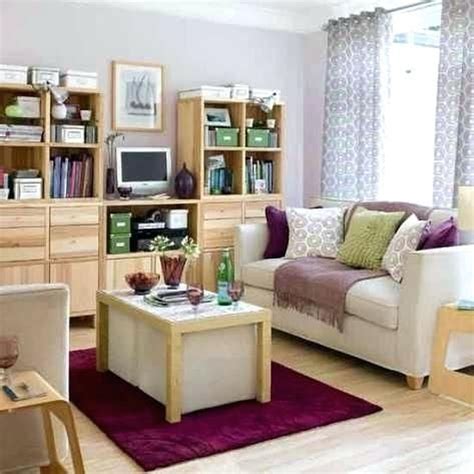
INTERIORDECOR.BIZ.ID – Small living rooms present unique challenges for furniture selection and layout. However, with strategic choices, you can transform a cramped area into a highly functional and stylish sanctuary.
The key lies in understanding how each piece contributes to the room’s overall flow and utility. Thoughtful planning ensures your small space feels expansive and inviting, rather than cluttered.
The Art of Space Optimization
Prioritizing multi-functional furniture is crucial when dealing with limited square footage. Pieces that serve more than one purpose inherently save space, offering versatility without sacrificing comfort.
Equally important is selecting furniture scaled appropriately for your room’s dimensions. Overly large items can overwhelm a small area, making it feel even smaller and less accessible.
Smart Furniture Selections
Sofa & Seating Solutions
Instead of a bulky sectional, consider a compact loveseat or an armless sofa. These options provide comfortable seating without consuming excessive visual or physical space.
Ottomans with hidden storage are incredibly practical, doubling as extra seating, a footrest, or even a makeshift coffee table. Nesting tables also offer flexible surfaces that can be tucked away when not needed.
Storage & Display Innovations
Embrace vertical space by utilizing tall, narrow bookshelves or wall-mounted shelving units. This draws the eye upward, creating an illusion of height and keeping floor space clear.
Console tables placed behind a sofa or against a wall can provide valuable surface area without much depth. Look for designs with open shelving or drawers for added utility.
Lighting & Aesthetic Enhancements
Choose slim-profile floor lamps or wall sconces to provide ample light without occupying precious floor space. Bright, well-distributed lighting also helps a room feel larger and more open.
Incorporating mirrors strategically can dramatically enlarge the perception of a small room. A light color palette for walls and larger furniture pieces will further enhance this airy, spacious feel.
Layout Strategies for Efficiency
Ensure clear pathways are maintained throughout the living room, allowing easy movement between furniture pieces. Avoid pushing all furniture against the walls, as this can sometimes make a room feel boxy.
Consider floating a smaller sofa or chairs in the middle to create distinct zones if possible. Flexible arrangements that can be reconfigured are highly beneficial for adapting to different needs.
Furnishing a small living room doesn’t mean compromising on style or comfort. By focusing on smart, scaled, and multi-functional pieces, you can craft a beautiful and efficient living area that truly maximizes its potential.
Frequently Asked Questions (FAQ)
What kind of sofa is best for a small living room?
For small living rooms, compact options like a loveseat, an armless sofa, or a small modular sofa with interchangeable pieces are ideal. These provide adequate seating without overwhelming the space.
How can I add storage to a small living room without making it feel cluttered?
Utilize vertical space with tall, narrow bookshelves or wall-mounted shelves. Ottomans with hidden storage, coffee tables with drawers, and console tables with built-in compartments are also excellent space-saving storage solutions.
What are some tips for making a small living room appear larger?
To make a small living room appear larger, use a light color palette for walls and furniture, strategically place mirrors to reflect light and expand perception, and choose furniture with slim profiles and exposed legs to create an airy feel. Good lighting is also essential.
Should I choose multi-functional furniture for a small living room?
Absolutely. Multi-functional furniture is highly recommended for small spaces. Examples include sofa beds, storage ottomans, nesting tables, and benches that offer both seating and storage, helping to maximize utility in limited areas.
Written by: William Clark