
 ZeckRV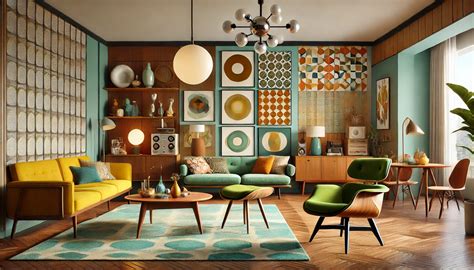
INTERIORDECOR.BIZ.ID – The 1960s marked a pivotal decade in design, significantly shaping the aesthetics of living room furniture. This era moved beyond traditional styles, embracing innovation, bold forms, and new materials.
The influence of the counterculture and the space race fostered a desire for furniture that was both functional and aesthetically progressive. Homes became canvases for expressing individuality and a forward-looking spirit.
The Enduring Appeal of Mid-Century Modern
At the heart of 1960s living room design was the continuing dominance of Mid-Century Modern (MCM) aesthetics. Characterized by clean lines, organic shapes, and a focus on functionality, MCM pieces remained incredibly popular throughout the decade.
Designers like Charles and Ray Eames continued to produce iconic pieces, setting standards for ergonomic comfort and timeless appeal. Their work exemplified the era’s blend of artistry and industrial innovation.
Materials and Color Palettes of the Decade
Designers of the 60s eagerly experimented with a diverse range of materials, moving beyond traditional wood. Teak, rosewood, and walnut remained popular, often contrasted with chrome, plastics, and innovative upholstery fabrics like vinyl.
Color palettes became bolder and more vibrant, reflecting the decade’s spirit of change and youthful energy. Bright oranges, avocado greens, mustard yellows, and psychedelic patterns brought a playful, modern feel to homes.
Key Characteristics of 1960s Living Room Furniture
Functionality and comfort were paramount, with designs often featuring modularity and ergonomic considerations. Sofas and armchairs were typically low-slung, offering a relaxed yet sophisticated seating experience.
Sculptural forms and geometric patterns became common, moving away from ornate detailing towards sleek, minimalist profiles. This emphasis on form followed function, creating pieces that were both practical and visually striking.
Iconic Silhouettes and Designer Innovations
Many pieces from the 60s are instantly recognizable today, such as Saarinen’s Tulip Table or Verner Panton’s stackable chairs. These innovations pushed boundaries, making furniture more sculptural and art-like.
Modular seating systems also gained popularity, allowing homeowners flexibility in arranging their living spaces. This adaptability reflected a growing demand for versatile and informal interiors.
Integrating 1960s Furniture into Modern Homes
Today, living room furniture from the 1960s remains highly sought after by collectors and interior design enthusiasts alike. Its timeless aesthetic and quality craftsmanship ensure its continued relevance in contemporary homes.
Integrating these vintage pieces can add character and a sense of history to any modern interior. They offer a unique blend of nostalgia and enduring style that continues to captivate.
Frequently Asked Questions (FAQ)
What defined 1960s living room furniture?
1960s living room furniture was defined by its clean lines, organic and geometric shapes, a strong emphasis on functionality, and the innovative use of materials like plastics, chrome, and vibrant upholstery. It continued the Mid-Century Modern aesthetic while introducing bolder colors and experimental forms.
What materials were popular in 60s furniture?
Popular materials in 1960s furniture included exotic woods like teak, rosewood, and walnut, often combined with new synthetic materials. Chrome, molded plastics, glass, and vinyl were frequently used for their modern and often futuristic appeal, alongside brightly colored fabrics.
Are 60s furniture designs still relevant today?
Yes, 1960s furniture designs are highly relevant and sought after today. Their timeless aesthetic, durable craftsmanship, and classic appeal mean they seamlessly integrate into contemporary interiors. They add character, a touch of retro charm, and sophisticated design to modern living spaces.
What is Mid-Century Modern furniture?
Mid-Century Modern (MCM) refers to a style of furniture and interior design popular from the mid-1940s to the late 1960s. It emphasizes clean lines, simple forms, functionality, and often features organic curves, tapered legs, and materials like wood, metal, and glass. The 1960s saw the continued evolution and broad adoption of this enduring style.
Written by: Michael Brown