
 ZeckRV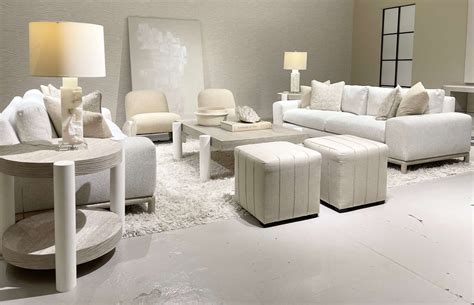
INTERIORDECOR.BIZ.ID – Effective living room furniture groupings are essential for both aesthetics and functionality, forming the backbone of a well-designed space. Thoughtful arrangements create inviting spaces, guide movement, and enhance the overall comfort of your home, transforming a mere house into a sanctuary.
The Core Principles: Functionality and Flow
Begin by defining the primary function of your living room, such as facilitating conversation, entertaining guests, or serving as a quiet reading nook. Always ensure that clear and unobstructed traffic paths are maintained, allowing easy movement through and around the entire space.
Identify your room’s natural focal point, which might be an architectural feature like a fireplace or a large window, or a designated media console. Arrange your main seating pieces to directly face or prominently highlight this central feature, providing a strong visual anchor for the room.
Crafting Conversation Areas with Balance
The most effective furniture groupings aim to facilitate comfortable interaction among occupants, making the space feel welcoming and cohesive. Place sofas and chairs close enough for easy conversation without requiring raised voices, generally maintaining a distance of no more than eight feet between main seating elements.
Achieving balance is crucial; distribute the visual weight of your furniture evenly across the room to prevent any one area from feeling either too heavy or excessively sparse. Utilize a variety of furniture types, such as a sofa, two armchairs, and a coffee table, to create a well-rounded and balanced ensemble.
Considering Room Shape and Scale
The shape of your living room significantly influences the ideal furniture grouping, with rectangular rooms often benefiting from multiple zones while square rooms suit a central arrangement. Always ensure that the scale of your furniture is proportionate to the room’s overall dimensions and ceiling height.
Oversized pieces can overwhelm a smaller room, making it feel cramped and cluttered, while tiny items might appear lost and insignificant in a generously proportioned space. A strategic approach involves using a large anchor piece, such as a sectional or a long sofa, complemented by smaller, versatile pieces like accent chairs or ottomans.
Enhancing Groupings with Strategic Accessories
Once the main furniture pieces are thoughtfully arranged, integrate essential accessories like side tables, lamps, and area rugs to complete each grouping and add warmth. Area rugs are particularly effective in defining the boundaries of a furniture grouping, visually grounding the entire arrangement within the room.
Layered lighting, encompassing ambient, task, and accent lighting, profoundly enhances the mood and practical usability of different areas within the grouping. Ensure that every seating spot offers convenient access to a surface for drinks, books, or personal items, maximizing comfort and functionality.
Mastering the art of living room furniture groupings is a transformative design skill, elevating a mere collection of items into a cohesive and inviting environment. By diligently focusing on fundamental principles like function, flow, balance, and scale, you can expertly craft a living space that beautifully reflects your personal style and perfectly meets your everyday needs.
Frequently Asked Questions (FAQ)
How do I determine a focal point in a living room?
A focal point is often naturally present as an architectural feature like a fireplace or a large window, or you can create one with a prominent piece of art or a media console. Arrange your main seating to face or highlight this feature for a cohesive and visually anchored look.
What’s the best furniture grouping for a small living room?
For small living rooms, prioritize multi-functional furniture and avoid overcrowding to maintain an open feel. A compact sofa or loveseat combined with a couple of armchairs and an ottoman (which can double as a coffee table) often works best to maximize space and utility.
How much space should be between furniture pieces in a grouping?
Aim for about 14-18 inches between a sofa and coffee table for comfortable access, and ensure there’s at least 3 feet for clear walkways between major furniture pieces. Seating should be close enough for comfortable conversation, typically maintaining a distance of 3-8 feet apart.
Written by: Michael Brown