
 ZeckRV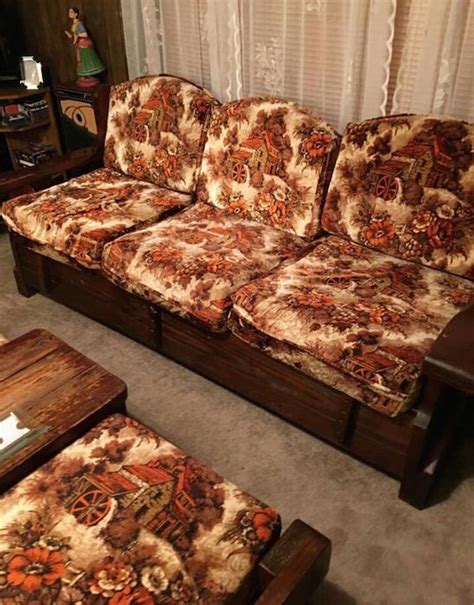
INTERIORDECOR.BIZ.ID – The late 1970s wooden couch represents a distinct period in living room furniture design, embodying a shift towards robust, natural materials and a relaxed aesthetic. These pieces offer a unique blend of nostalgia and enduring style, making them coveted items in today’s vintage markets.
Many homeowners are drawn to their sturdy construction and the warm character that only aged wood can provide, offering a tangible connection to a past era of interior design.
Defining the Late 1970s Aesthetic
The aesthetic of late 70s wooden couches often featured a more substantial and sometimes boxier silhouette compared to earlier mid-century designs. While still embracing clean lines, there was a growing preference for chunkier wooden frames that were prominently displayed.
This period saw influences from Scandinavian simplicity, coupled with a budding appreciation for more rustic or natural elements.
Key design elements of the era included a focus on exposed wood, often in darker stains or natural oak, pine, and teak finishes. Upholstery frequently showcased earthy tones, textured fabrics like corduroy, velvet, or tweed, reflecting a move towards comfort and natural living.
These couches often had cushions that were relatively firm yet inviting, balancing form with everyday functionality for the living space.
Common Materials: Wood and Upholstery
For late 70s wooden couches, the frames were typically crafted from solid hardwoods such as oak, walnut, or teak, prized for their durability and distinctive grain patterns. Pine was also a popular, more accessible option, often stained to resemble more expensive woods.
Upholstery choices were crucial in defining the overall look, with fabrics like chenille, thick woven wools, and even early microfibers gaining traction for their tactile qualities and resistance to wear.
The craftsmanship of these pieces often emphasized longevity and repairability, with many frames constructed using traditional joinery methods. This robust build quality contributes significantly to their continued presence in homes decades later.
Such careful construction meant that these sofas were built to withstand the rigors of daily family life, a testament to their enduring appeal.
Comfort vs. Style: A Balancing Act
Late 70s wooden couches skillfully navigated the balance between stylish appearance and practical comfort. While some contemporary sofas prioritize plushness above all else, these vintage pieces offered a more supportive seating experience.
The slightly firmer cushions provided good posture support, making them suitable for prolonged conversations or enjoying a book in the living room.
Integrating Vintage Pieces into Modern Decor
Incorporating a late 70s wooden couch into a modern home can create an intriguing juxtaposition of old and new. Its natural wood tones and classic lines can anchor a contemporary room, adding warmth and character.
Pairing it with minimalist accessories, geometric patterns, or vibrant contemporary art can highlight its vintage charm while maintaining a fresh, current feel.
The appeal of these vintage pieces endures because they offer more than just a place to sit; they bring a story and a sense of history into the home. Their solid construction and timeless design ensure they remain relevant in ever-evolving interior trends.
Many find joy in furnishing their living spaces with items that possess a unique character, moving away from mass-produced furniture towards pieces with soul.
Conclusion: A Lasting Legacy in Living Room Furniture
The late 70s wooden couch stands as a testament to an era of design that valued durability, natural materials, and unpretentious style in living room furniture. These iconic pieces continue to captivate those seeking to infuse their homes with vintage charm and a touch of mid-century flair.
Owning one means embracing a piece of design history that remains both functional and aesthetically pleasing today.
Written by: Isabella Lewis