
 ZeckRV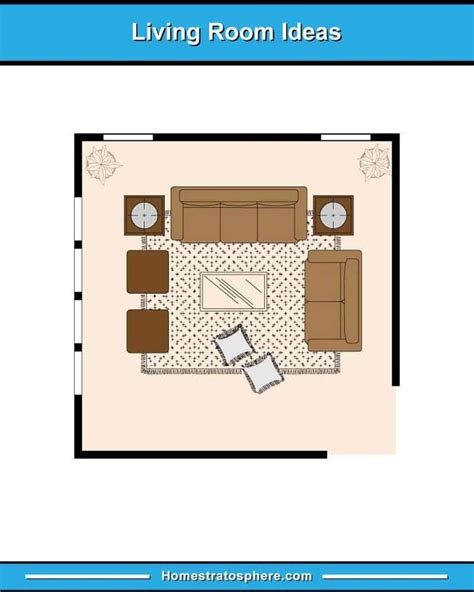
INTERIORDECOR.BIZ.ID – The living room is often considered the heart of a home, a central space for daily life, relaxation, and welcoming guests. A well-executed living room furniture layout plan is crucial for both aesthetic appeal and optimal functionality, truly embodying the essence of a ‘living’ space where life unfolds.
Effective space planning ensures comfort, promotes conversation, and enhances the overall flow of your home. By understanding core principles, you can transform any living area into an inviting and efficient environment.
Understanding Your Space and Needs
Begin your planning process by accurately measuring your living room, noting architectural features like windows, doors, and electrical outlets. Carefully consider the primary functions your living room will serve, whether it’s entertaining, family movie nights, or quiet reading.
Defining Focal Points and Traffic Flow
Every living room benefits from a clear focal point, such as a fireplace, a television, or a large window with a view. Arrange your major furniture pieces, like sofas and armchairs, to orient comfortably towards this central feature, creating a natural gathering spot.
Crucially, ensure clear and unobstructed pathways for easy movement throughout the room. Aim for at least 30-36 inches (75-90 cm) of clearance for main walkways to prevent a cramped feeling and facilitate effortless navigation.
Arranging Key Furniture Pieces Effectively
Start your arrangement with the largest items, typically your sofa or main seating arrangement, as these foundational pieces dictate the room’s overall balance and flow. Place them strategically, often against a wall or floating to define zones, depending on room size.
Next, integrate secondary seating like armchairs or loveseats, ensuring they complement the primary seating to create comfortable conversation areas. These should be close enough for interaction without blocking essential pathways or the focal point.
Incorporating Tables and Accessories
Coffee tables should be positioned within easy reach of seating, ideally 14-18 inches (35-45 cm) from the sofa, providing practical surfaces. Side tables are essential next to armchairs, offering spots for lamps, drinks, or decorative items.
Area rugs play a vital role in defining zones and adding warmth, but ensure they are appropriately sized. Ideally, all main furniture pieces should sit on the rug, or at least have their front legs resting on it, to anchor the space effectively.
Achieving Balance and Optimal Lighting
Strive for visual balance in your layout by distributing the weight and mass of furniture evenly across the room. Avoid clumping all large items on one side, which can make the space feel lopsided.
Integrate a variety of lighting sources—ambient for general illumination, task for activities like reading, and accent to highlight features. Thoughtful lighting enhances atmosphere and makes the room more functional and inviting at any time of day.
A thoughtfully designed living room furniture layout plan goes beyond mere aesthetics; it crafts a space that genuinely serves your lifestyle. By focusing on flow, function, and comfort, you create a harmonious environment perfect for both relaxation and social interaction.
Frequently Asked Questions (FAQ)
How do I start planning my living room furniture layout?
Begin by measuring your room accurately and identifying your living room’s primary functions. Next, determine a focal point (like a fireplace or TV) around which you’ll arrange your main seating.
What is a focal point in a living room layout?
A focal point is the central feature or element in a room that draws the eye and around which other furniture is arranged. This could be a fireplace, a large window, a piece of art, or an entertainment center.
How much space should be left for traffic flow in a living room?
For comfortable movement, aim for at least 30-36 inches (75-90 cm) of clear space for main pathways between furniture pieces. Smaller gaps of 18-24 inches (45-60 cm) are acceptable for secondary passages.
Should all living room furniture be placed against the wall?
Not necessarily. While some pieces naturally go against walls, floating larger furniture like sofas away from walls can define zones in larger rooms and create a more intimate, conversational setting. It depends on the room’s size and desired function.
Written by: Sarah Davis