
 ZeckRV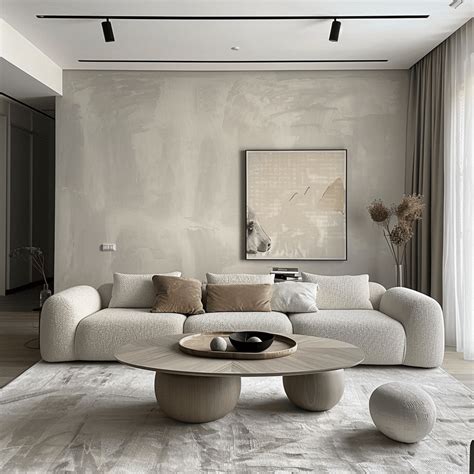
INTERIORDECOR.BIZ.ID – Embracing a minimalist aesthetic in your living room can transform your space into a serene and highly functional environment. Choosing the right living room furniture minimalist style is about more than just reducing clutter; it involves thoughtful selection of pieces that serve purpose and bring calm.
Minimalism, in interior design, emphasizes simplicity, functionality, and clean lines. It’s a philosophy that believes less is often more, creating spaces that feel open and inviting rather than crowded.
Understanding Minimalist Living Room Furniture
Minimalist furniture is characterized by its simple forms, absence of ornate decorations, and often, a neutral color palette. The goal is to create an uncluttered, peaceful atmosphere where every item serves a purpose or adds aesthetic value without overwhelming the senses.
This design approach prioritizes practicality and efficiency, ensuring that each piece of furniture contributes meaningfully to the overall functionality of the room. It encourages conscious consumption and a focus on quality over quantity, leading to a more sustainable lifestyle.
Key Principles for Minimalist Furniture Selection
To achieve a truly minimalist living room, focus on several core principles when selecting your furniture. These guidelines will help you curate a space that is both stylish and incredibly functional.
1. Embrace Essentialism: Less is More
Start by identifying only the most essential pieces required for your living room’s primary functions. Consider a comfortable sofa, a practical coffee table, and perhaps one accent chair as a solid foundation. Every item chosen should justify its presence, avoiding unnecessary additions.
2. Prioritize Functionality and Versatility
Select furniture that offers multiple uses or clever storage solutions to maximize efficiency within a smaller footprint. An ottoman with hidden storage or a sofa bed are excellent examples of versatile pieces that contribute to a minimalist space.
3. Opt for Clean Lines and Simple Forms
Minimalist furniture typically features sleek, uncluttered designs without excessive ornamentation. Straight lines, gentle curves, and unadorned surfaces contribute to a modern and calm aesthetic, making the room feel more expansive.
4. Choose a Neutral Color Palette
A serene backdrop is crucial for minimalist interiors, so opt for furniture in neutral tones like white, grey, beige, or soft pastels. These colors create a cohesive and calming visual experience, allowing textures and subtle accents to stand out.
5. Focus on Quality Over Quantity
Investing in well-crafted, durable furniture pieces means they will last longer and maintain their aesthetic appeal. High-quality items often possess an inherent beauty and timelessness that perfectly aligns with the minimalist ethos.
By adhering to these principles, you can effortlessly transform your living room into a minimalist sanctuary. This approach not only enhances visual appeal but also fosters a sense of tranquility and order in your daily life.
Frequently Asked Questions (FAQ)
What are the core benefits of minimalist living room furniture?
The core benefits include creating a more spacious and serene environment, promoting decluttering, enhancing functionality, and reducing visual stress. It also encourages investing in higher-quality, durable pieces.
How do I choose the right pieces for a minimalist living room?
Focus on essential items, prioritize functionality and versatility (e.g., storage ottomans), choose furniture with clean lines and simple forms, and stick to a neutral color palette. Quality over quantity is also key.
Can a minimalist living room still feel cozy and inviting?
Absolutely! Coziness in minimalist design comes from thoughtful texture choices, soft lighting, and personal touches like throws or cushions in complementary colors. It’s about creating warmth without clutter.
What colors work best for minimalist furniture?
Neutral colors such as white, off-white, beige, grey, and soft muted tones are ideal for minimalist furniture. These colors create a calm and cohesive foundation, allowing the space to feel open and inviting.
Written by: Sarah Davis