
 ZeckRV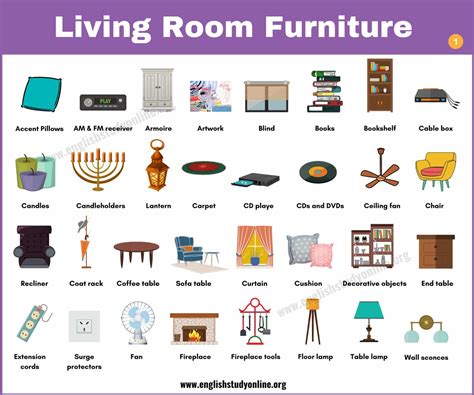
INTERIORDECOR.BIZ.ID – The living room is often the heart of a home, a central space for relaxation, entertainment, and social gatherings. Furnishing this area effectively requires understanding the purpose and names of various essential pieces, creating both comfort and style.
This guide introduces common living room furniture items, explaining their function and typical characteristics to help you curate your ideal space. While a true visual guide would include images, we’ll describe each item clearly.
Core Seating Arrangements
Seating is arguably the most critical component of any living room, defining its capacity and comfort level. From spacious sofas to individual accent chairs, these pieces form the foundation of your room’s layout.
Sofas and Couches
A sofa, often interchangeably called a couch, is a long upholstered seat with a back and arms, designed to accommodate multiple people. They come in various configurations like sectionals, loveseats, and chaise lounges, offering versatile seating solutions for different room sizes.
Sectional sofas provide modular flexibility, allowing you to arrange pieces to fit corners or create extensive seating areas. Loveseats are smaller, designed for two people, making them perfect for compact spaces or as companions to larger sofas.
Armchairs and Accent Chairs
An armchair is a single-person upholstered chair with armrests, providing comfortable individual seating. Accent chairs, while also single-seaters, are specifically chosen for their decorative appeal and ability to add a pop of color or unique style to the room.
These chairs are excellent for filling empty corners or complementing the main sofa arrangement. They offer additional seating without overwhelming the space, enhancing the room’s aesthetic balance.
Ottomans and Poufs
An ottoman is an upholstered footstool or low seat without a back or arms, often used as a footrest or extra seating. A pouf is a softer, often rounder, and less structured version, serving similar functions.
Both offer practical versatility, capable of acting as occasional tables when topped with a tray or providing a cozy spot for a pet or child.
Functional Tables and Surfaces
Tables provide crucial surfaces for drinks, decor, and personal items, anchoring seating arrangements and enhancing convenience. They are essential for both aesthetics and utility in the living room.
Coffee Tables
A coffee table is a low table placed in front of the main seating area, designed for holding beverages, books, and decorative items. It serves as a central point of interaction and often defines the seating zone.
Available in various materials and styles, coffee tables are pivotal in dictating the room’s overall aesthetic and functionality.
End Tables and Side Tables
End tables, or side tables, are smaller tables positioned at the ends of a sofa or beside armchairs. They provide a convenient surface for lamps, remote controls, and personal belongings within easy reach.
These tables are vital for practical living, ensuring comfort and accessibility for everyone seated in the room.
Storage and Display Units
Living rooms benefit immensely from furniture that combines storage with display capabilities, helping to keep the space organized and visually appealing. These units can house media, books, and decorative treasures.
TV Stands and Media Consoles
A TV stand or media console is a piece of furniture designed to hold a television and organize electronic components like cable boxes and gaming systems. Many models include shelves and drawers for hidden storage.
These units help manage clutter and consolidate entertainment systems, making the living room more functional and visually tidy.
Bookcases and Bookshelves
Bookcases or bookshelves are units with horizontal shelves for storing and displaying books, decorative objects, and personal mementos. They can range from tall, open structures to modular units.
These pieces add character and personality to a room while providing valuable vertical storage space.
Conclusion
Understanding the names and functions of common living room furniture pieces is the first step toward creating a space that is both beautiful and highly functional. By carefully selecting sofas, chairs, tables, and storage units, you can design a living room that perfectly suits your lifestyle and aesthetic preferences.
Each item plays a role in defining the room’s character and ensuring comfort for all who use it. Thoughtful furniture selection ensures your living space is truly the heart of your home.
Frequently Asked Questions (FAQ)
What is the most essential piece of furniture for a living room?
The most essential piece of furniture for a living room is typically the sofa or couch. It serves as the primary seating, dictating the room’s comfort and central layout.
What’s the difference between an ottoman and a pouf?
An ottoman is generally a more structured, often upholstered, footstool or low seat without a back or arms. A pouf is typically softer, more informal, often rounder, and less rigid, functioning similarly as a footrest or casual seating.
How do I choose the right size furniture for my living room?
To choose the right size furniture, measure your living room carefully and create a floor plan. Ensure there is enough space for comfortable movement around the furniture, avoiding pieces that overwhelm the room or appear too small for the scale.
Can I mix different furniture styles in my living room?
Yes, mixing different furniture styles can create a unique and personalized living room. The key is to find common elements like color palette, texture, or a consistent design era to tie the varied pieces together harmoniously.
What is an accent chair used for?
An accent chair is primarily used to provide additional seating while also adding a decorative element to the living room. It’s often chosen for its unique design, color, or texture to enhance the room’s aesthetic and break monotony.
Written by: David Thomas