
 ZeckRV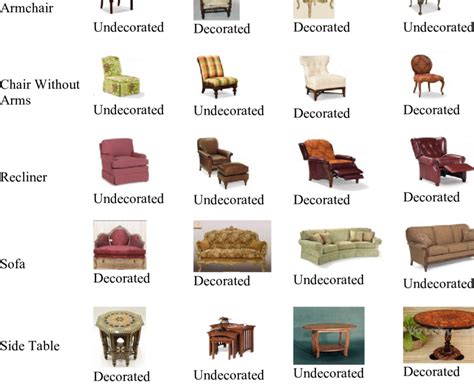
INTERIORDECOR.BIZ.ID – The living room often serves as the heart of a home, a central space for relaxation, entertainment, and social gatherings. Understanding the different living room furniture pieces names is crucial for creating a functional and aesthetically pleasing environment.
The term ‘living room’ itself signifies a space dedicated to daily life and ‘living’ experiences, reflecting its role as an area for existing, unwinding, and engaging with others. This primary function dictates the types of furniture that furnish it, designed to support comfort and interaction.
Essential Seating Options
Seating is arguably the most fundamental component of any living room, providing comfort for residents and guests alike. Key pieces include sofas, loveseats, armchairs, and versatile ottomans.
Sofas and Sectionals
A sofa, also known as a couch, is a long upholstered seat with a back and arms, designed to comfortably seat multiple people. Sectionals are multi-piece sofas that can be arranged in various configurations, typically L-shaped or U-shaped, offering flexible seating solutions for larger spaces.
Loveseats and Armchairs
A loveseat is a smaller sofa designed to seat only two people, making it ideal for compact living rooms or as a complementary piece. An armchair is a single-seater chair with armrests, providing individual comfort and often used as an accent piece.
Ottomans and Poufs
An ottoman is an upholstered footstool or bench, often used for resting feet but can also double as extra seating or a makeshift coffee table. A pouf is a smaller, often softer, and more decorative version of an ottoman, providing casual seating or a footrest.
Tables for Function and Style
Tables are indispensable for holding drinks, books, and decorative items, enhancing both the utility and visual appeal of the living room. They come in various forms, each serving a distinct purpose within the space.
Coffee Tables and End Tables
A coffee table is a low table placed in front of a sofa, perfect for holding beverages, magazines, and remote controls. End tables, or side tables, are smaller tables typically placed at the ends of a sofa or next to armchairs, providing convenient surfaces for lamps and personal items.
Console Tables
A console table is a narrow table often placed against a wall or behind a sofa, frequently used in entryways or to display decorative accents and lamps. Its slim profile makes it suitable for tight spaces while adding a touch of elegance.
Storage and Display Units
To maintain a tidy and organized living room, dedicated storage and display units are essential for housing media, books, and cherished possessions. These pieces combine practicality with opportunities for personalization.
Bookshelves and TV Stands
A bookshelf or bookcase provides shelving for organizing books, photos, and decorative objects, adding personality and intellectual charm to the room. A TV stand or entertainment center is designed to hold a television and accompanying media devices, often featuring cabinets or shelves for storage.
Lighting and Ambiance Enhancers
Beyond the main furniture pieces, lighting and other accessories play a vital role in completing the living room’s ambiance and functionality. They contribute significantly to the room’s overall feel and utility.
Floor Lamps and Area Rugs
A floor lamp stands tall and provides ambient or task lighting, adding both illumination and a decorative element to corners or reading nooks. An area rug defines distinct zones within the living room, adding warmth, texture, and a cohesive design element to the floor space.
Familiarizing yourself with these common living room furniture pieces names empowers you to make informed design choices and articulate your vision effectively. Each piece contributes to the room’s overarching purpose of comfort and communal living, creating a harmonious and inviting space.
Written by: Robert Miller