
 ZeckRV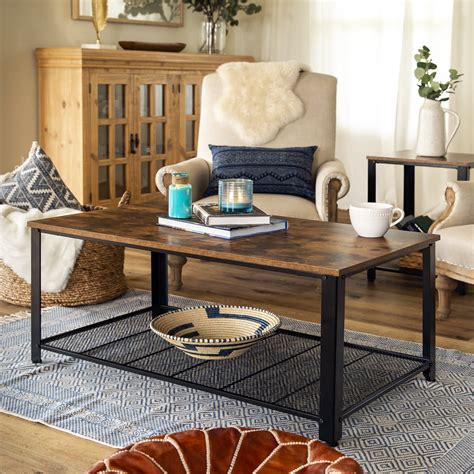
INTERIORDECOR.BIZ.ID – Living rooms are at the heart of our homes, spaces dedicated to relaxation, socializing, and daily activities. Living room furniture tables are not just decorative pieces; they are foundational elements that blend practicality with aesthetic appeal, enhancing the overall functionality and design of this vital space.
Understanding Living Room Table Types
Diverse in form and function, living room tables serve various purposes within the same area. Understanding the different types helps in making informed choices to complement your existing decor and lifestyle needs.
Coffee Tables: The Central Hub
Coffee tables typically sit in the center of a seating arrangement, offering a convenient surface for drinks, books, or decorative items. They often anchor the room, defining the flow and visual balance of the living area.
End Tables & Side Tables: Practical Companions
Positioned beside sofas or armchairs, end tables provide accessible surfaces for lamps, remotes, or personal items. These smaller tables are crucial for adding functionality and completing a cohesive seating arrangement.
Console & Sofa Tables: Behind-the-Scenes Stars
Long and narrow, console tables are commonly placed behind a sofa or against a wall, perfect for displaying art, storing essentials, or even serving as a makeshift workspace. They efficiently utilize often-overlooked spaces while adding visual interest.
Choosing Your Perfect Living Room Tables
Selecting the right tables involves more than just picking a design; it requires careful consideration of several practical and aesthetic factors. Harmony in size, material, and style ensures your tables seamlessly integrate into your living environment.
Size and Scale
Ensure your chosen tables are proportionate to your seating and the room’s dimensions, avoiding overcrowding or looking too small. A coffee table should typically be two-thirds the length of your sofa and roughly the same height as the sofa cushions.
Material Matters
From warm wood to sleek glass, industrial metal, or elegant marble, the material of your table significantly impacts the room’s ambiance. Consider durability, maintenance, and how the material harmonizes with other furniture and flooring.
Style and Harmony
Your tables should complement the overall design aesthetic of your living room, whether it’s modern, traditional, minimalist, or eclectic. Mixing styles can work if done thoughtfully, creating visual interest without clashing.
Functionality Needs
Beyond aesthetics, think about how you will use the table: do you need storage drawers, multiple tiers for display, or a sturdy surface for family games? Prioritizing functionality ensures your tables serve practical purposes effectively.
Strategic Placement for Optimal Flow
Proper placement of your living room tables is key to maintaining clear pathways and a comfortable, inviting atmosphere. Ensure there’s enough space between furniture pieces for easy movement, typically 18 inches between a sofa and coffee table.
By thoughtfully selecting and arranging your living room furniture tables, you can create a highly functional, stylish, and welcoming space. These essential pieces tie the room together, reflecting your personal style and enhancing everyday living.
Frequently Asked Questions (FAQ)
What is the ideal height for a coffee table?
A coffee table should ideally be the same height as your sofa cushions or slightly lower, generally ranging from 16 to 18 inches. This height ensures comfortable access to items and maintains visual balance with your seating.
How much space should be around a coffee table for comfortable movement?
For optimal traffic flow and comfort, leave approximately 18 inches (45 cm) between your coffee table and the surrounding seating. This provides enough legroom and allows for easy access to and from the seating area.
Can I mix different table materials in the same living room?
Yes, mixing materials like wood, glass, and metal can add visual interest and depth to your living room design. The key is to ensure there’s a unifying element, such as a consistent style, color palette, or complementary textures, to maintain cohesion.
What are nesting tables and how are they used?
Nesting tables are a set of two or more tables of varying sizes that can be tucked underneath each other, saving space. They are versatile, offering flexible surface areas for entertaining or everyday use and easily store away when not needed, making them ideal for smaller living rooms.
Written by: Sophia Martinez