
 ZeckRV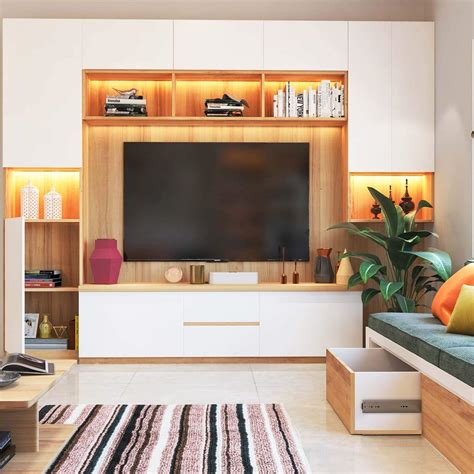
INTERIORDECOR.BIZ.ID – Integrating a television seamlessly into your living room requires thoughtful consideration of furniture and layout. The right living room furniture for your TV can transform a utilitarian device into an attractive focal point or discreet element, balancing aesthetics with optimal viewing comfort.
Choosing the perfect setup involves understanding various furniture types and how they impact your space and viewing experience. This guide will help you navigate the options, ensuring your TV area is both functional and stylish.
Selecting the Right TV Furniture
The foundation of your TV setup begins with the furniture that houses or supports it. Options range from minimalist stands to expansive entertainment centers, each offering distinct advantages.
TV stands and media consoles are versatile choices, typically featuring open shelving or closed cabinets for media devices and storage. They are excellent for smaller spaces or when you prefer the TV to be easily movable or less dominant.
Entertainment centers provide a more integrated solution, often encompassing the TV within a larger unit that offers significant storage and display space. They create a dedicated media zone and can anchor the room’s design, making the television feel like a built-in feature.
For a sleek, modern look, wall mounts are ideal as they free up floor space and allow for precise height positioning. Complement them with a floating shelf or a low credenza to store auxiliary components and manage cables effectively.
Optimal TV Placement and Viewing
Beyond furniture selection, proper placement is crucial for comfort and visual enjoyment. Ergonomics play a significant role in creating an ideal viewing environment.
The ideal viewing height places the center of the screen at eye level when you are seated comfortably. This often means the bottom third of the TV screen should be at approximately the same height as your eye line, preventing neck strain.
Consider the viewing distance, typically 1.5 to 2.5 times the TV’s screen size (diagonally measured), to ensure an immersive experience without pixelation or eye strain. Minimizing glare from windows or light fixtures is also vital; experiment with room orientation or use blackout curtains.
Harmonizing Style with Functionality
Your TV furniture should not only serve its purpose but also complement your living room’s overall aesthetic. Thoughtful design integration ensures a cohesive and inviting space.
Select materials and finishes that align with your existing decor, whether it’s rustic wood, sleek metal, or modern glass. The scale of the furniture should also be proportionate to both your TV size and the room dimensions, preventing it from overwhelming or disappearing within the space.
Effective cable management is key to maintaining a tidy and attractive setup, preventing tangled wires from detracting from your design. Utilize built-in cable holes, cable ties, or decorative boxes to conceal wiring and maintain a clean appearance.
By carefully considering furniture type, placement, and design integration, you can create a living room that perfectly balances functionality for your TV with stylish, comfortable living.
Frequently Asked Questions (FAQ)
What is the best height for a TV in the living room?
The optimal height for a TV generally places the center of the screen at eye level when you are seated comfortably. This often translates to the bottom third of the TV screen being around your eye line to prevent neck strain.
How can I hide TV cables effectively?
To hide TV cables, utilize furniture with built-in cable management holes, use cable ties or sleeves to bundle wires, or employ decorative cable covers that blend with your wall. For wall-mounted TVs, consider in-wall cable routing kits.
Should I wall-mount my TV or use a stand?
Wall-mounting saves floor space and offers a modern, minimalist look, allowing for precise height adjustment. A TV stand provides storage for media devices, can be moved more easily, and often serves as a design element itself. The choice depends on your space, aesthetic preference, and storage needs.
How do I choose TV furniture for a small living room?
For small living rooms, opt for sleek, minimalist TV stands or media consoles that don’t take up much visual space. Wall-mounting your TV is also an excellent option to free up floor area. Choose furniture with integrated storage to reduce clutter.
What’s the main difference between a TV stand and an entertainment center?
A TV stand or media console typically supports the TV and offers some storage below or beside it. An entertainment center is usually a larger, multi-component unit that often frames the TV, providing extensive storage, shelving, and a more integrated media display system.
Written by: Emma Johnson