
 ZeckRV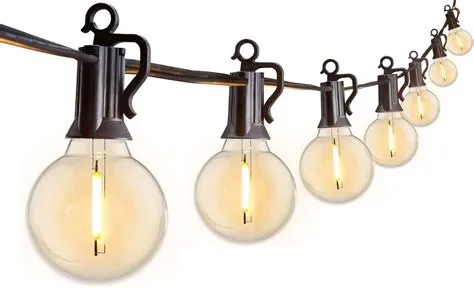
INTERIORDECOR.BIZ.ID – Decorative lights are specially designed illumination sources intended to enhance the aesthetic appeal of a space rather than solely providing functional light. These lights come in a vast array of styles, shapes, and colors, serving to create a specific mood or highlight particular features. They are integral to interior design, transforming ordinary settings into visually captivating environments.
Think of your flower arrangement making a table look really decorative; these lights do something similar for a room, but with illumination. Unlike standard overhead lights that offer general brightness, decorative lights focus on visual impact and atmosphere. They are often chosen for their unique designs and the special glow they emit.
The Purpose of Decorative Lights
The primary purpose of decorative lights is to add beauty and character to a room or outdoor area. They can be used to soften harsh lighting, create a warm and inviting ambiance, or add a festive touch for celebrations. Their presence can significantly influence the overall mood and perceived style of a space.
For instance, a plain and basic room might be enhanced by a decorative bedspread, adding visual interest and personality. Similarly, decorative lights can elevate a simple space by introducing an element of visual delight and warmth. They are a key component in achieving a desired interior or exterior design aesthetic.
Types of Decorative Lights
The market offers a wide variety of decorative lights to suit diverse tastes and needs. These include string lights, fairy lights, lanterns, neon signs, accent lamps, and chandeliers, each with its unique charm and application.
String lights, often called fairy lights or Christmas lights, are popular for their versatility. They can be draped around furniture, windows, or outdoor trees to create a magical glow. Lanterns, whether made of paper, metal, or glass, provide a soft, diffused light and can add a bohemian or traditional touch.
Accent Lamps and Specialty Lighting
Accent lamps are smaller, often stylish lamps designed to highlight specific areas or objects, such as artwork or a reading nook. They provide localized light and contribute to the overall design scheme. Specialty lighting, like neon signs, offers a bold, retro, or personalized statement.
Chandeliers, while often functional, are primarily considered decorative fixtures, commanding attention with their intricate designs and luxurious presence. Even simple bulbs can be made decorative through unique fixtures or filament styles that create visual interest when illuminated.
Where Decorative Lights Are Used
Decorative lights are found in virtually every setting imaginable, from homes and businesses to event venues and public spaces. They are essential for creating inviting living rooms, romantic dining areas, or festive party atmospheres.
In commercial spaces, they enhance branding, create welcoming storefronts, and set the mood for restaurants and hotels. Outdoor spaces also benefit greatly, with string lights illuminating patios, gardens, and pathways, extending their usability into the evening.
Creating Atmosphere and Mood
The choice of decorative lights significantly impacts the atmosphere of a space. Warm, soft lighting can create a cozy and intimate environment, perfect for relaxation. Brighter, more colorful lights can inject energy and festivity, ideal for parties and celebrations.
Consider how a room feels with different types of lighting. Harsh, direct light might feel sterile, while a collection of strategically placed decorative lights can create layers of illumination that are both functional and aesthetically pleasing.
Enhancing Decor and Design
Decorative lights are not just about light; they are an integral part of the decor itself. Unique fixtures and light patterns can complement or contrast with existing design elements, adding depth and visual interest.
They can highlight architectural features, draw attention to artwork, or simply serve as a beautiful design element on their own. The visual appeal of the light source itself, when turned off, also contributes to the room’s overall aesthetic.
Beyond Basic Illumination
In essence, decorative lights are a creative tool that allows individuals to express their style and enhance their living or working environments. They transform the ordinary into the extraordinary, offering a simple yet powerful way to elevate any space.
From subtle ambient glow to bold statement pieces, decorative lights offer endless possibilities for personalization and beautification. They serve as a testament to the fact that lighting can be both functional and a form of art.
Frequently Asked Questions About Decorative Lights
What is the main difference between functional and decorative lights?
Functional lights are primarily designed to provide adequate illumination for tasks or general visibility, whereas decorative lights are chosen for their aesthetic appeal and ability to create a specific mood or atmosphere.
Are decorative lights energy-efficient?
Many decorative lights now utilize energy-efficient LED technology, making them a more sustainable choice. However, energy consumption can vary widely depending on the type and number of bulbs used.
Can decorative lights be used outdoors?
Yes, many types of decorative lights, such as weatherproof string lights and lanterns, are designed for outdoor use to enhance patios, gardens, and other exterior spaces.
How do I choose the right decorative lights for my space?
Consider the existing decor, the desired mood, and the specific area you want to illuminate. Experiment with different styles and colors to see what best complements your space.
What are some popular types of decorative lights?
Popular options include string lights (fairy lights), lanterns, neon signs, accent lamps, and chandeliers, each offering unique decorative qualities.
Written by: Sophia Martinez