
 ZeckRV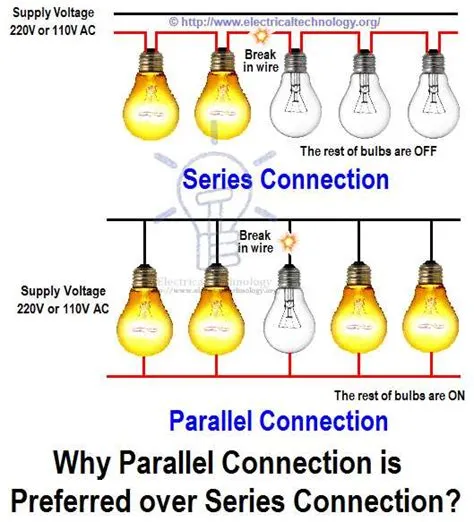
INTERIORDECOR.BIZ.ID – Decorative lights add a touch of magic to any space, transforming a plain room into something festive and inviting. The way these lights are wired, either in series or parallel, significantly impacts their performance and how they function. Understanding these fundamental electrical concepts is key to troubleshooting and even installing your own decorative lighting setups.
Think of a flower arrangement making a table look really decorative. Similarly, decorative lights enhance the ambiance, but their internal wiring determines their overall behavior. Just as a plain room benefits from a decorative bedspread, a well-wired set of lights can elevate a simple setting.
What is a Series Connection?
In a series connection, components are linked end-to-end, forming a single path for the electrical current to flow. This means the electricity must pass through each bulb in sequence to complete the circuit. It’s much like a single-lane road where all traffic must follow the same route.
If one bulb in a series circuit burns out or is removed, the entire circuit is broken. The single path is interrupted, and consequently, all the lights in the string will go out. This is a common frustration with older strings of Christmas lights.
Analogy for Series Circuits
Imagine a train with several carriages connected one after another. If one carriage is detached, the entire train comes to a halt. This is precisely how a series circuit operates; a break anywhere stops the flow entirely.
Another analogy is a set of dominoes lined up. When the first domino falls, it knocks over the next, and so on, until the last one. If one domino is missing, the chain reaction stops before reaching the end.
What is a Parallel Connection?
In a parallel connection, components are connected across each other, creating multiple paths for the electrical current. Each bulb has its own independent path back to the power source. This provides redundancy and allows for more robust operation.
If one bulb in a parallel circuit fails, the other bulbs will remain illuminated. The current can simply bypass the broken bulb and continue flowing through the alternative paths. This is a significant advantage for reliability.
Analogy for Parallel Circuits
Consider a multi-lane highway. If one lane is closed due to construction, traffic can still flow through the other lanes. This is similar to how a parallel circuit allows electricity to flow even if one path is blocked.
Think of water flowing through several parallel pipes. If one pipe gets clogged, water can still flow through the other unblocked pipes, ensuring the system continues to function.
Key Differences and Applications
The primary difference lies in the current path. Series circuits have one path, while parallel circuits have multiple paths. This distinction affects voltage distribution and current flow. In a series circuit, the voltage from the source is divided among the components, and the current is the same through all of them.
In contrast, in a parallel circuit, the voltage across each component is the same as the source voltage, but the current is divided among the branches. This is why bulbs in parallel might appear brighter than in series if they are the same type.
Decorative Lights and Their Wiring
Many decorative lights, especially older or simpler string lights, are wired in series. This is often due to simpler wiring requirements and lower manufacturing costs for basic designs. However, this also means a single faulty bulb can cause the entire string to fail.
Modern and more sophisticated decorative lighting systems, particularly those with individual LED control or designed for resilience, often utilize parallel or a combination of series-parallel wiring. This ensures that if one light fails, the rest continue to shine, providing a more reliable and aesthetically pleasing display.
Troubleshooting Common Issues
If your decorative lights suddenly go out, it’s often the result of a faulty bulb in a series connection. The first step is to carefully inspect each bulb, looking for any that appear darkened, cracked, or loose. Replacing a single burnt-out bulb can often restore the entire string.
For parallel circuits, a single bulb failure is less likely to affect others. If an entire string in a parallel setup fails, the issue might be with the power source, the wiring connections, or a main fuse. Always ensure the power is disconnected before attempting any repairs.
Conclusion
Understanding whether your decorative lights are connected in series or parallel is crucial for effective installation and troubleshooting. While series circuits are simpler, parallel circuits offer greater reliability and longevity for your illuminated displays.
By grasping these fundamental electrical principles, you can better appreciate the technology behind your festive illuminations and tackle any issues that may arise, ensuring your decorative lights continue to enhance your space.
Frequently Asked Questions (FAQ)
Why do all my old Christmas lights go out when one bulb burns out?
This happens because old Christmas lights are typically wired in series. The electricity must flow through each bulb in a single path, so if one bulb is broken or removed, the circuit is broken, and all the lights turn off.
How can I tell if my lights are wired in series or parallel?
A common indicator for series lights is that if one bulb fails, the whole string goes out. For parallel lights, one bulb failing usually doesn’t affect the others. Modern LED lights often use parallel wiring for better durability.
Is it better to connect decorative lights in series or parallel?
For most decorative purposes, parallel connections are generally better because they are more reliable. If one light burns out, the rest stay on, unlike series circuits where one failure takes down the entire string.
Can I mix series and parallel connections in a lighting project?
Yes, it’s possible to create hybrid circuits that combine series and parallel connections. This is often done to manage voltage and current across larger lighting installations while maintaining some redundancy.
What are the benefits of parallel wiring for decorative lights?
The main benefit is resilience. If one bulb or section of the circuit fails, the remaining lights continue to function. This makes them more practical and less frustrating to maintain than series-wired lights.
Written by: Emily Taylor