
 ZeckRV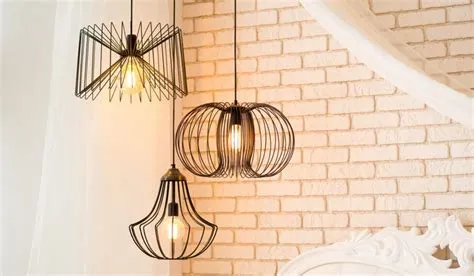
INTERIORDECOR.BIZ.ID – Decorative lights design is an art form that transforms ordinary spaces into captivating environments. These lighting elements go beyond mere functionality, serving as crucial components of interior aesthetics. Much like a flower arrangement can make a table look truly decorative, thoughtfully chosen lights can elevate the mood and style of any room. They add warmth, character, and a touch of magic, turning a plain room into a statement piece.
Unlike basic lighting meant solely for visibility, decorative lights are chosen for their visual appeal and the ambiance they create. Think of them as the jewelry for your home, adding sparkle and personality. They can be the focal point of a design or a subtle enhancement that ties everything together. The impact of well-placed decorative lighting can be profound, affecting how we feel and interact within a space.
The Role of Decorative Lighting in Interior Design
Decorative lighting plays a pivotal role in shaping the perception and atmosphere of a room. It’s about more than just brightness; it’s about casting shadows, highlighting features, and creating a desired mood. A well-designed lighting scheme can make a room feel larger, cozier, more inviting, or even more dramatic, depending on the choices made.
Consider how a simple string of fairy lights can transform a plain bedroom into a whimsical retreat, much like a decorative bedspread can add personality to a basic room. The intention behind decorative lights is to add an element of beauty and interest that basic fixtures simply cannot provide. They are an integral part of the overall design narrative.
Types of Decorative Lights
The world of decorative lights offers a vast array of options to suit every taste and design need. From intricate chandeliers to minimalist LED strips, the choices are virtually endless. Understanding these types is the first step in harnessing their decorative power.
String Lights: Often referred to as fairy lights or bistro lights, these are flexible and can be draped, hung, or wrapped around various objects. They are excellent for creating a cozy, festive, or romantic ambiance, perfect for outdoor patios or indoor accent lighting.
Chandeliers: These are statement pieces, typically hung from the ceiling, known for their grandeur and intricate designs. Chandeliers can add a touch of elegance and luxury to dining rooms, living rooms, or entryways.
Pendant Lights: Similar to chandeliers but generally smaller and more focused, pendant lights hang from a single cord or chain. They are versatile and can be used as task lighting or decorative accents above kitchen islands, dining tables, or in bedrooms.
Wall Sconces: Mounted on walls, sconces provide ambient or accent lighting and can add significant decorative flair. They come in a wide range of styles, from classic to contemporary, and are great for hallways, bedrooms, or flanking mirrors.
Table and Floor Lamps: While functional, lamps are also key decorative elements. Their shades, bases, and the quality of light they emit contribute significantly to a room’s atmosphere and style.
Factors to Consider in Decorative Lights Design
When selecting decorative lights, several factors come into play to ensure they enhance, rather than detract from, your space. The goal is to create a harmonious and aesthetically pleasing lighting scheme.
Style and Aesthetics: The lights should complement the existing decor of the room. A modern space might benefit from sleek, minimalist fixtures, while a traditional room could be enhanced by ornate designs.
Placement and Scale: Where you place the lights and their size relative to the room are crucial. A tiny chandelier in a large room will look out of place, just as oversized lighting can overwhelm a small space.
Light Quality and Color Temperature: Decorative lights can emit warm, cool, or colored light. Warm light is generally more inviting and cozy, while cool light is more energizing and crisp. The color temperature significantly impacts the mood.
Energy Efficiency: Opting for LED or other energy-efficient bulbs not only saves on electricity bills but also offers longer lifespan, reducing the need for frequent replacements.
Creating Ambiance with Light
The true power of decorative lights lies in their ability to craft specific moods and ambiances. Think about the feeling you want to evoke in a particular space.
For a cozy and intimate setting, consider warm-toned string lights or dimmable floor lamps. These cast a soft glow that makes a room feel more welcoming and relaxed, similar to how a well-arranged decorative item can make a table feel more inviting.
For a more dramatic or sophisticated feel, strategically placed spotlights or statement pendant lights can draw attention to architectural features or artwork. The interplay of light and shadow is a powerful tool in decorative lighting design.
Ultimately, decorative lights design is about more than just illumination; it’s about art, emotion, and creating spaces that are both beautiful and functional. By carefully selecting and placing the right fixtures, you can transform any room into a visually stunning and inviting haven.
Frequently Asked Questions (FAQ)
- What is the primary purpose of decorative lights?
- The primary purpose of decorative lights is to enhance the aesthetic appeal and ambiance of a space, going beyond basic functional illumination.
- How can decorative lights affect the mood of a room?
- Decorative lights can significantly affect mood through their color temperature, intensity, and placement. Warm, dim lighting creates a cozy atmosphere, while brighter, cooler lights can be more energizing.
- Are pendant lights considered decorative lighting?
- Yes, pendant lights are often used as decorative lighting elements, particularly when chosen for their style and to create a visual focal point above a specific area.
- What are some popular types of decorative lights for homes?
- Popular types include string lights (fairy lights, bistro lights), chandeliers, pendant lights, wall sconces, and decorative table and floor lamps.
- How do I choose the right decorative lights for my room?
- Consider the room’s existing decor, the desired mood, the scale of the space, and the light quality you wish to achieve. Ensure the style of the lights complements the overall design.
Written by: Sophia Martinez