
 ZeckRV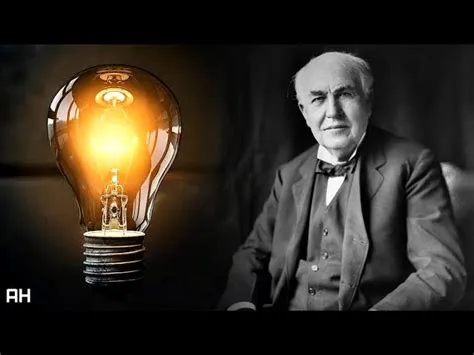
INTERIORDECOR.BIZ.ID – The invention of the incandescent light bulb fundamentally altered the course of American history, extending the day and transforming society. Before its widespread adoption, life was dictated by the sun’s cycle, with evenings shrouded in darkness or illuminated by less efficient and often dangerous methods. This innovation ushered in an era of unprecedented productivity and new social possibilities.
Light, as a primary tool for perceiving and interacting with the world, has always been crucial. The sun’s light warms Earth, drives weather, and initiates life-sustaining processes, but human endeavors required more localized and controllable illumination. The desire to conquer the night spurred numerous inventors, but it was Thomas Edison’s persistent efforts that led to a commercially viable electric light bulb.
Early Illumination Challenges
Life in the 19th century largely revolved around natural daylight. Homes and businesses relied on candles, oil lamps, and gaslights for evening illumination. These methods were often dim, smoky, and posed significant fire risks, limiting activities after sunset. The potential for safer, brighter, and more accessible light was a powerful motivator for innovation.
Gas lighting, while an improvement over earlier methods, required extensive infrastructure and carried inherent dangers due to the flammability of gas. The quest for an electric alternative promised greater safety and flexibility in its application, untethered by the need for gas mains.
Edison and the Path to the Incandescent Bulb
Thomas Edison’s name is synonymous with the electric light bulb, though many others contributed to its development. Edison’s genius lay in his systematic approach to problem-solving and his ability to integrate various components into a functional system. He famously tested thousands of materials for the filament, seeking one that would glow brightly for an extended period without burning out too quickly.
After countless experiments, Edison and his team found success with a carbonized bamboo filament. This breakthrough, combined with improvements in vacuum technology within the bulb, allowed for a practical and long-lasting incandescent light source. It was not just the bulb itself but the entire system, including power generation and distribution, that Edison focused on creating.
The Impact on American Life
The widespread adoption of the electric light bulb, beginning in the late 19th century, had profound societal implications. Factories could operate around the clock, dramatically increasing production and driving industrial growth. This extended operational capacity led to more jobs and shifted the nature of work for many Americans.
Beyond industry, electric lighting transformed urban landscapes and domestic life. Streets became safer and more inviting after dark, encouraging greater social interaction and commerce. Homes were no longer confined to the limited hours of daylight, allowing for more leisure time, reading, and education in the evenings.
Transforming Industries
The ability to illuminate workplaces consistently and reliably revolutionized manufacturing. Industries like steel production, textiles, and heavy machinery, which previously faced significant limitations due to darkness, could now operate at peak efficiency. This surge in productivity was a key factor in America’s rise as an industrial superpower.
New industries also emerged, catering to the growing demand for electrical infrastructure and appliances. The manufacturing of light bulbs, power plants, and wiring became significant economic sectors, creating jobs and fostering technological advancement.
Reshaping Society and Culture
The cultural impact of electric light was equally significant. Public spaces like theaters, restaurants, and lecture halls could host evening events, fostering a more vibrant nightlife and expanding cultural opportunities. The simple act of being able to read a book or pursue a hobby after sunset democratized knowledge and leisure.
The electric light bulb also played a role in urban development, encouraging vertical expansion and the creation of illuminated city centers that symbolized modernity and progress. It fundamentally changed the rhythm of daily life, blurring the lines between day and night.
The Legacy of Illumination
The incandescent light bulb, a seemingly simple invention, stands as a monumental achievement in American history. It not only provided light but also fueled economic growth, reshaped social structures, and illuminated new possibilities for human endeavor. Its legacy continues to influence how we live, work, and interact with our environment.
From extending the workday to illuminating the paths of urban explorers, the electric light bulb’s impact is undeniable. It represents a critical step in humanity’s ongoing quest to harness technology for progress and convenience, a testament to the power of innovation to transform the world.
The journey from dim gaslights to the consistent glow of Edison’s bulb underscores a critical theme in US history: the drive to overcome natural limitations through ingenuity and persistent effort. This spirit of innovation continues to shape technological advancements today.
Ultimately, the light bulb’s definition in US history is not just about watts and filaments but about unlocking human potential and reshaping the very fabric of daily life. It symbolizes the dawn of a new, brighter era, powered by human creativity and a desire for progress.
FAQ Section
Question: Who is most credited with inventing the practical incandescent light bulb?
Answer: While many inventors contributed to the development of electric lighting, Thomas Edison is most credited with inventing the first commercially practical incandescent light bulb in 1879.
Question: What were the primary challenges in inventing a practical light bulb?
Answer: Key challenges included finding a durable filament material that would glow brightly without quickly burning out and developing a vacuum inside the bulb to prevent the filament from oxidizing.
Question: How did the invention of the light bulb impact American industry?
Answer: The light bulb allowed factories to operate 24/7, significantly increasing production, driving industrial growth, and leading to increased employment opportunities.
Question: What were some of the social changes brought about by electric lighting?
Answer: Electric lighting made streets safer, extended social and recreational activities into the evening, and transformed home life by allowing for more activities after dark, such as reading and education.
Question: Besides Edison, were there other notable figures in early electric lighting?
Answer: Yes, inventors like Joseph Swan in Britain developed a working incandescent bulb around the same time as Edison, and Humphry Davy demonstrated early electric arc lighting decades prior.
Written by: Isabella Lewis