
 ZeckRV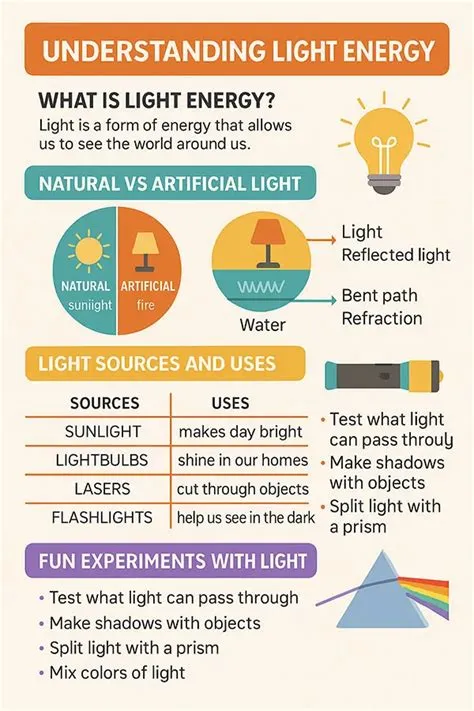
INTERIORDECOR.BIZ.ID – Light, a fundamental aspect of our perception and interaction with the world, is intimately connected to electricity. This relationship is not merely coincidental but rooted in the very physics that governs our universe. Understanding the definition of electricity and how it relates to light unlocks a deeper appreciation for the phenomena we experience daily.
At its core, electricity involves the flow of electric charge, typically electrons. These charged particles can move through conductive materials, creating what we call an electric current. This movement is the basis for many modern technologies and underlies the production and behavior of light.
What is Electricity? A Basic Definition
Electricity can be defined as a form of energy associated with the presence and flow of electric charge. This charge can be positive or negative, carried by particles like protons and electrons, respectively. When these charges are stationary, they create an electric field; when they move, they generate an electric current and a magnetic field.
Think of electricity like water flowing through pipes. The water molecules are analogous to electrons, and the pipes represent conductive materials like copper wires. The pressure that pushes the water is similar to the voltage that drives the electric charge.
The Electromagnetic Spectrum and Light
Light itself is a form of electromagnetic radiation. This means it is composed of oscillating electric and magnetic fields that travel through space as waves. These waves carry energy and propagate at the speed of light, which is a universal constant.
The electromagnetic spectrum is a broad range of these waves, categorized by their frequency and wavelength. Radio waves, microwaves, infrared radiation, visible light, ultraviolet radiation, X-rays, and gamma rays all fall within this spectrum.
Visible Light: A Small Slice of the Spectrum
Visible light, the portion of the electromagnetic spectrum that our eyes can detect, is what allows us to see. It is generated when charged particles, typically electrons within atoms, are excited to higher energy levels and then release that energy as photons when they return to lower levels.
The specific colors we perceive, from red to violet, correspond to different wavelengths and frequencies within this visible light range. For example, red light has a longer wavelength and lower frequency than violet light.
How Electricity Generates Light
Many common light sources rely on electrical principles for their operation. Incandescent light bulbs, for instance, work by passing an electric current through a thin filament, heating it to such a high temperature that it glows and emits light.
Fluorescent and LED (Light Emitting Diode) lights are more energy-efficient examples. Fluorescent bulbs use electricity to excite mercury vapor, which then emits ultraviolet light that is converted into visible light by a phosphor coating. LEDs use semiconductors that emit light when an electric current passes through them.
The Sun: A Natural Source of Light and Energy
The Sun is our primary source of light and energy, and its processes are fundamentally electrical and nuclear. Within the Sun’s core, nuclear fusion reactions generate immense amounts of energy. This energy travels outwards and causes charged particles to move, ultimately producing electromagnetic radiation across the spectrum, including the visible light that reaches Earth.
As the provided context mentions, light from the Sun warms the Earth, drives global weather patterns, and initiates life-sustaining processes. This underscores the profound impact of this electrically-driven phenomenon.
The Interplay of Electric and Magnetic Fields
The behavior of light is a testament to the interconnectedness of electricity and magnetism, as described by James Clerk Maxwell’s equations. A changing electric field can induce a magnetic field, and a changing magnetic field can induce an electric field, allowing electromagnetic waves like light to propagate through space.
This dynamic interplay is crucial for understanding how light travels, interacts with matter, and how it can be generated and manipulated through electrical means. It’s a fundamental concept in electromagnetism.
Light as a Form of Energy
Both light and electricity are forms of energy that can be converted into one another. For instance, solar panels convert light energy into electrical energy through the photovoltaic effect. Conversely, electrical energy can be converted into light energy in light bulbs and lasers.
This energy conversion is a cornerstone of modern technology, enabling everything from renewable energy generation to sophisticated lighting systems. The ability to harness and transform these energy forms is a key aspect of scientific and technological advancement.
Key Takeaways: Light and Electricity
- Electricity is the flow of electric charge.
- Light is a form of electromagnetic radiation, composed of oscillating electric and magnetic fields.
- Visible light is the portion of the electromagnetic spectrum detectable by the human eye.
- Many artificial light sources convert electrical energy into light.
- The Sun generates light through nuclear fusion, a process involving charged particles and energy release.
- Light and electricity are interconnected forms of energy that can be converted between each other.
In conclusion, the definition of electricity and the nature of light are deeply intertwined. Understanding this fundamental relationship not only demystifies how we see the world but also explains the principles behind many essential technologies that shape our lives.
Written by: Sarah Davis