
 ZeckRV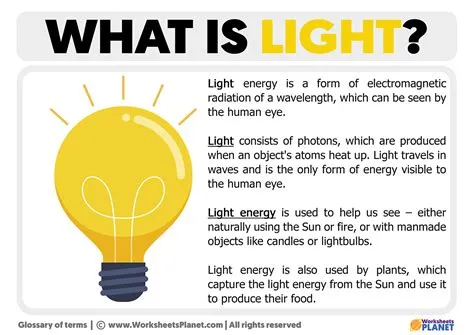
INTERIORDECOR.BIZ.ID – Light is something we see and feel every day, but what exactly is it? Light is a form of energy that travels very, very fast, allowing us to see the world around us. Think of it like tiny invisible waves or particles that zip through space.
From the moment the sun rises, light fills our world, making everything visible. It’s not just about seeing; light also plays a crucial role in many natural processes. The sun’s light, for instance, warms our planet and helps plants grow.
Seeing the World with Light
Imagine trying to find your toys in a dark room. It’s impossible, right? That’s because light is needed for our eyes to work. When light bounces off objects, it travels to our eyes, and our brain tells us what we’re seeing.
This bouncing of light is called reflection. It’s like a ball bouncing off a wall. The light hits an object, and then it bounces off in a different direction towards your eyes.
How Light Travels
Light always travels in a straight line, like a laser beam. This straight path is called a ray. If you’ve ever seen sunbeams shining through a window, you’re seeing light rays traveling in a straight line.
However, sometimes light can bend or change direction. This happens when light passes from one material to another, like from air into water. This bending is called refraction.
Types of Light Sources
There are two main ways we get light: natural sources and artificial sources. Natural light comes from things in nature, while artificial light is made by humans.
The most important natural light source is the Sun. It gives us light and heat, which are essential for life on Earth. Other natural sources include stars and lightning.
Artificial Light Sources
Artificial light sources are things humans create to make light. This includes light bulbs in our homes, flashlights, and even the screens on our phones and computers.
These sources convert other forms of energy, like electricity, into light energy. This allows us to have light even when the sun isn’t shining.
Colors and Light
Have you ever wondered why things have different colors? Light is the reason! White light, like sunlight, is actually made up of all the colors of the rainbow mixed together. We can see these colors when light passes through a prism, which splits the white light up.
When light hits an object, the object absorbs some colors and reflects others. The color we see is the color that is reflected back to our eyes. For example, a red apple appears red because it reflects red light and absorbs the other colors.
Light’s Importance Beyond Sight
As the initial context mentioned, light does more than just let us see. Light from the Sun is a major energy source that warms our planet. This warmth influences weather patterns and helps maintain a temperature suitable for life.
Light is also critical for photosynthesis, the process plants use to make their own food. Without sunlight, plants couldn’t grow, and this would affect the entire food chain.
Fun Facts About Light
- Light travels incredibly fast – about 186,282 miles per second!
- Darkness is simply the absence of light.
- Rainbows appear when sunlight shines through water droplets in the air.
So, the next time you see light, remember all the amazing things it does. It helps us explore, learn, and live!
Light is a fundamental part of our universe, from the smallest particle to the grandest star. Understanding light helps us understand how our world works. It’s a continuous wave of energy that shapes our reality.
Whether it’s the gentle glow of dawn or the bright midday sun, light is a constant and powerful force. It illuminates our path and fuels the processes that keep our planet alive and thriving.
Frequently Asked Questions About Light
What is light?
Light is a form of energy that allows us to see and travels very quickly. It’s like tiny waves or particles moving through space.
Why can’t we see in the dark?
We can’t see in the dark because there is no light for our eyes to detect. Light needs to bounce off objects and reach our eyes for us to see them.
Where does light come from?
Light comes from natural sources like the Sun and stars, or from artificial sources created by humans, such as light bulbs and LEDs.
How do we see colors?
We see colors because objects reflect certain colors of light while absorbing others. The color we see is the light that bounces back to our eyes.
Is light important for plants?
Yes, light is very important for plants! They use sunlight for photosynthesis, which is how they make their food and grow.
Written by: James Wilson