
 ZeckRV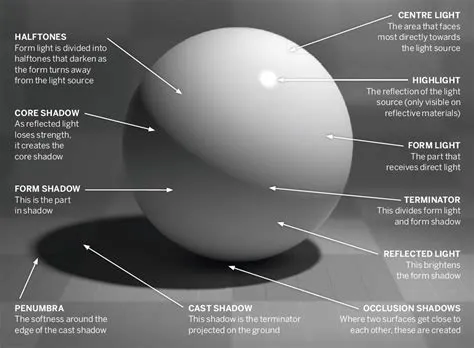
INTERIORDECOR.BIZ.ID – Light is a fundamental element, not only for how we perceive the world around us but also as a crucial component in artistic creation. Just as sunlight warms the Earth and initiates life-sustaining processes, light in art guides the viewer’s eye and conveys emotion.
In artistic contexts, the definition of light extends beyond its mere physical presence. It encompasses how an artist manipulates illumination to define form, create mood, and establish spatial relationships within a composition. Understanding this artistic use of light is key to appreciating visual works deeply.
The Nature of Light in Art
Historically, artists have been fascinated by light and its effects. From early cave paintings to contemporary digital art, the way light is depicted has evolved significantly. The interplay of light and shadow, known as chiaroscuro, is a powerful technique artists employ to create depth and drama.
Consider the Dutch Masters like Rembrandt, who masterfully used focused light to highlight the emotional intensity of his subjects. This deliberate use of light draws the viewer’s attention to specific areas, creating a focal point and enhancing the narrative of the artwork.
Defining Light: Beyond the Physical
While scientifically light is electromagnetic radiation, in art, its definition is more about its visual impact. It’s about the artist’s choices in representing light sources, the quality of light (hard or soft), its color temperature, and its directionality.
These characteristics are not merely decorative; they actively contribute to the overall meaning and feeling of a piece. A harsh, stark light might evoke a sense of unease or harsh reality, while soft, diffused light can suggest serenity and peace.
Techniques for Using Light in Art
Artists utilize various techniques to harness the power of light. Painting and drawing rely on the application of pigments and tonal variations to simulate light and shadow. Sculptors play with how light falls on three-dimensional forms, creating highlights and subtle transitions.
Photography and digital art have their own distinct methods, controlling exposure, aperture, and post-processing to shape the perceived light within an image. Each medium offers unique possibilities for manipulating illumination.
Key Aspects of Light in Visual Arts
- Value: The lightness or darkness of a color, directly influenced by light.
- Contrast: The difference between light and dark areas, used to create emphasis and drama.
- Highlight: The brightest area on an object, where light strikes most directly.
- Shadow: Areas where light is blocked, creating depth and form.
- Color Temperature: The perceived warmth (yellows, reds) or coolness (blues, purples) of light.
Understanding these aspects allows viewers to deconstruct an artwork and appreciate the artist’s intent more fully. For instance, a strong contrast can make a subject appear more solid and prominent.
The Role of Light in Composition
Light acts as a powerful compositional tool, guiding the viewer’s eye through the artwork. Artists strategically place light and shadow to create pathways and direct attention to the most important elements of the scene.
Think of a spotlight on a stage; in art, light can function similarly, isolating a subject or highlighting a particular moment. This intentional direction of gaze is critical for storytelling and emotional impact.
Mood and Atmosphere
The quality and quantity of light significantly influence the mood or atmosphere of an artwork. A dimly lit scene might convey mystery or melancholy, whereas a brightly illuminated scene could suggest joy or clarity.
The emotional resonance of a painting or photograph is often directly tied to how the artist has chosen to depict light. It transforms a static image into an immersive experience for the viewer.
Light as a Symbol and Narrative Device
Beyond its visual properties, light often carries symbolic meaning in art. Light can represent knowledge, divinity, hope, or purity, while darkness can symbolize ignorance, evil, or despair.
Artists leverage these associations to add layers of meaning to their work, allowing for more complex interpretations. This symbolic usage transforms the depiction of light into a narrative element.
Impressionism and the Study of Light
The Impressionist movement, for example, was deeply concerned with capturing the fleeting effects of natural light. Artists like Monet sought to depict how light changed the appearance of objects at different times of day and under various atmospheric conditions.
Their focus on the subjective experience of light revolutionized painting, emphasizing momentary perceptions over precise representation. This movement truly celebrated the transient nature of light.
Conclusion
In conclusion, the definition of light in art is multifaceted, encompassing its physical properties, its technical manipulation, and its symbolic significance. Artists use light as a primary tool to shape perception, evoke emotion, and tell stories.
By understanding how artists employ light and shadow, viewers gain a richer appreciation for the complexities and beauty within visual masterpieces. It is a testament to light’s enduring power as both a natural phenomenon and an artistic medium.
FAQ Section
Question: What is chiaroscuro in art?
Answer: Chiaroscuro is an artistic technique that uses strong contrasts between light and dark, usually bold contrasts affecting a whole composition. It is used to create a sense of volume, drama, and three-dimensionality.
Question: How does light affect the mood of an artwork?
Answer: The quality, direction, and intensity of light can drastically alter the mood. Bright, even lighting often creates a cheerful or calm atmosphere, while dramatic shadows and stark contrasts can evoke mystery, tension, or melancholy.
Question: Why is value important in representing light in art?
Answer: Value, the lightness or darkness of a tone or color, is crucial because it directly simulates how light falls on an object and where shadows are cast. Artists use a range of values to build form and create the illusion of light.
Question: Can light be symbolic in art?
Answer: Yes, light frequently carries symbolic meanings. It can represent knowledge, hope, divinity, truth, or purity, while darkness often symbolizes ignorance, evil, or the unknown, adding deeper layers to the artwork’s interpretation.
Question: What was the Impressionists’ approach to light?
Answer: Impressionist artists focused on capturing the ephemeral effects of natural light and color as they appeared at a specific moment. They were interested in how light changed the perception of objects and the atmosphere, often painting outdoors (en plein air) to observe these effects directly.
Written by: Sophia Martinez