
 ZeckRV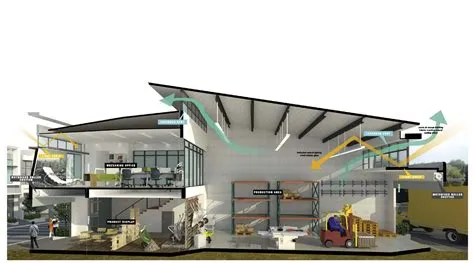
INTERIORDECOR.BIZ.ID – Light manufacturing zoning is a crucial concept in urban planning, guiding where specific types of industrial activities can legally operate. It defines a category of businesses that generally produce less pollution and noise compared to heavy industrial operations. Understanding this definition helps businesses find suitable locations and communities maintain desired environmental standards.
The core of light manufacturing zoning lies in its distinction from other industrial classifications. While heavy manufacturing might involve large-scale production with significant environmental impact, light manufacturing typically focuses on smaller-scale operations with minimal external effects. This distinction is fundamental for city planners and business owners alike.
What Constitutes Light Manufacturing?
Light manufacturing generally refers to industries that assemble, process, or fabricate goods using moderate amounts of labor and machinery. These operations typically do not involve extremely hazardous materials or create excessive noise, vibrations, or air pollution. Think of businesses that produce electronics, small appliances, or specialized components.
Examples are abundant and varied, showcasing the diverse nature of light manufacturing. Companies assembling computer hardware, printing services, and the production of pharmaceuticals often fall under this zoning. Even businesses involved in crafting custom furniture or creating specialized textiles might qualify.
Key Characteristics of Light Manufacturing
Several key characteristics help define light manufacturing zoning. These include the scale of operations, the types of processes used, and the potential for environmental impact. Planners use these criteria to ensure that such businesses integrate harmoniously with surrounding areas.
- Low Environmental Impact: Typically generate minimal air, water, or noise pollution.
- Moderate Energy Consumption: Use less energy compared to heavy industries.
- Smaller Footprint: Often occupy less extensive facilities.
- Assembly & Processing Focused: Primarily involve assembly, finishing, or processing of goods.
- Limited Hazardous Materials: Generally do not store or use large quantities of highly toxic substances.
Distinguishing from Other Zoning Categories
It is essential to differentiate light manufacturing from heavy manufacturing and other commercial zoning. Heavy manufacturing often involves large-scale resource extraction, smelting, or chemical production, which inherently carry higher environmental risks and require more extensive buffering from residential areas.
Commercial zoning, on the other hand, typically permits retail, office, and service-oriented businesses. These zones are designed for public interaction and customer-facing activities, whereas light manufacturing zones are geared towards production and operational activities, though some may allow limited showrooms.
Impact on Community and Environment
Light manufacturing zoning aims to foster economic development while protecting community well-being and the environment. By directing these businesses to appropriate zones, cities can ensure they contribute positively without disrupting residential neighborhoods or sensitive ecological areas.
The controlled nature of light manufacturing means it can often be located closer to commercial or even mixed-use areas. This proximity can create convenient employment opportunities for local residents and support ancillary businesses, fostering a vibrant local economy.
The Role of Light in Manufacturing
The term “light” in light manufacturing also alludes to less intensive operational requirements, including energy and potentially lighting needs, though this is not the primary definition. Just as light from the Sun warms the Earth and drives weather patterns, specialized lighting within a manufacturing facility is crucial for precision tasks and worker safety.
While the fundamental definition revolves around the impact and scale of operations, efficient lighting systems are a component of modern, sustainable light manufacturing. Optimizing energy use, including lighting, aligns with the overall goal of minimizing the environmental footprint of these industries.
Regulatory Considerations
Local governments establish specific regulations for light manufacturing zoning, which can vary significantly by municipality. These regulations often dictate building size, operational hours, types of machinery permitted, and emission standards.
Businesses seeking to operate within a light manufacturing zone must thoroughly research and comply with these local ordinances. This ensures legal operation and promotes positive relationships with the surrounding community and regulatory bodies.
Benefits of Well-Defined Light Manufacturing Zones
Clearly defined light manufacturing zones offer numerous benefits to both businesses and communities. They provide predictability for developers and investors, attracting businesses that align with a community’s economic development goals.
Furthermore, these zones help maintain property values by preventing the encroachment of highly disruptive industrial activities into residential or commercial areas. This careful separation contributes to a higher quality of life for residents.
Future Trends in Light Manufacturing Zoning
As urban environments evolve and technology advances, so too will the concept of light manufacturing zoning. There is a growing trend towards creating more flexible zoning ordinances that can accommodate emerging industries and innovative production methods.
The focus will likely continue to be on sustainable practices and minimizing environmental impact. This includes encouraging energy efficiency, waste reduction, and the use of cleaner technologies within light manufacturing facilities.
Conclusion
In essence, light manufacturing zoning provides a framework for integrating specific industrial activities into the urban fabric responsibly. By understanding its definition, characteristics, and regulatory nuances, businesses can thrive, and communities can benefit from economic growth while preserving their quality of life and environment.
This zoning category plays a vital role in shaping modern cities, balancing the need for industrial production with the desire for sustainable and livable communities. It’s a dynamic tool that adapts to economic shifts and technological progress.
FAQs about Light Manufacturing Zoning
What is the primary difference between light and heavy manufacturing zoning?
The primary difference lies in the scale and environmental impact; light manufacturing involves smaller-scale operations with minimal pollution, while heavy manufacturing deals with large-scale processes and potentially significant environmental risks.
Can a small workshop qualify for light manufacturing zoning?
Yes, a small workshop can qualify if its operations, materials, and output align with the low-impact and assembly/processing characteristics defined for light manufacturing by the local zoning ordinance.
Does light manufacturing zoning allow for customer retail?
Some light manufacturing zones may permit limited retail or showroom spaces, but the primary focus remains on production. This varies by specific local regulations.
What are examples of businesses that fall under light manufacturing?
Examples include electronics assembly, pharmaceuticals, printing, specialized component manufacturing, and custom furniture fabrication.
How do I find out the specific light manufacturing zoning regulations in my area?
You can typically find this information through your local city or county planning department’s official zoning maps and ordinances, often available on their websites.
Written by: Emma Johnson