
 ZeckRV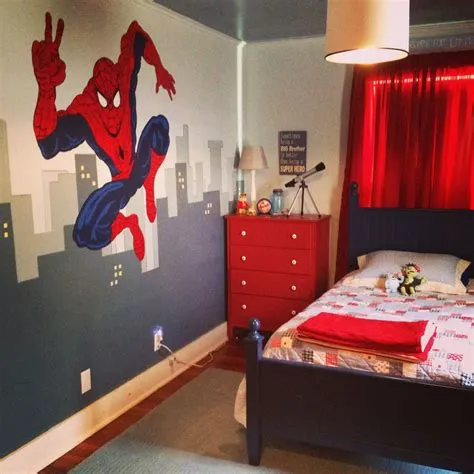
INTERIORDECOR.BIZ.ID – Designing a bedroom for a four-year-old is an exciting opportunity to create a space that sparks imagination and supports their growing independence. This age is a fantastic time to incorporate playful themes and functional elements that will grow with your child. Making their room a place they love to be is key for playtime and rest.
When decorating for a four-year-old, it’s essential to balance aesthetics with practicality. Think about colors that are cheerful and stimulating, yet calming enough for bedtime. Storage solutions are also paramount, helping to keep the space tidy and teaching valuable organizational skills from an early age. A well-designed room can foster a sense of ownership and comfort.
Choosing a Theme
Themes can transform a regular bedroom into an enchanted land for a four-year-old. Whether it’s outer space, a fairytale kingdom, or a jungle adventure, a theme provides a cohesive direction for your decor choices. This helps to create a consistent and immersive environment that a child can truly connect with. It also makes the decorating process more focused and enjoyable.
Consider your child’s current interests and passions when selecting a theme. Asking them for input can make them feel more involved and excited about their new room. Popular choices often revolve around animals, vehicles, superheroes, or beloved cartoon characters. The goal is to ignite their sense of wonder and play.
Playful Color Palettes
The color palette of a four-year-old’s bedroom plays a significant role in its atmosphere. Bright and vibrant colors can energize the space for playtime, while softer, muted tones can create a more relaxing environment for sleep. It’s beneficial to find a balance between these two extremes. For example, use bold colors as accents rather than for entire walls if you want to avoid overstimulation.
Consider using a base of neutral colors like soft grey, beige, or white, and then layering in pops of color through bedding, rugs, curtains, and wall art. This approach allows for easier updates as your child’s preferences change over time. It also provides a versatile backdrop for various themes and decor styles.
Functional and Fun Furniture
Furniture for a four-year-old’s room should be both safe and age-appropriate. Low-profile beds, rounded edges, and sturdy construction are important considerations for their safety. Multifunctional furniture, such as beds with built-in storage or desks that double as play tables, can maximize space and utility. This is especially useful in smaller rooms, making every inch count.
Think about incorporating elements that encourage play and creativity. A small reading nook with comfy cushions, a low table for drawing and crafts, or even a small climbing structure if space permits, can make the room more engaging. These features not only serve a purpose but also enhance the overall fun factor of the room.
Smart Storage Solutions
Effective storage is crucial in a child’s bedroom to manage the inevitable influx of toys, books, and art supplies. Opt for open shelving for easy access to frequently used items, and closed bins or drawers for things that need to be put away. Labeling storage bins with pictures or words can help your child learn to tidy up independently. This promotes responsibility and organization skills.
Wall-mounted shelves, under-bed storage drawers, and toy organizers can all contribute to a clutter-free environment. Consider using modular storage systems that can be adapted as your child’s needs evolve. A well-organized room is often a more peaceful and less stressful space for both children and parents.
Engaging Wall Decor
The walls of a four-year-old’s bedroom are a canvas for creativity and fun. Consider wall decals that are easy to apply and remove, allowing for thematic changes without damaging the paint. Large murals depicting their favorite scenes or characters can create a stunning focal point. These can truly bring a theme to life and spark imaginative play.
Displaying your child’s artwork is also a wonderful way to personalize the space and boost their confidence. Use a gallery wall setup with simple frames or clipboards for easy swapping. Mirrors can also be a great addition, making the room feel larger and providing opportunities for self-expression and recognition.
Lighting for Mood and Function
Lighting in a child’s bedroom should be layered to accommodate different activities. Ambient lighting, such as a ceiling fixture, provides general illumination for playtime and dressing. Task lighting, like a bedside lamp or a desk lamp, is essential for reading or drawing. Consider a dimmer switch to create a softer, more relaxing ambiance for bedtime.
Nightlights are also a comforting addition for four-year-olds who might feel anxious in the dark. You can find them in fun shapes or characters that tie into the room’s theme. Ensure all light fixtures are safely installed and out of reach to prevent any accidents.
Textiles and Soft Furnishings
Soft furnishings like rugs, curtains, and bedding add warmth, comfort, and personality to a child’s room. Choose durable and washable fabrics that can withstand the wear and tear of daily use. Playful patterns and textures can add visual interest and make the space more inviting for a young child. These elements also contribute to the overall sensory experience of the room.
A soft rug can define a play area and provide a comfortable surface for sitting and playing. The bedding is a prime opportunity to incorporate the room’s theme or favorite colors. Curtains can add a finishing touch and help control the amount of natural light entering the room.
Safety First
When decorating any child’s room, safety must be the top priority. Ensure all furniture is securely anchored to the walls to prevent tipping. Electrical outlets should be covered, and any cords from blinds or curtains should be kept out of reach. It’s also wise to use non-toxic paints and materials whenever possible.
Regularly inspect the room for any potential hazards as your child grows and their play habits change. Removing small objects that could be a choking hazard and ensuring window guards are in place are vital steps. A safe environment allows children to explore and play with confidence.
Creating a beautiful and functional bedroom for a four-year-old is a rewarding endeavor. By focusing on themes, colors, safe furniture, smart storage, and engaging decor, you can craft a space that nurtures their imagination and becomes a cherished part of their childhood. These ideas provide a starting point for a room that is both a fun play area and a cozy sanctuary.
Remember to involve your child in the process as much as possible, as their input can lead to a room that truly reflects their personality and preferences. A room designed with love and attention will be a space where they can thrive, dream, and grow. Enjoy the journey of transforming their room into a magical haven.
Frequently Asked Questions (FAQ)
What are some popular themes for a four-year-old’s bedroom?
Popular themes for four-year-old bedrooms often include animals, outer space, superheroes, dinosaurs, princesses, vehicles, and characters from favorite cartoons or storybooks. The key is to choose something that aligns with your child’s current interests and sparks their imagination.
How can I make a four-year-old’s bedroom more engaging for play?
You can make a bedroom more engaging by incorporating a reading nook with cushions, a small play tent or canopy, a low table for art and crafts, or even wall-mounted elements like a mini climbing wall or chalkboards. Storage that’s easily accessible also encourages self-directed play.
What color palettes work well for a four-year-old’s room?
A good approach is to use a base of neutral or soft colors for the walls and larger furniture, then add pops of vibrant color through bedding, rugs, and accessories. This balance can be stimulating for play while remaining calming for sleep. Consider colors that evoke happiness and creativity.
What are the most important safety considerations for a child’s bedroom?
Safety is paramount. Ensure all furniture is anchored to the walls, use non-toxic paints and materials, cover electrical outlets, keep cords out of reach, and install window guards. Avoid small decor items that could be a choking hazard and choose rounded furniture with no sharp edges.
How can I maximize storage in a small four-year-old’s bedroom?
Utilize vertical space with wall shelves, use under-bed storage drawers, and opt for furniture with built-in storage solutions like toy chests or ottomans. Labeling bins with pictures or words can also help your child learn to put things away, keeping the room tidy.
Written by: James Wilson