
 ZeckRV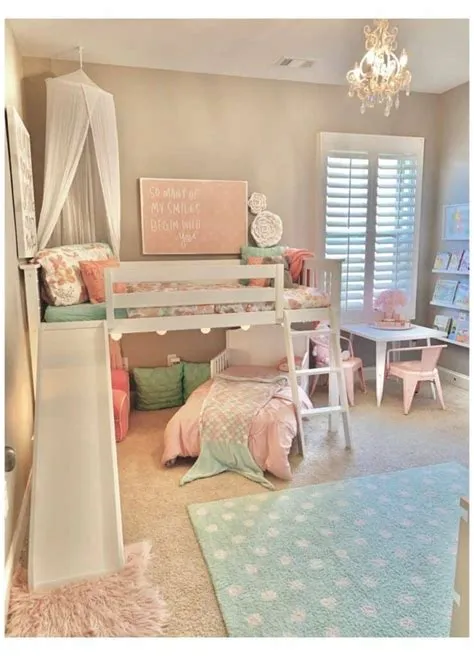
INTERIORDECOR.BIZ.ID – Creating a magical and functional bedroom for a 4-year-old girl is an exciting project for any parent. At this age, children are developing their personalities and have distinct preferences, making their personal space a canvas for their burgeoning imagination. A well-designed room can foster creativity, encourage independent play, and provide a comforting sanctuary for rest. The goal is to blend aesthetics with practicality, ensuring the space is both beautiful and safe.
When brainstorming bedroom decor ideas for a 4-year-old girl, consider her favorite colors, characters, and activities. This age is characterized by a love for storytelling, imaginative play, and a growing sense of self. Incorporating elements that reflect her interests will make the room feel personal and special. Think about creating different zones within the room for sleeping, playing, and reading to enhance its functionality.
Choosing the Right Color Palette
The color scheme plays a crucial role in setting the mood of the room. Soft pastels like blush pink, lavender, mint green, or sky blue are often popular choices for girls’ rooms. These colors create a calming and serene atmosphere, perfect for sleep and relaxation. You can also introduce bolder, playful accents to add energy and personality without overwhelming the space. Consider using these brighter colors in smaller doses through accessories or accent walls.
An alternative approach is to opt for a neutral base, such as soft grays or whites, and then layer in pops of color through bedding, rugs, and wall art. This provides flexibility for future updates as your daughter’s tastes evolve. White walls can serve as a blank canvas for vibrant artwork and colorful toys, making them stand out. Neutral palettes also make the room feel more spacious and timeless.
Theme Ideas to Spark Imagination
Many 4-year-olds have favorite characters or themes that can inspire the room’s design. Popular choices include princesses, fairies, unicorns, or animals. A princess theme could involve a canopy bed, sparkly accents, and pastel fabrics. For a fairy theme, consider whimsical wall decals, mushroom-shaped stools, and delicate lighting. These themes can be integrated subtly to avoid an overly kitschy look.
Alternatively, you could explore broader themes like a magical garden, a starry night sky, or an underwater adventure. A garden theme might feature floral wallpaper, leafy accents, and plush animal toys. A starry night sky could be achieved with glow-in-the-dark stars on the ceiling and celestial-themed bedding. These themes encourage imaginative play and learning about the world around them.
Furniture and Layout Considerations
Practicality and safety are paramount when selecting furniture for a young child’s room. Opt for sturdy, child-sized furniture that is easy for her to access and use independently. A low-profile bed makes it easy for her to get in and out safely. Storage solutions, such as toy chests, shelves, and cubbies, are essential for keeping the room tidy. Built-in storage can maximize space, especially in smaller rooms.
Consider furniture that can grow with your child, such as a convertible crib or a bed with a headboard that can be repurposed. Multifunctional furniture, like a storage bench that doubles as seating, is also a great option. Ensure all furniture is free of sharp edges and is securely anchored to the walls to prevent tipping. Think about the overall layout to ensure ample floor space for play and movement.
Textiles and Soft Furnishings
Soft furnishings like bedding, rugs, and curtains add warmth, comfort, and personality to the room. Choose bedding that features her favorite colors or characters, but also opt for breathable, hypoallergenic materials for comfort. A plush rug can define a play area and provide a soft surface for sitting and playing on the floor. Consider a rug with a subtle pattern or texture that adds visual interest.
Curtains can control light and add a decorative element; sheer curtains can soften the light while blackout curtains are ideal for promoting sleep. Incorporate soft cushions and stuffed animals to make the bed and floor areas more inviting and comfortable. These elements contribute significantly to the overall cozy and inviting atmosphere of the bedroom.
Lighting and Decorative Accents
Appropriate lighting is essential for both function and ambiance. A main overhead light is necessary, but consider adding softer, ambient lighting options as well. A night light provides comfort and helps ease fears of the dark. Fairy lights or a decorative table lamp can create a whimsical atmosphere and serve as reading lights. Ensure all light fixtures are child-safe and installed securely.
Decorative accents are the finishing touches that bring the room to life. Wall art, decals, and posters can showcase her interests and add personality. Personal touches like framed photos or her own artwork displayed on a gallery wall make the room uniquely hers. Consider adding a small, accessible bookshelf filled with her favorite stories to encourage a love of reading. Mirrors can also make the room feel larger and brighter, but ensure they are safely mounted.
Creating a Reading Nook
A dedicated reading nook can foster a love for books and provide a quiet space for relaxation. This can be as simple as a comfortable beanbag chair or a small armchair placed in a corner, perhaps near a bookshelf. Adding a soft rug or a few plush cushions can make it even more inviting. Ensure adequate lighting in this area, either from a nearby window or a dedicated reading lamp.
This cozy spot can be adorned with themed decorations that align with the room’s overall design. It becomes a special place where she can escape into stories and develop her imagination. Making reading an enjoyable experience from a young age sets a foundation for lifelong learning and a healthy habit. The reading nook should feel like a personal retreat within her own room.
Safety First in Design
When implementing any bedroom decor ideas for a 4-year-old girl, safety must be the top priority. Ensure all furniture is stable and anchored to the walls to prevent tipping hazards. Electrical outlets should be covered, and cords for blinds or curtains should be secured out of reach. Avoid small decorative items that could be choking hazards for a young child.
Regularly inspect the room for any potential dangers, such as loose screws on furniture or exposed wires. Opt for non-toxic paints and materials whenever possible to ensure a healthy indoor environment. Childproofing the room is an ongoing process, and it’s wise to get down on your child’s level to spot potential risks you might otherwise miss. A safe environment allows for uninhibited exploration and play.
Encouraging Independence
The way a room is decorated can also encourage a child’s independence. Accessible storage solutions, like low shelves and open bins, allow her to easily put away her toys and books herself. A small table and chairs set can provide a dedicated space for drawing, crafts, or snacks, promoting self-sufficiency. Making tasks like dressing and choosing outfits easier also builds confidence.
A well-organized room that she can manage herself helps her develop a sense of responsibility and pride in her space. This fosters a positive relationship with her environment and encourages her to take ownership of her belongings. Ultimately, her bedroom should be a place that nurtures her growth, creativity, and well-being.
Incorporating Personal Touches
Allowing your daughter to have a say in the decor, within reasonable limits, can make her feel valued and excited about her room. Even at four, she can choose her favorite colors or a beloved character to feature. Displaying her artwork or photos prominently makes her feel connected to her space. This personalization is key to creating a room that truly reflects her personality.
Consider a special corner or wall where she can display her creations or treasures. This not only adds a personal touch but also teaches her the value of her own work and imagination. A room that feels like an extension of her personality is more likely to be a place where she feels comfortable, happy, and inspired.
The Importance of Playful Elements
A 4-year-old’s room should be a place of joy and play. Incorporate elements that spark her imagination and encourage active engagement. This could include a play tent, a small slide (if space allows), or a designated area for dress-up. Colorful and fun bedding or wall decals can also contribute to a playful atmosphere.
Think about how the decor can enhance her playtime experiences. For instance, a rug with a road map design can be the starting point for car adventures. The goal is to create an environment that supports her developmental needs for exploration, creativity, and fun. A room that is both stimulating and comforting will be her favorite place to be.
Thematic Wall Decor and Decals
Walls offer a large canvas for expressing themes and personality. Wall decals are a fantastic, non-permanent way to decorate, allowing for easy changes as interests shift. For a fairy-tale theme, consider decals of castles, magical creatures, or enchanted forests. Animal decals can bring a jungle or farmyard theme to life. These add visual interest without the commitment of wallpaper.
You can also use paint to create murals or patterns that align with the chosen theme. A gradient sky on one wall or polka dots in various colors can be both playful and sophisticated. Consider interactive elements like chalkboard paint or magnetic paint on a section of the wall, turning it into a creative space for drawing and learning. These elements transform a plain wall into a dynamic part of the room’s design.
Balancing Fun and Functionality
While creating a whimsical space is important, it’s crucial to balance it with functionality. Ensure that storage is easy to use and accessible for a four-year-old. The layout should allow for both play and rest without feeling cluttered. Every element should serve a purpose, whether it’s aesthetic or practical. This thoughtful approach ensures the room is a joy to be in and easy to maintain.
Think about the longevity of your choices. While a character-themed bed might be a hit now, consider if it can be adapted or if a simpler frame with themed bedding would offer more flexibility. The aim is to create a space that is both enchanting for a four-year-old and practical for parents to manage. A functional design makes daily routines smoother and allows for more time for fun and connection.
Final Touches for a Dreamy Room
The final touches are what truly make a bedroom feel special. This might include a personalized name plaque, a string of fairy lights draped around a canopy, or a collection of her favorite stuffed animals arranged on the bed. These small details contribute to the overall magic and make the room feel uniquely hers. It’s these personal touches that transform a decorated room into a beloved sanctuary.
Consider the sensory experience of the room: the softness of the rugs, the textures of the fabrics, and the gentle glow of the lighting. A room that appeals to multiple senses can be incredibly comforting and stimulating for a young child. By carefully curating these final elements, you can create a dreamy, functional, and personalized bedroom that your 4-year-old girl will adore.
Frequently Asked Questions
What are the most popular themes for a 4-year-old girl’s bedroom?
Popular themes often include princesses, fairies, unicorns, animals, or characters from her favorite cartoons. Broad themes like enchanted gardens or space exploration are also great options.
How can I make a small bedroom feel larger?
Use light and neutral colors on the walls, incorporate mirrors to reflect light, choose furniture with a low profile, and utilize vertical storage solutions. Keeping the room clutter-free is also essential.
What kind of lighting is best for a child’s bedroom?
A combination of ambient lighting (overhead lights), task lighting (reading lamps), and accent lighting (night lights, fairy lights) works well. Ensure all fixtures are child-safe and at an appropriate height.
How often should I update my child’s bedroom decor?
This depends on your child’s evolving interests and your budget. Temporary decorations like decals and bedding can be updated easily. Major furniture changes are less frequent, perhaps every few years.
Written by: Robert Miller