
 ZeckRV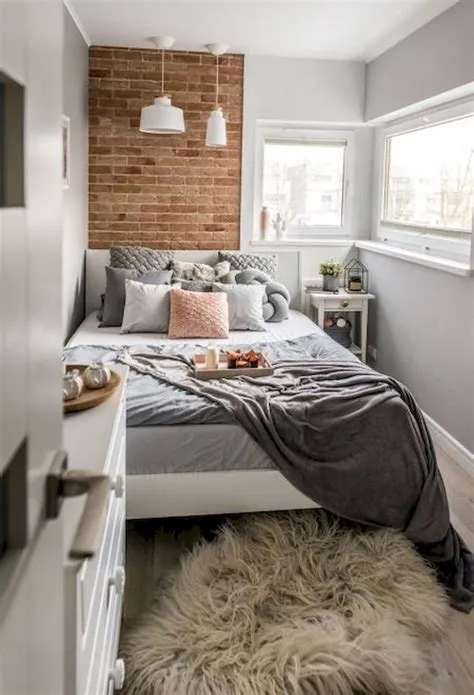
INTERIORDECOR.BIZ.ID – Transforming a small bedroom into a functional and stylish sanctuary can seem daunting, but with smart design choices, it’s entirely achievable. Small bedroom decor ideas focus on making the most of limited square footage without sacrificing comfort or aesthetics. We’ll explore effective strategies to enhance your compact sleeping quarters.
The primary goal when decorating a small room is to create an illusion of spaciousness while ensuring every element serves a purpose. This involves careful consideration of furniture placement, color palettes, lighting, and storage solutions. By implementing these principles, even the tiniest bedroom can feel open and inviting.
Clever Furniture Choices
Opt for furniture that is scaled appropriately for the room and serves multiple functions. Multifunctional pieces are essential for small spaces, reducing clutter and maximizing utility. Think about pieces that can fold away or offer hidden storage to keep your room tidy.
Consider a bed frame with built-in drawers or a storage ottoman that can double as a footrest and a place to stow away extra linens or seasonal clothing. Wall-mounted shelves are also excellent space-savers, providing storage without occupying valuable floor space.
Embrace Vertical Space
When floor space is limited, look upwards. Vertical storage is your best friend in a small bedroom. Utilize the full height of your walls to create storage and display areas. This draws the eye upward, making the room feel larger than it is.
Tall, narrow bookshelves or wall-mounted shelving units can house your books, decorative items, and even fold-out desks. Consider using the space above your headboard for shelving or artwork, further optimizing vertical real estate.
Strategic Use of Color
Color plays a significant role in how we perceive space. Light and neutral colors are generally recommended for small bedrooms as they reflect light and create an airy, open feel. Pale blues, soft grays, crisp whites, and gentle beiges can work wonders.
Using a monochromatic color scheme can also create a sense of visual continuity, making the room appear more expansive. If you prefer a bolder look, use bright colors as accents rather than covering entire walls, which can make the space feel smaller.
Mirrors: The Illusion of Space
Mirrors are a classic design trick for making small rooms feel larger. Strategically placed mirrors can reflect light and the room itself, creating the illusion of more depth and width. They are both decorative and functional elements.
A large floor-to-ceiling mirror can dramatically open up a room. Alternatively, consider a mirrored wardrobe door or a gallery wall of smaller framed mirrors. Ensure they are positioned to reflect natural light or appealing parts of the room.
Smart Lighting Techniques
Adequate lighting is crucial for making any room feel welcoming and spacious, especially a small bedroom. Avoid relying solely on a single overhead light, which can cast shadows and make the room feel cramped.
Incorporate multiple light sources, such as bedside lamps, wall sconces, and floor lamps, to create a warm and layered ambiance. Natural light should be maximized by using sheer curtains that allow sunlight to filter in.
Declutter and Organize
A cluttered room will always feel smaller, regardless of its size. Regular decluttering is a fundamental step in managing a small bedroom effectively. Keep only essential items and find designated homes for everything.
Invest in smart storage solutions like under-bed storage bins, drawer organizers, and closet systems. A tidy space promotes a sense of calm and makes the room appear much larger and more organized.
Layout Optimization
The layout of your furniture significantly impacts the perceived size of your bedroom. Avoid pushing all furniture against the walls, as this can sometimes make the room feel smaller and boxy.
Experiment with slightly pulling furniture away from the walls or arranging it to create clear pathways. Consider the flow of movement within the room to ensure it feels comfortable and not obstructed.
Focus on Scale and Proportion
When selecting decor items, pay attention to their scale and proportion relative to the room. Oversized or bulky items can overwhelm a small space, making it feel cramped and cluttered.
Choose smaller-scale furniture and decor accessories that fit comfortably without dominating the room. This ensures a harmonious and balanced aesthetic that enhances the sense of space.
Leggy Furniture
Furniture with exposed legs, often referred to as ‘leggy’ furniture, can create an airy feel. When you can see the floor underneath a bed frame, dresser, or chair, it creates an illusion of more space and openness.
This visual lightness prevents the room from feeling too heavy or enclosed. Look for furniture that is elevated off the floor to allow light and air to flow more freely beneath it.
Personalize Thoughtfully
Even in a small space, personal touches are important for making a bedroom feel like home. However, in a small room, it’s crucial to be selective with your decorative items to avoid creating clutter.
Opt for a few statement pieces that reflect your personality rather than an abundance of small trinkets. A well-chosen piece of art or a few carefully curated photos can add character without overwhelming the space.
Embrace Minimalism
A minimalist approach to decor can be highly effective in small bedrooms. This means focusing on essential items and clean lines, which inherently promotes a sense of order and spaciousness.
By reducing visual noise and unnecessary items, you create a serene environment that feels larger and more tranquil. Minimalism is not about deprivation but about intentionality.
Conclusion
Decorating a small bedroom is an exercise in creativity and smart solutions. By incorporating these ideas – from strategic furniture choices and vertical storage to clever use of color and mirrors – you can transform your compact space into a delightful and functional retreat. Remember that thoughtful planning and a focus on maximizing every inch can lead to beautiful and comfortable results.
FAQ Section
What is the best color scheme for a small bedroom?
Light and neutral colors like white, beige, pale gray, and soft blues are best for small bedrooms as they reflect light and create an airy feel. A monochromatic scheme also enhances the sense of space.
How can I make a small bedroom feel larger?
You can make a small bedroom feel larger by using light colors, ample lighting, mirrors, vertical storage, and appropriately scaled furniture. Decluttering and optimizing the layout are also crucial.
What type of furniture is best for a small bedroom?
Multifunctional furniture, such as beds with storage drawers or storage ottomans, is ideal for small bedrooms. Furniture with exposed legs (leggy furniture) and items that utilize vertical space are also highly recommended.
Should I use curtains in a small bedroom?
Yes, but opt for sheer curtains in light colors to maximize natural light. Avoid heavy, dark drapes, which can make the room feel smaller and more closed off.
How can I add personality to a small bedroom without clutter?
Add personality through a few carefully chosen statement pieces, such as a piece of artwork, decorative pillows, or a curated collection of photos. Focus on quality over quantity to maintain a sense of spaciousness.
Written by: Robert Miller