
 ZeckRV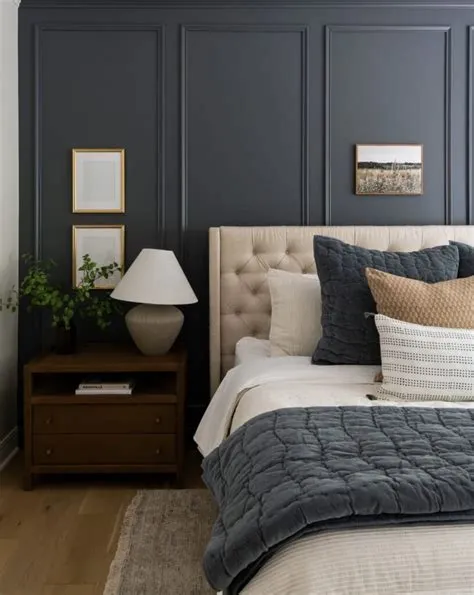
INTERIORDECOR.BIZ.ID – Adding wall panelling to your bedroom can dramatically enhance its aesthetic appeal and introduce a sense of depth and texture. This design element, once a feature of traditional homes, has seen a resurgence in popularity due to its versatility and ability to create stunning focal points. Panelling offers a sophisticated way to elevate your bedroom’s style, moving beyond simple paint or wallpaper.
Understanding the different types of panelling available is crucial for achieving your desired look. From classic wainscoting to modern geometric designs, there’s an option to suit every taste and existing decor. Each style brings its own unique character, influencing the overall mood and feel of the room. Consider your existing furniture and color palette when making your selection.
Types of Bedroom Panelling
Wainscoting is a traditional choice, typically covering the lower third of the wall with decorative moulding. It adds a classic charm and can protect the wall from scuffs and damage. Beadboard panelling, a subtype of wainscoting, features narrow vertical planks with a bead between them, offering a slightly more casual yet still elegant look.
Shiplap panelling involves planks with a rabbet joint, creating a clean, horizontal line that can evoke a rustic or coastal feel. This style is excellent for creating a modern farmhouse or minimalist bedroom aesthetic. Its simplicity makes it a popular DIY choice for many homeowners.
Modern Panelling Styles
Beyond traditional styles, contemporary panelling offers exciting possibilities for a more modern and dramatic effect. Geometric panelling, using repeating patterns of squares, rectangles, or other shapes, can create a dynamic and artistic feature wall. This approach injects a bold statement into the room, making it a true conversation starter.
Slatted or ribbed panelling, often made with vertical wooden slats, has become incredibly popular for its minimalist and sophisticated appeal. This style adds subtle texture and visual interest without overwhelming the space, contributing to a calm and serene atmosphere.
Benefits of Bedroom Panelling
One significant benefit of panelling is its ability to add architectural interest and a sense of luxury to a room. It can make a plain wall come alive, providing a richer backdrop for your furniture and decor. Panelling can also help to define different zones within a larger bedroom, such as a reading nook or dressing area.
Furthermore, panelling offers practical advantages, including improved acoustics and insulation. The added layer on the walls can help dampen sound, creating a quieter and more peaceful sleeping environment. It can also provide a small degree of thermal insulation, contributing to the room’s overall comfort.
Design Considerations
When choosing bedroom decor ideas involving panelling, consider the scale of your room and the height of your ceilings. Taller ceilings can accommodate more intricate or taller panelling designs, while lower ceilings might benefit from simpler, lower-profile options to avoid making the room feel cramped.
The material of the panelling is also an important factor, with wood being a popular choice for its warmth and natural beauty. However, MDF and vinyl options are also available, offering more budget-friendly and easier-to-maintain alternatives. The finish you choose, whether painted, stained, or natural, will significantly impact the final look.
Color and Finish
Painting your panelling a contrasting color to your walls can create a striking focal point, particularly for a headboard wall. Alternatively, painting the panelling and walls the same color can create a seamless, monochromatic look that adds texture without being overly busy.
Natural wood finishes, such as oak or walnut, bring warmth and organic texture into the bedroom, complementing a variety of decor styles from Scandinavian to mid-century modern. This natural approach can make the room feel more grounded and inviting.
Installation and DIY Potential
While professional installation is recommended for complex designs, many simpler panelling styles, like beadboard or shiplap, are achievable for DIY enthusiasts. Careful measurement, precise cutting, and proper adhesion are key to a successful installation.
For those less inclined to DIY, many companies offer pre-made panels or kits that simplify the installation process. These solutions can help achieve a high-quality finish with less effort, making stylish panelling accessible to a wider audience.
Creating a Statement Wall
A feature wall created with panelling is an excellent way to add drama and personality to your bedroom. This can be behind the bed, framing a fireplace, or even surrounding a window area, drawing the eye and becoming the room’s central design element.
The choice of panelling for a statement wall depends on your desired impact; from bold geometric patterns to the subtle elegance of vertical slats, the possibilities are vast. Experimenting with different layouts can help you find the perfect visual rhythm for your space.
Integrating Panelling with Decor
Once your panelling is installed, consider how it complements your existing furniture and accessories. For instance, a modern slatted wall might pair well with minimalist furniture and clean lines, while wainscoting could enhance a more traditional or antique aesthetic.
Lighting can also play a role in highlighting your panelling. Wall sconces or picture lights strategically placed can cast shadows that accentuate the texture and depth of the panels, adding another layer of visual interest to your beautifully decorated bedroom.
Ultimately, bedroom panelling ideas offer a rich palette for interior designers and homeowners alike. By carefully selecting the type, style, and finish, you can transform any bedroom into a more sophisticated, textured, and inviting sanctuary.
Written by: Emma Johnson