
 ZeckRV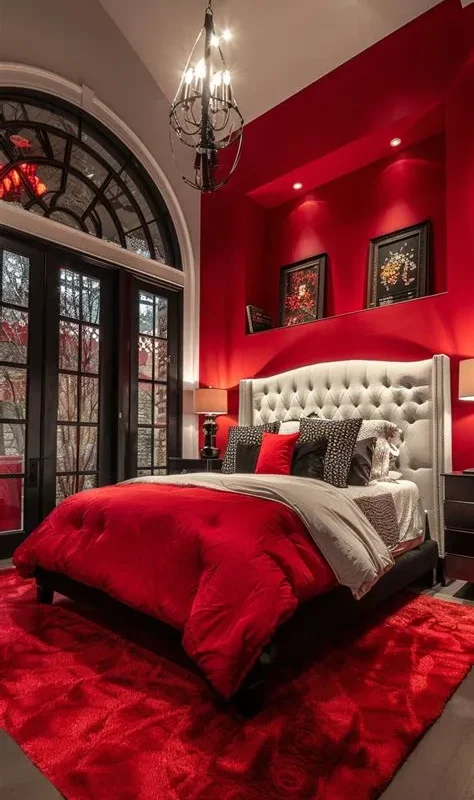
INTERIORDECOR.BIZ.ID – Incorporating red into your bedroom decor can be a bold and effective way to create a space that feels energetic, passionate, and inviting. Red is a powerful color, and when used thoughtfully, it can transform a mundane room into a vibrant sanctuary. This guide will explore various ways to integrate red into your bedroom, from subtle accents to statement pieces.
Understanding the psychology of color is key when using red in interior design. Red is often associated with warmth, energy, and even romance, making it a fitting choice for a personal retreat. However, its intensity means it should be balanced with other colors and textures to avoid overwhelming the senses.
Embracing Red: From Subtle Accents to Bold Statements
The easiest way to introduce red is through smaller decorative items. Think throw pillows, a cozy blanket draped over the bed, or a vibrant rug. These elements can add a pop of color without committing to a large-scale change.
For a more significant impact, consider incorporating red through larger furniture pieces. A red accent chair or a headboard upholstered in a rich red fabric can become a focal point in the room. These pieces command attention and set a strong design tone.
Walls: The Ultimate Canvas for Red
Painting your bedroom walls red is the most direct approach to a red-themed room. Opt for a deep, rich shade like crimson or burgundy for a sophisticated feel, or a brighter, more energetic red for a youthful vibe. This can create an immediate sense of warmth and drama.
If a full red wall feels too intense, consider an accent wall. Painting just one wall red behind your bed can provide a striking backdrop without overpowering the entire space. This allows you to enjoy the impact of red while keeping the room balanced.
Textiles and Soft Furnishings: Adding Texture and Depth
Red bedding is a classic choice that instantly injects warmth and luxury into a bedroom. Consider a full red duvet cover or opt for red pillowcases and shams to complement a neutral base. The texture of the fabric, whether it’s smooth sateen or plush velvet, will further enhance the visual appeal.
Curtains are another excellent opportunity to use red textiles. Heavy, deep red drapes can lend an air of opulence and provide effective light control. Lighter red sheers can offer a softer, more diffused effect, filtering light beautifully.
Balancing Red: Complementary Colors and Neutrals
To prevent red from becoming too dominant, it’s crucial to balance it with complementary colors. Whites, creams, and beige tones provide a neutral canvas that allows the red accents to truly shine. These colors create a sense of calm and space.
Cooler tones like grays and blues can also work exceptionally well with red. A soft gray can ground a vibrant red, while deep navy blues can add a sense of sophistication and depth, creating a dynamic yet harmonious palette.
Materials and Finishes: Elevating the Red Experience
The material of your red decor elements will significantly influence the overall mood. A deep red velvet throw pillow exudes luxury, while a matte red vase offers a more modern, understated appeal. Consider metallic accents like gold or brass to add a touch of glamour to red elements.
Wooden furniture, especially in darker tones, pairs beautifully with red. The natural warmth of wood complements the intensity of red, creating a cozy and inviting atmosphere. Think about a dark wood dresser or nightstand alongside red bedding.
Red Accents: The Details That Matter
Don’t underestimate the power of small red accessories. A striking red lamp, a collection of framed artwork featuring red hues, or even a colorful vase can add personality and visual interest. These details can tie the entire room’s color scheme together.
Consider integrating red in functional items like a waste bin or a jewelry box for a touch of unexpected style. These subtle inclusions ensure that the red theme is present throughout the room without feeling forced or overly decorated.
Creating Mood with Red Lighting
While not directly a decor item, lighting plays a vital role in how red is perceived. Warm-toned lighting will enhance the cozy and inviting aspects of red, making your bedroom feel like a snug retreat. Avoid harsh, cool lighting that might make the red appear too aggressive.
Strategically placed lamps with red lampshades can cast a warm, ambient glow, perfect for unwinding in the evening. This is a subtle yet effective way to infuse the room with red’s warmth and energy.
Styling Your Red-Themed Bedroom
When styling your red bedroom, aim for a cohesive look. Decide on the primary shade of red you want to use and build your decor around it. Whether you choose a deep, sophisticated ruby or a bright, playful cherry, consistency is key.
The goal is to create a personal haven that reflects your style and preferences. By thoughtfully incorporating red, you can design a bedroom that is not only visually stunning but also deeply comfortable and personal.
FAQs about Red Bedroom Decor
Q: Is red too overwhelming for a bedroom?
A: Red can be intense, but it can be balanced with neutral colors and textures to create a warm and inviting atmosphere without being overwhelming. Strategic use of accent pieces and careful color pairing are key.
Q: What colors go well with red in a bedroom?
A: Whites, creams, beiges, grays, and navy blues are excellent complementary colors that help to ground and balance red. Metallic accents like gold and silver can also add sophistication.
Q: How can I use red if I don’t want to paint my walls?
A: You can introduce red through bedding, throw pillows, blankets, rugs, curtains, artwork, or accent furniture like chairs or ottomans. These elements allow you to incorporate red without a permanent commitment.
Q: Can I use different shades of red in one room?
A: Yes, using different shades and tones of red can add depth and visual interest. However, it’s advisable to have a dominant shade and use others as accents to maintain a cohesive design.
Q: What is the best way to add red to a small bedroom?
A: In a small bedroom, it’s often best to use red as an accent color rather than a dominant one. Consider red pillows, a throw, or artwork to add a pop of color without making the space feel smaller or cramped.
Written by: Emma Johnson