
 ZeckRV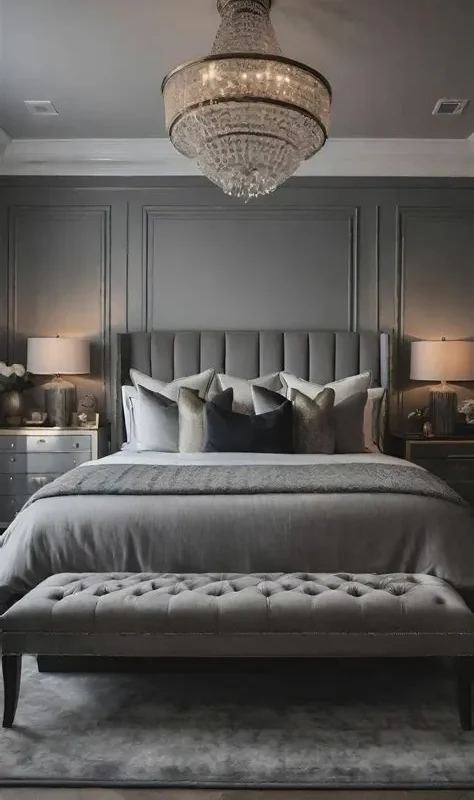
INTERIORDECOR.BIZ.ID – Transform your bedroom into a tranquil retreat with the sophisticated charm of grey decor. Grey, a versatile and timeless color, offers a multitude of shades and tones that can set the mood for relaxation and style. This guide will explore various ways to incorporate grey into your bedroom, creating a cohesive and aesthetically pleasing environment.
Understanding the psychology of color is key when designing any space, and grey is no exception. It’s often associated with calmness, balance, and neutrality, making it an ideal backdrop for a restful sanctuary. Unlike bolder colors, grey provides a subtle yet powerful foundation that allows other design elements to shine.
Choosing the Right Shade of Grey
The spectrum of grey is vast, ranging from light, airy silver to deep, moody charcoal. Your choice of shade will significantly impact the overall atmosphere of the room. Lighter greys can make a space feel larger and more open, perfect for smaller bedrooms. Conversely, darker greys can add a sense of coziness and intimacy, creating a dramatic and enveloping feel.
Consider the natural light in your bedroom when selecting your grey hue. A room with ample sunlight can handle deeper, richer greys, while a room with less natural light might benefit from lighter, reflective tones. Samples are invaluable; paint swatches on your walls to see how they look at different times of day.
Pairing Grey with Other Colors
One of the greatest strengths of grey is its adaptability. It acts as a fantastic neutral canvas, readily complementing a wide array of accent colors. Think of grey as the perfect supporting actor, allowing other colors to take center stage when desired. This makes it easy to update your decor seasonally or as your tastes evolve.
For a serene and minimalist look, pair grey with soft whites, creams, and other muted pastels. This combination evokes a sense of peace and simplicity. If you prefer a bolder statement, consider pairing charcoal grey with vibrant pops of teal, mustard yellow, or even a rich emerald green. These pairings add personality and depth without overwhelming the space.
Incorporating Grey Through Various Elements
Grey can be introduced through a multitude of elements, from wall paint and furniture to textiles and accessories. Walls are the largest surface area, making them a primary opportunity for introducing your chosen grey. This can be through paint, wallpaper, or even textured wall panels.
Your bedding is another critical component for grey bedroom decor. Consider a grey duvet cover, sheets, or throw pillows. This is an easy and effective way to establish the color palette. Mix different textures within your grey bedding, such as chunky knits or smooth sateen, for added visual interest.
Furniture and Fixtures
Grey furniture can range from a sleek, modern grey bed frame to a vintage-inspired grey dresser. A grey upholstered headboard can add a touch of luxury and softness to the room. Even smaller furniture pieces, like bedside tables or accent chairs, can carry the grey theme effectively.
Consider metallic accents that pair well with grey, such as brushed nickel, chrome, or even brass. These can be incorporated into light fixtures, drawer pulls, or decorative objects, adding a touch of sophistication. Black accents can also provide a striking contrast against lighter greys.
Textiles and Accessories
Rugs are a wonderful way to anchor your grey bedroom decor. A grey rug can tie together the color scheme and add warmth and comfort underfoot. From plush shag rugs to geometric patterned designs, the options are endless.
Curtains and drapes in various shades of grey can enhance privacy while contributing to the overall aesthetic. Don’t forget smaller decorative items like vases, picture frames, or sculptural pieces, which can subtly reinforce the grey theme and add personality.
Creating a Balanced Grey Bedroom
While grey is a neutral, it’s important to avoid making the room feel cold or monotonous. This is where the introduction of warmer textures and natural materials comes into play. Incorporating wood elements, such as a wooden bedside table or a picture frame, can add warmth and a touch of organic beauty.
Plants are also excellent for bringing life and a natural contrast to a grey-dominated room. The vibrant greens of foliage offer a refreshing counterpoint to the sophisticated neutrality of grey. This balance ensures the room feels inviting and dynamic, rather than stark.
Layering different shades and textures of grey is crucial for creating depth and interest. For example, combine a light grey wall with medium grey bedding and dark charcoal grey accent pillows. This variation prevents the room from feeling flat and monochromatic, instead creating a rich and nuanced look.
Finally, ensure that your lighting is thoughtfully considered. Warm lighting, as opposed to cool, sterile light, will make grey tones feel more inviting and cozy. Ambient lighting, task lighting, and accent lighting can all work together to create a warm and functional atmosphere.
By thoughtfully selecting shades, pairing with complementary colors, and layering various elements, you can create a stunning and serene grey bedroom that reflects your personal style and offers a peaceful escape from the everyday.
Frequently Asked Questions About Grey Bedroom Decor
Can grey be too cold for a bedroom?
Grey can sometimes feel cold if not balanced properly. To avoid this, introduce warmer elements like natural wood textures, cozy textiles (like chunky knits or faux fur), and warm accent colors. Layering different shades of grey also adds depth and prevents a flat, stark appearance.
What colors go well with grey in a bedroom?
Grey pairs beautifully with a wide range of colors. For a calming effect, consider soft whites, creams, pastels, and muted blues or greens. For a more dramatic look, try bold accents like mustard yellow, teal, deep emerald, or even black. Metallics like silver, chrome, and brass also complement grey wonderfully.
How can I make my grey bedroom feel more inviting?
Incorporate soft, inviting textures through bedding, rugs, and throws. Add natural elements like wooden furniture or plants. Use warm lighting instead of harsh, cool light. Layering different shades and textures of grey also adds visual interest and a sense of coziness.
Is it okay to use all grey in a bedroom?
While an all-grey palette can be sophisticated, it’s important to vary the shades, textures, and finishes of grey to create depth and avoid monotony. Mixing light, medium, and dark greys, along with different materials like matte paint, glossy finishes, and fabric textures, will make the space feel more dynamic and inviting.
What’s the best way to start decorating a bedroom in grey?
Begin by choosing your primary shade of grey for the walls or a major piece of furniture like the bed. Then, select complementary accent colors and textures. Start with bedding and rugs, as these are significant elements that can easily establish the room’s theme. Gradually add accessories and smaller decor items.
Written by: William Clark