
 ZeckRV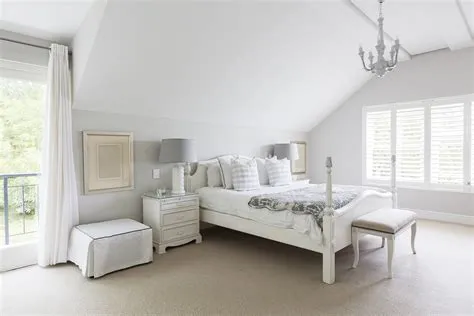
INTERIORDECOR.BIZ.ID – Creating a peaceful and stylish bedroom often starts with a well-chosen color palette, and white serves as an exceptionally versatile foundation. This neutral hue can evoke feelings of calm, purity, and spaciousness, making it an ideal choice for a personal retreat. Embracing white decor ideas in the bedroom offers a canvas for creativity and a sophisticated aesthetic.
The beauty of white lies in its ability to reflect light, instantly making a room feel larger and brighter. This is particularly beneficial for smaller bedrooms or those with limited natural light. When conceptualizing white bedroom decor, think beyond just paint; consider textiles, furniture, and accent pieces.
The Power of a White Base
Starting with white walls is a classic approach that provides a clean and airy backdrop. This allows other elements of your decor to stand out, whether you opt for subtle variations in shade or bold contrasting textures. White walls also make it easier to change the mood of your room with accessories.
Think of white as a stage; it doesn’t demand attention but allows everything else to shine. This foundational simplicity is a key reason why white remains a perennially popular choice for bedroom design. It offers a timeless elegance that is hard to replicate with other colors.
Layering Textures for Depth
To prevent a white bedroom from feeling stark or one-dimensional, layering various textures is crucial. Incorporate plush rugs, soft throws, and textured accent pillows to add visual interest and a sense of comfort. The interplay of different materials creates a rich and inviting atmosphere.
Consider materials like chunky knits, faux fur, linen, and smooth silks. Even within a monochromatic scheme, these tactile differences can provide significant depth and warmth. A textured wallpaper in a subtle white pattern can also add a sophisticated dimension.
Furniture and Accents in White
White furniture can make a striking statement, from a crisp white bed frame to elegant nightstands. These pieces contribute to the overall sense of openness and light in the room. Opt for finishes that complement your desired style, whether it’s a matte finish for a modern look or a high-gloss finish for a touch of glamour.
When selecting white furniture, consider its practicality. Lighter colors can show wear more readily, so choosing durable materials and finishes is a wise decision. For instance, a white upholstered headboard can be both stylish and comfortable.
Creating Contrast and Interest
While an all-white room can be stunning, introducing subtle contrasts can elevate the design. Consider using shades of cream, ivory, or pale grey for bedding or upholstery to add gentle variation. Metallic accents in gold, silver, or brushed brass can also introduce a sophisticated sparkle.
For a bolder contrast, introduce black or dark wood elements through picture frames, lamp bases, or a statement chair. These darker tones anchor the space and provide a dramatic counterpoint to the prevalent white, preventing the room from feeling too ethereal.
The Role of Lighting
Effective lighting is paramount in a white bedroom, enhancing its inherent brightness and creating ambiance. Layer your lighting with overhead fixtures, bedside lamps, and perhaps even some subtle accent lighting. Dimmable options offer flexibility for different moods and times of day.
Warm-toned bulbs can introduce a cozy feel, even within a white scheme. Consider strategically placed floor lamps or wall sconces to highlight textures and architectural features. Smart lighting systems can further enhance the room’s functionality and atmosphere.
Bringing in Natural Elements
Even in a predominantly white bedroom, incorporating natural elements can add warmth and life. Plants, whether real or high-quality faux, introduce a touch of organic color and texture. Wooden accents, such as a bedside table or decorative bowl, can ground the space with earthy tones.
Consider natural fiber rugs made from jute or sisal for an organic feel. Even decorative items like woven baskets can contribute to this natural aesthetic. These elements prevent the white palette from feeling too sterile and connect the room to the outside world.
Tips for Maintaining a White Bedroom
Keeping white decor looking its best requires a little attention. Regular dusting and prompt attention to any spills or stains are essential. Many white fabrics and surfaces are easier to clean than you might think, especially with modern stain-resistant treatments.
Embrace the idea of refreshing your decor periodically. White is a perfect canvas for seasonal updates; simply swap out accent pillows or throws to change the look and feel of your room without a major overhaul. Consider washable slipcovers for upholstery for easy maintenance.
Accessorizing Your White Haven
Accessorizing is where you can truly infuse your personality into a white bedroom. Curate a collection of art, photographs, and decorative objects that speak to you. Think about unique vases, sculptural pieces, or elegant trays for your dresser.
Mirrors are also excellent accessories in a white bedroom, as they reflect light and create an illusion of greater space. A well-placed mirror can also serve as a functional and stylish focal point. The goal is to create a space that feels both serene and uniquely yours.
Conclusion: The Timeless Appeal of White
White bedroom decor offers a timeless and sophisticated approach to interior design. By thoughtfully layering textures, selecting appropriate furniture, and considering lighting and natural elements, you can create a tranquil and inviting sanctuary. The versatility of white allows for endless possibilities, ensuring your bedroom remains a stylish and peaceful retreat for years to come.
Remember, the key to successful white decor is balance and attention to detail. It’s about creating a cohesive look that feels both fresh and comforting. With these ideas, you can transform your bedroom into a serene haven that reflects your personal style.
Frequently Asked Questions
1. How can I prevent a white bedroom from looking too sterile?
Layering various textures like soft throws, plush rugs, and natural materials such as wood or rattan can add warmth and visual interest. Introducing subtle shades of cream or beige, along with metallic accents, can also break up the monotony.
2. What are the best materials for bedding in a white bedroom?
Linen, cotton, and satin are excellent choices for white bedding, offering different textures and levels of comfort. Opting for textured weaves or subtle patterns can add depth without straying from the white palette.
3. How can I incorporate color into a white bedroom without overpowering it?
Use color strategically through accent pieces like throw pillows, artwork, or a statement rug. You can also introduce subtle hues in decorative objects or even through houseplants, keeping the dominant scheme white.
4. Is white furniture practical for a bedroom?
Yes, white furniture can be practical, especially if you choose durable materials and finishes. Many modern white finishes are stain-resistant and easy to clean. Using slipcovers for upholstered pieces can also enhance practicality.
5. What kind of lighting works best in a white bedroom?
Layered lighting is ideal. Combine ambient overhead lighting with task lighting from bedside lamps and perhaps accent lighting to highlight features. Dimmable switches offer versatility for creating different moods, and warm-toned bulbs enhance coziness.
Written by: Olivia Anderson