
 ZeckRV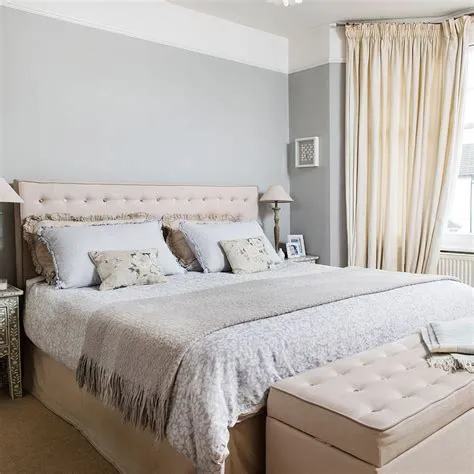
INTERIORDECOR.BIZ.ID – Light gray walls offer a sophisticated and versatile foundation for any bedroom, creating a calming and modern atmosphere. This neutral shade acts as a blank canvas, allowing you to play with various textures, colors, and styles to craft your perfect sanctuary.
Understanding the psychology of color can help. Gray is often associated with balance, neutrality, and a sense of calm, making it an excellent choice for a space designed for rest and relaxation. Light gray, specifically, feels airy and spacious, preventing the room from feeling too dark or enclosed.
Choosing Your Shade of Gray
There isn’t just one ‘light gray’; the spectrum is surprisingly broad. Consider undertones that lean towards blue for a cooler, more modern feel, or those with a hint of beige for a warmer, cozier ambiance. Experimenting with paint swatches on your wall at different times of day is crucial to see how light affects the color.
The lighting in your bedroom plays a significant role in how light gray appears. Natural light will bring out different nuances compared to artificial light, so assess your options carefully. A gray with subtle purple undertones can add an unexpected touch of elegance, while a pure, clean gray feels minimalist and chic.
Color Palettes that Complement Light Gray
One of the biggest advantages of light gray walls is their incredible versatility with other colors. Bold jewel tones like emerald green, sapphire blue, or deep amethyst can create striking contrasts and add pops of vibrant energy. These colors work well as accent pieces, such as throw pillows, blankets, or artwork.
For a softer, more serene aesthetic, pastels are an excellent companion to light gray. Think dusty rose, muted lavender, or soft mint green. These shades contribute to a tranquil and dreamy atmosphere, perfect for unwinding after a long day. They can be introduced through bedding, curtains, or decorative accents.
Texture is Key for Depth and Interest
To prevent a light gray room from feeling flat, incorporating various textures is essential. Think about layering different materials like chunky knit blankets, velvet cushions, or a faux fur rug. These tactile elements add visual interest and a sense of cozy luxury.
Wooden furniture, especially lighter woods like oak or birch, can add warmth and natural texture to a gray-toned room. Consider a wooden bed frame, nightstands, or even decorative wooden bowls to introduce an organic feel. Metal accents, like brushed brass or matte black, can add a modern, industrial, or glamorous touch depending on the finish.
Wood Tones and Metal Accents
Light gray walls pair beautifully with a wide range of wood finishes. Light to medium wood tones can enhance the room’s warmth and natural appeal. Darker woods can provide a sophisticated contrast, grounding the lighter gray tones and adding a sense of richness.
Metal accents offer another layer of textural possibility. Polished chrome or brushed nickel can lean into a modern and sleek aesthetic. Matte black hardware or lighting fixtures can add a contemporary edge, while brass or gold can introduce a touch of glamour and warmth.
Furniture and Layout Considerations
When selecting furniture, consider its scale and proportion to the room size. Lighter-colored furniture can help maintain the airy feel, while darker pieces can create a grounding effect. A well-placed accent chair in a complementary color can become a focal point.
The arrangement of your furniture is crucial for flow and functionality. Ensure there is adequate space to move around comfortably. Consider the natural light sources and try not to block them with large pieces of furniture. A balanced layout promotes a sense of order and tranquility.
Lighting for Atmosphere
Effective lighting is paramount in any bedroom, especially one with light gray walls. Layered lighting, including ambient, task, and accent lighting, can transform the mood. Dimmable overhead lights provide general illumination, while bedside lamps offer task lighting for reading.
Consider incorporating accent lighting to highlight artwork or architectural features. String lights can add a whimsical touch, while a stylish floor lamp can provide both light and a decorative element. Warm-toned bulbs are generally preferred for bedrooms to create a cozy and inviting ambiance.
Creating a Cozy Ambiance
Warm, soft lighting is key to creating a cozy ambiance. Avoid harsh, cool-toned lighting, which can make the gray walls feel stark. Lamps with fabric shades or uplighting features can diffuse light beautifully, creating a gentle glow.
Think about the overall mood you want to achieve. For a romantic atmosphere, consider using candles (safely!) or fairy lights. For a more functional and relaxed feel, focus on adjustable lighting that can be tailored to different activities.
Accessorizing for Personality
Once the main elements are in place, it’s time to add personality through accessories. Artwork can introduce color, pattern, and personal expression. Choose pieces that resonate with you and complement your chosen color scheme.
Decorative objects, such as vases, sculptures, or photo frames, can add finishing touches. Grouping items in odd numbers often creates a more visually appealing arrangement. Don’t be afraid to mix and match materials and finishes to add dimension.
Incorporating Plants and Greenery
Bringing the outdoors in with plants is a fantastic way to add life and color to a light gray bedroom. Greenery offers a natural contrast to the neutral walls and can improve air quality. Choose plants that thrive in low-light conditions if your bedroom doesn’t get much natural sun.
Consider different types of planters to match your decor style, from minimalist ceramic pots to woven baskets. Plants can be placed on shelves, nightstands, or even hung from the ceiling to add vertical interest.
The Role of Mirrors
Mirrors are excellent for reflecting light and making a room feel larger and more open. A well-placed mirror can bounce natural light around the space, enhancing its brightness. Consider a decorative mirror with an interesting frame to double as wall art.
A full-length mirror is a practical addition for any bedroom, allowing you to check your outfit before heading out. Strategically positioning mirrors opposite windows can maximize the sense of space and light, making even smaller bedrooms feel more expansive.
Bedding and Linens
Your bedding is a significant element in bedroom design, and with light gray walls, you have endless possibilities. Crisp white linens offer a timeless, hotel-like feel. For added comfort and texture, consider linen or cotton blends in natural tones.
Introduce color and pattern through accent pillows and throws. A duvet cover in a soft hue or with a subtle pattern can be a beautiful focal point. Don’t underestimate the power of layering different textures in your bedding, from soft quilts to plush decorative pillows.
Final Touches for a Cohesive Look
The final touches are what truly bring a room together. Ensure your window treatments complement your chosen style, whether it’s light and airy sheer curtains or more substantial blackout blinds for better sleep. Area rugs can define zones and add warmth underfoot.
Consider the overall sensory experience of the room. Add a subtle scent with a diffuser or candle, and ensure the temperature is comfortable. The goal is to create a personal haven that reflects your style and promotes relaxation and well-being.
Tips for a Minimalist Gray Bedroom
If you’re aiming for a minimalist aesthetic, keep your color palette restrained. Focus on a few key accent colors and prioritize clean lines and uncluttered surfaces. Choose furniture with simple designs and opt for fewer, more impactful decorative items.
Embrace the concept of ‘less is more’ by selecting high-quality pieces that serve a purpose. The light gray walls will naturally lend themselves to a serene and uncluttered feel, making it easier to maintain a minimalist environment.
Adding Warmth to a Cool Gray Palette
To counteract any potential coolness from the gray walls, introduce warm elements through wood tones, brass or gold accents, and textiles in warmer colors like blush pink, terracotta, or deep ochre. A soft, plush rug can also add significant warmth and comfort.
Consider accent lighting with warm-toned bulbs to create a cozy glow. Even small details, like a warm-toned throw blanket draped over a chair, can make a big difference in the overall feeling of the room.
Conclusion
Light gray walls are a foundation for endless design possibilities, offering a chic and calming backdrop for your personal style. By thoughtfully selecting colors, textures, furniture, and lighting, you can transform your bedroom into a serene and inviting retreat.
Experiment with different combinations to find what resonates most with you, always keeping in mind the balance of comfort, functionality, and aesthetic appeal. A well-decorated bedroom with light gray walls can be a true sanctuary, promoting peace and rejuvenation.
Frequently Asked Questions
What colors go well with light gray walls in a bedroom?
Many colors complement light gray walls, including soft pastels (blush pink, mint green), bold jewel tones (emerald, sapphire), earthy neutrals (beige, cream), and even vibrant accent colors like mustard yellow or deep teal for a striking contrast.
How can I make a bedroom with light gray walls feel warmer?
Introduce warmth through natural wood tones in furniture and decor, plush textiles like velvet or faux fur, metallic accents in brass or gold, and warm-toned lighting. Adding pops of warmer accent colors through bedding, rugs, or art can also significantly enhance the coziness.
What kind of furniture style works best with light gray walls?
Light gray walls are highly versatile and suit various furniture styles, from modern and minimalist with clean lines to transitional and eclectic. Lighter wood finishes or white furniture can enhance an airy feel, while darker woods can provide a grounding contrast.
Should I use a lot of color with light gray walls?
You can, but it’s often most effective to use accent colors strategically. Use bolder or brighter colors for smaller items like throw pillows, blankets, artwork, or decorative objects to create focal points without overwhelming the serene feel of the gray walls.
How can I add texture to a bedroom with light gray walls?
Layering textures is key! Incorporate elements like chunky knit throws, velvet or silk cushions, a plush area rug, woven baskets, wooden furniture, and even textured wallpaper or wall art to add depth and visual interest to your light gray bedroom.
Written by: William Clark