
 ZeckRV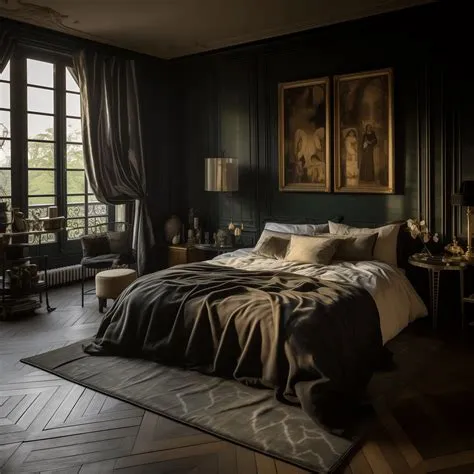
INTERIORDECOR.BIZ.ID – Transforming your bedroom into a sanctuary of calm and sophistication often involves embracing darker color palettes. Dark bedroom decor is not about creating a gloomy space, but rather an intimate, luxurious, and deeply relaxing environment. This approach uses deep hues to evoke feelings of coziness and elegance, proving that darkness can indeed be inviting.
The concept of ‘dark’ in interior design extends beyond mere black or grey; it encompasses rich jewel tones, deep blues, forest greens, and warm charcoals. These colors have a grounding effect, helping to reduce visual clutter and promote a sense of serenity. Utilizing these shades effectively requires a thoughtful approach to balance and texture.
The Psychology of Dark Colors in Bedrooms
Dark colors are known to create a sense of enclosure and intimacy, which can be incredibly conducive to sleep. They absorb light rather than reflect it, creating a dimmer atmosphere that signals to your brain that it’s time to wind down. This is why many luxury hotels and spas opt for darker themes in their relaxation areas.
Unlike lighter colors that can feel stimulating or energizing, darker tones promote relaxation and reduce anxiety. They offer a cocoon-like effect, making your bedroom feel like a private escape from the outside world. This makes them ideal for those seeking a peaceful retreat.
Key Elements of Dark Bedroom Decor
Color Palette Strategies
When designing a dark bedroom, begin with a deep, moody base color for your walls. Consider shades like charcoal grey, deep navy, forest green, or even a rich plum. These colors provide a dramatic backdrop for your chosen furnishings and accessories.
To prevent the space from feeling too heavy, introduce contrasting elements through your furniture, textiles, and accent pieces. This could involve lighter-toned bedding, metallic accents, or lighter wood furniture. Balance is key to achieving a sophisticated, not somber, look.
Material and Texture Play
The richness of dark decor is amplified by the interplay of textures. Think about incorporating plush velvet upholstery, soft chenille throws, or smooth, dark wood finishes. These tactile elements add depth and a luxurious feel to the room.
Consider materials like brushed brass, antique gold, or matte black for hardware and decorative accents. These metals can add a touch of glamour and sophistication without overwhelming the dark theme. The contrast in materials also adds visual interest.
Furniture and Accents
Choosing the Right Furniture
Opt for furniture pieces that complement the dark theme, whether through their color or material. A dark wood bed frame or a charcoal upholstered headboard can anchor the room beautifully. Consider furniture with clean lines to maintain a modern and uncluttered feel.
If your walls are very dark, you might opt for furniture in a slightly lighter shade or a contrasting material. For instance, a dark grey wall can be paired with a rich walnut dresser. The goal is to create layers of color and texture that are pleasing to the eye.
Lighting for Ambiance
Lighting is paramount in a dark bedroom, as it can dramatically alter the mood and functionality of the space. Layered lighting is essential, including ambient, task, and accent lighting. Soft, warm light sources are best for creating a cozy and inviting atmosphere.
Consider using bedside lamps with dimmable bulbs, a statement pendant light, or even subtle LED strip lighting behind the headboard. Wall sconces can also add a touch of elegance and provide functional light without taking up surface space. Avoid harsh, bright overhead lighting.
Decorating with Dark Palettes
Textiles and Bedding
Your bedding is a prime opportunity to introduce dark colors and luxurious textures. Opt for deep-hued sheets, duvet covers, and throw pillows in materials like silk, satin, or high-thread-count cotton. These add a touch of opulence and comfort.
Layering different shades of the same dark color, or combining a dark base with metallic or lighter accent pillows, can create a visually appealing and inviting bed. Don’t underestimate the power of a well-styled bed in completing the dark decor aesthetic.
Art and Accessories
Select artwork and accessories that either echo the dark theme or provide a striking contrast. Large-scale abstract art with deep, rich colors can make a bold statement. Alternatively, choose pieces with metallic frames or subtle pops of brighter color to add visual interest.
Mirrors with ornate or dark frames can also enhance the sense of depth and elegance. Arrange decorative items like vases, sculptures, or candles thoughtfully to avoid creating clutter. The aim is to curate a collection that enhances the room’s sophisticated atmosphere.
Incorporating Dark Decor into Your Space
Starting Small
If you’re hesitant to commit to dark walls, begin by incorporating darker elements through accessories. This could include dark bedding, throw pillows, curtains, or accent furniture like a nightstand or vanity. These smaller touches can significantly impact the overall mood of the room.
Experiment with a dark rug or a statement piece of art featuring dark tones. This allows you to test the waters and see how darker colors influence the feel of your bedroom before making larger design decisions. It’s a low-commitment way to explore the aesthetic.
Balancing Light and Dark
The key to successful dark bedroom decor lies in achieving balance. Ensure there’s enough natural light during the day, and use artificial lighting strategically at night. Incorporate lighter elements through furniture, artwork, or even a lighter-colored accent wall if needed.
A strategically placed mirror can reflect light and make the space feel larger and brighter. The goal is to create a space that feels intimate and cozy, but not claustrophobic. Thoughtful contrast will keep the room feeling dynamic and inviting.
Frequently Asked Questions About Dark Bedroom Decor
Is dark bedroom decor suitable for small rooms?
Yes, dark bedroom decor can be very effective in small rooms when done correctly. While counterintuitive, dark colors can create a sense of depth and make a small space feel more intimate and enveloping. The key is to balance the dark hues with strategic lighting and lighter accents to prevent the room from feeling closed in.
How can I prevent a dark bedroom from feeling too gloomy?
Preventing gloominess involves thoughtful layering and contrast. Use a variety of textures, introduce metallic accents (like brass or gold), and incorporate varied lighting sources, including warm, dimmable options. Artwork and accessories with lighter tones or pops of color can also provide necessary visual relief and break up large dark areas.
What color bedding works best with dark walls?
With dark walls, you have several excellent bedding options. White or cream bedding offers a striking contrast that brightens the space and highlights the dark walls. Alternatively, shades of grey, deep blues, or jewel tones can create a monochromatic or complementary scheme that enhances the room’s luxurious feel. Textures like satin or velvet can add an extra layer of sophistication.
Should I use dark furniture with dark walls?
Mixing dark furniture with dark walls can create a very dramatic and cohesive look, but it’s important to vary the shades and textures. For example, a dark walnut dresser might pair beautifully with deep navy walls. If you opt for very similar dark tones, ensure there are enough textural differences in materials like wood grain, upholstery, or metal finishes to prevent the room from looking flat.
How do I incorporate natural elements into a dark bedroom?
Natural elements can beautifully soften and invigorate a dark bedroom. Consider incorporating plants with deep green foliage, which will pop against dark walls. Natural wood accents, whether in furniture or decorative pieces, add warmth and organic texture. Even textured natural fibers in rugs or woven baskets can introduce a touch of nature and contrast to the deep color palette.
Written by: Sophia Martinez