
 ZeckRV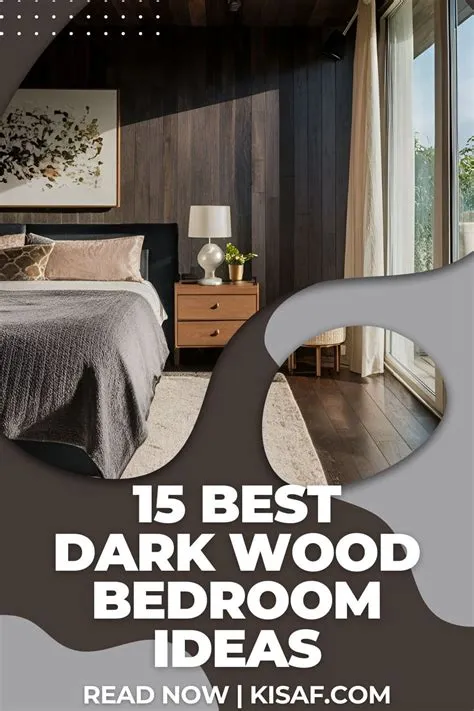
INTERIORDECOR.BIZ.ID – Transform your bedroom into a sanctuary of warmth and sophistication with the timeless appeal of dark wood. This rich material offers a sense of depth, luxury, and natural beauty that can elevate any sleeping space. From furniture to accent pieces, dark wood provides a versatile foundation for a variety of design aesthetics.
The Allure of Dark Wood
Dark wood, such as walnut, mahogany, or ebony, carries an inherent gravitas and visual weight. It evokes feelings of comfort, stability, and timeless elegance, making it a perfect choice for a personal retreat. Unlike lighter woods that can feel airy, dark wood grounds a room and creates a more intimate atmosphere.
Furniture Foundations
The most significant impact of dark wood often comes from your furniture. Consider a dark wood bed frame as the centerpiece of your room. This could range from a minimalist platform bed to an ornate four-poster, all exuding a sense of luxury. Complement this with matching nightstands and a dresser, creating a cohesive and grounded look.
When selecting dark wood furniture, pay attention to the finish. A matte finish can offer a more contemporary and understated feel, while a high-gloss finish adds a touch of glamour and reflects light, making the space feel more expansive. The grain of the wood also plays a role; a pronounced grain can add character and a rustic touch, while a smoother grain leans towards modern sophistication.
Color Palette Harmony
Pairing dark wood with the right color palette is crucial for a balanced design. Soft, neutral tones like cream, beige, or light gray work beautifully to contrast the deep hues of the wood. These lighter shades prevent the room from feeling too dark or heavy, creating a visually pleasing balance.
For a bolder statement, consider incorporating jewel tones such as deep emerald green, sapphire blue, or ruby red. These rich colors can create a dramatic and luxurious feel, especially when used in accent pieces like throw pillows, curtains, or an accent wall. The contrast between dark wood and these saturated colors is both striking and inviting.
Textural Play
Introduce various textures to add depth and interest to your dark wood bedroom decor. Think about plush rugs underfoot, soft velvet or faux fur throws draped over the bed, and linen or silk curtains. These tactile elements soften the inherent hardness of the wood and add layers of comfort.
Incorporate natural textures like woven baskets, rattan accents, or even live plants. These elements bring a touch of the outdoors in, creating a more organic and layered feel that complements the natural origin of the wood itself. Consider a macrame wall hanging or a jute rug to further enhance this textural diversity.
Lighting Strategies
Effective lighting is key to showcasing dark wood and preventing the room from feeling gloomy. Layer your lighting with a mix of ambient, task, and accent lights. Consider a statement chandelier or pendant light as a focal point, casting a warm glow over the entire space.
Strategically placed table lamps on nightstands and floor lamps in corners can provide softer, more intimate lighting. Wall sconces can highlight architectural features or artwork, adding dimension. Opt for warm-toned bulbs (around 2700K) to create a cozy and inviting atmosphere that enhances the richness of the dark wood.
Accent Pieces and Accessories
Accessorize your dark wood bedroom with pieces that complement its warmth and elegance. Metallic accents in brass, gold, or brushed nickel can add a touch of sparkle and sophistication. Consider these metals for drawer pulls, lamp bases, or decorative objects.
Artwork with warm, earthy tones or abstract pieces with bold colors can create striking focal points against a dark wood backdrop. Mirrors are also excellent additions, as they reflect light and can make the room feel larger and brighter, especially when framed in a dark wood or metallic finish. Don’t underestimate the power of well-chosen decorative pillows and a luxurious duvet cover to complete the look.
Small Touches, Big Impact
Even smaller elements can significantly contribute to your dark wood bedroom decor. Consider using dark wood for shelving to display books, photos, or decorative items. A dark wood picture frame can add a polished touch to your favorite memories.
The doors of your closets or even interior doors made of dark wood can enhance the overall theme. If replacing doors isn’t an option, consider painting existing ones a deep shade or adding dark wood trim for a similar effect. These details tie the entire room together, creating a harmonious and inviting space.
Balancing Light and Dark
The success of dark wood bedroom decor lies in its balance with lighter elements. Ensure ample natural light enters the room, and use lighter wall colors and soft furnishings to prevent the space from feeling overwhelming. The interplay between light and dark is what gives dark wood its dramatic and sophisticated appeal.
Ultimately, a dark wood bedroom is about creating a cozy, grounded, and elegant retreat. By carefully selecting furniture, considering color palettes, playing with textures, and using lighting effectively, you can craft a space that feels both luxurious and deeply comforting, a true sanctuary for rest and relaxation.
Frequently Asked Questions (FAQ)
What types of dark wood are popular for bedroom furniture?
Popular dark wood choices for bedroom furniture include walnut, mahogany, cherry, and oak with dark stains. Each offers a unique grain pattern and depth of color.
How can I prevent a dark wood bedroom from feeling too dark?
Balance dark wood with lighter wall colors, ample lighting (both natural and artificial), and lighter-toned textiles like bedding and rugs. Mirrors also help reflect light.
What color bedding complements dark wood furniture?
Lighter colors such as cream, white, light gray, soft blues, or muted greens create a beautiful contrast. Jewel tones can also be used for a more dramatic effect.
Can I mix different types of dark wood in my bedroom?
Yes, you can mix different dark woods if they have similar undertones or finishes. Alternatively, use one dominant dark wood and incorporate other wood tones as accents.
Written by: Olivia Anderson