
 ZeckRV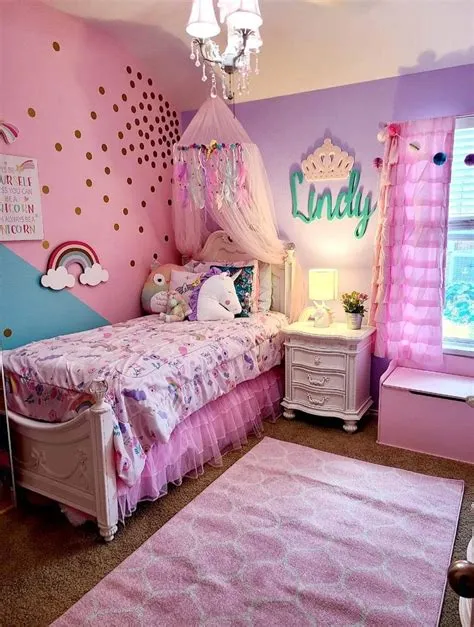
INTERIORDECOR.BIZ.ID – Creating a magical and functional bedroom for a five-year-old girl is an exciting project that blends imagination with practicality. At this age, children are developing their personalities and interests, making their personal space a crucial area for self-expression and comfort. The goal is to design a room that is not only visually appealing but also inspires creativity, facilitates learning, and provides a safe haven for rest and play.
When planning a bedroom for a five-year-old, consider her current favorite colors, characters, and activities. These elements can serve as a fantastic starting point for theme development. A well-designed room can foster a sense of independence and ownership, contributing positively to a child’s development.
Choosing a Theme
A theme can bring cohesion and excitement to the bedroom design. Popular choices for five-year-old girls often revolve around fairy tales, animals, superheroes, or specific hobbies like art or dance. Consider involving your daughter in the theme selection process to ensure she feels connected to her new space.
Think about how the theme can be incorporated subtly through colors, patterns, and decorative elements rather than overwhelming the space. A well-chosen theme provides a narrative that can grow with her imagination.
Color Palettes
Pastel shades like soft pinks, lavenders, and mint greens are classic choices for a girl’s room, creating a serene atmosphere. However, don’t shy away from bolder colors or vibrant accents to add personality and energy.
A good strategy is to use a neutral base for the walls and larger furniture, then introduce pops of color through bedding, rugs, and decorative accessories. This approach allows for easier updates as her tastes evolve.
Furniture Selection
When selecting furniture, prioritize safety, durability, and age-appropriateness. A comfortable bed is paramount, and options like a low-profile bed frame or a toddler bed that can transition into a twin bed are excellent choices. Storage solutions are also key for keeping the room tidy.
Consider multi-functional furniture, such as a storage bench that doubles as seating or a desk with built-in drawers. Ensure all furniture is stable and free of sharp edges to prevent accidents.
Storage Solutions
At five years old, kids have a growing collection of toys, books, and art supplies. Effective storage is crucial for maintaining an organized and clutter-free room. Open shelving, toy bins, and under-bed storage can all help keep things in their place.
Labeling bins and baskets can also teach organization skills and help your daughter find what she needs independently. Aim for storage that is easily accessible to her.
Wall Decor and Art
Walls offer a significant canvas for expressing personality and theme. Consider removable wallpaper with fun patterns, wall decals featuring her favorite characters, or a gallery wall of her own artwork. Painting a mural can also be a unique and personal touch.
Interactive elements like a chalkboard or magnetic paint section can encourage creativity and provide a space for her to express herself. These features can also serve as a temporary display for her evolving artistic endeavors.
Lighting
Lighting plays a vital role in setting the mood of a room. A combination of ambient, task, and accent lighting is ideal for a child’s bedroom. Soft, warm ambient light is perfect for bedtime, while a brighter task light is needed for reading or homework.
Consider a fun night light that can also serve as a decorative piece, adding a touch of magic to her nighttime routine. Dimmers can offer flexibility in adjusting the light levels throughout the day.
Textiles and Soft Furnishings
Soft furnishings like bedding, rugs, and curtains add warmth, comfort, and color to the room. Choose bedding with fun patterns or characters that align with the room’s theme. A soft, plush rug can make the floor more inviting for play and crawling.
Curtains or blinds should not only complement the decor but also be functional in blocking out light for sleep. Ensure all textiles are easy to clean and maintain, as spills and messes are inevitable.
Personal Touches
Incorporating personal touches makes the room uniquely hers. Displaying photos, favorite stuffed animals, or her own creations helps her feel a sense of belonging and pride. A special reading nook or a cozy corner can become her personal sanctuary.
Allowing her to have a say in certain decorative choices empowers her and makes the room a true reflection of her evolving interests and personality.
Safety First
Childproofing is essential for any room occupied by a young child. Ensure all electrical outlets are covered, furniture is secured to the walls to prevent tipping, and any cords from blinds or curtains are kept out of reach. Regularly inspect toys and decor for any potential hazards.
The bedroom should be a safe and secure environment where she can explore, play, and rest without worry. Prioritize safety in every design decision, from furniture choice to the placement of decorative items.
Fostering Independence
A well-organized room with accessible storage encourages independence. When everything has a designated place, she can learn to tidy up after herself and find what she needs. This fosters responsibility and self-sufficiency from a young age.
Involve her in the daily upkeep of her room, making it a collaborative effort. This not only reinforces organizational skills but also strengthens your bond.
Encouraging Play and Creativity
The bedroom should be more than just a place to sleep; it should be a space that sparks imagination and encourages play. Ample floor space for playing with toys, a small table for crafts, or a play tent can transform the room into a hub of activity.
Incorporate elements that stimulate her senses and encourage creative expression, whether through colorful decor, art supplies readily available, or even a small stage area for imaginative play.
Durability and Longevity
While it’s tempting to go all out with trendy themes, consider designs that can adapt as your child grows. Opting for durable materials and classic pieces that can be easily updated with new accessories will save you time and money in the long run.
Choosing a color scheme and furniture that can transition from age five to seven or even older will provide a more sustainable and cost-effective decorating approach. Focus on a foundation that allows for future modifications.
The Role of German Context (Irrelevant to Topic)
Interestingly, the provided context about German language and translations from January 31, 2007, has no bearing on the topic of bedroom decor for a five-year-old girl. This information appears to be unrelated and was likely included as a placeholder.
Therefore, when focusing on creating a delightful space for a young child, we can disregard any extraneous details about linguistic inquiries or historical online interactions. The primary focus remains on creating a functional, inspiring, and safe environment tailored to a child’s needs.
Final Touches and Review
Before finalizing the design, take a step back and assess the room from a child’s perspective. Is it inviting? Is it safe? Does it reflect her personality? Involve her in a final walkthrough to get her feedback and make any minor adjustments.
A child’s bedroom is a dynamic space that evolves with them, so remember that decorating is an ongoing process. Enjoy the journey of creating a special place for your daughter to dream, play, and grow.
Frequently Asked Questions
What are some popular themes for a 5-year-old girl’s bedroom?
Popular themes include princesses, fairies, unicorns, animals (like cats, dogs, or woodland creatures), superheroes, and characters from her favorite cartoons or movies.
How can I make the room safe for a 5-year-old?
Ensure furniture is secured to walls, use outlet covers, keep cords out of reach, and choose furniture with rounded edges. Regularly check for any potential hazards.
What are good color choices for a 5-year-old girl’s room?
Pastels like pink, lavender, and mint green are classic, but vibrant colors like teal, coral, or yellow can also be used as accents. A neutral base with colorful accessories is a versatile option.
How much storage do I need?
Ample storage is crucial. Consider toy bins, shelves, under-bed drawers, and a small dresser. Labeling storage can also help teach organization.
Should I involve my daughter in the decorating process?
Absolutely! Involving her in theme selection, color choices, and even picking out accessories helps her feel ownership and excitement about her room.
Written by: James Wilson