
 ZeckRV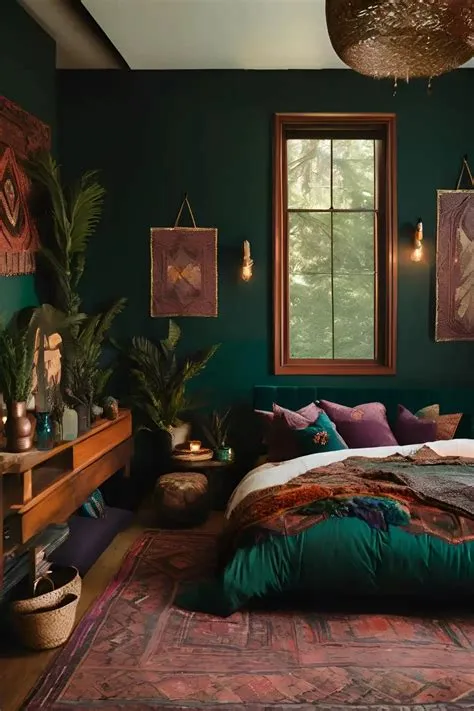
INTERIORDECOR.BIZ.ID – Choosing the right paint color for your bedroom is a crucial step in creating a sanctuary that reflects your personal style and promotes relaxation. The hue you select can significantly impact the mood, perceived size, and overall ambiance of your personal space. This guide will explore various bedroom decor ideas involving paint, offering inspiration and practical advice for your next redecoration project.
The psychology of color plays a vital role in interior design, with different shades evoking distinct emotional responses. Understanding these effects can help you make informed decisions about your bedroom’s palette. For instance, blues and greens are often associated with calmness and tranquility, making them popular choices for restful spaces.
Creating a Relaxing Atmosphere
Soft, muted tones are excellent for fostering a peaceful environment. Think about gentle blues, calming lavenders, or serene sage greens. These colors can help to visually expand a small room, making it feel more open and airy.
Consider pairing these soothing wall colors with complementary accent pieces. A soft blue bedroom can be enhanced with crisp white bedding and natural wood accents, creating a cohesive and tranquil look. This approach ensures the color contributes to the overall sense of calm.
Exploring Warm and Cozy Options
If your preference leans towards a cozier, more intimate feel, warmer color palettes might be more suitable. Earthy tones like warm beige, soft terracotta, or even a subtle muted yellow can make a bedroom feel more inviting and comforting.
These warmer shades pair beautifully with rich textures such as velvet, wool, or chunky knits. Imagine a bedroom painted in a soft, warm gray, accented with a plush velvet headboard and cozy throws; it’s an embodiment of comfort.
Making a Statement with Bold Colors
For those who prefer a more dynamic and personal statement, bolder colors can be incredibly effective. A deep navy, a rich emerald green, or even a sophisticated charcoal can add depth and drama to a bedroom.
When opting for bold hues, consider using them on an accent wall to avoid overwhelming the space. This allows you to enjoy the impact of the color without making the entire room feel too intense. Alternatively, a smaller bedroom can embrace a bold color if balanced with plenty of light and reflective surfaces.
The Power of Neutrals
Neutral colors offer timeless versatility and serve as an excellent canvas for other decor elements. Whites, grays, beiges, and off-whites are foundational to many design schemes and can be easily updated with accessories.
A crisp white bedroom can feel clean and spacious, easily adaptable to various styles from minimalist to bohemian. Incorporating different textures within a neutral palette, such as a linen duvet and a woven rug, adds visual interest and depth.
Tips for Choosing Your Bedroom Paint
Always obtain paint samples and test them on your walls in different lighting conditions. Colors can appear dramatically different under natural daylight versus artificial room lighting. This simple step can prevent costly mistakes and ensure you achieve the desired effect.
Consider the existing furniture and decor in your bedroom. The paint color should harmonize with your bed frame, curtains, rugs, and other elements to create a cohesive design. If your furniture is already quite colorful, a more subdued wall color might be best.
Understanding Light and Finish
The finish of the paint also impacts the look and feel of your room. Matte finishes absorb light and hide imperfections, offering a soft, velvety look ideal for bedrooms. Satin or eggshell finishes offer a slight sheen and are more durable and easier to clean.
Glossy finishes are highly reflective and can make a room feel brighter, but they also highlight every imperfection on the wall. For most bedrooms, a matte or eggshell finish is generally recommended for its balance of aesthetics and practicality.
Incorporating Accent Colors
Accent colors can be introduced through paint not just on walls but also on trim, doors, or even furniture. Painting a door a contrasting color, for example, can add an unexpected pop of personality.
Using accent colors in artwork, bedding, or decorative objects is another effective way to incorporate color without committing to painting entire walls. This allows for easy changes as your style evolves.
Considering Different Color Schemes
Monochromatic schemes, using different shades of a single color, create a sophisticated and unified look. Analogous schemes, using colors that are next to each other on the color wheel, offer a harmonious and pleasing visual effect.
Complementary schemes, using colors opposite each other on the color wheel, create high contrast and vibrant energy. These can be used strategically in a bedroom to highlight specific features or create a lively atmosphere.
When to Seek Professional Advice
If you find yourself overwhelmed by the choices or unsure about color theory, consider consulting an interior designer. They can offer personalized recommendations based on your space, style, and preferences.
Professional advice can save you time and money in the long run, ensuring you achieve a beautifully designed bedroom that you’ll love for years to come. They understand how colors interact and how to achieve specific moods and effects.
Final Thoughts on Bedroom Paint
Ultimately, the best paint color for your bedroom is one that makes you feel happy, relaxed, and comfortable. Don’t be afraid to experiment and choose a color that truly speaks to you.
Your bedroom is your personal haven, so let your paint color choice be an expression of your unique personality and a foundation for your dream retreat.
Frequently Asked Questions
What are the best paint colors for a small bedroom?
Light and cool colors like pale blues, soft grays, and off-whites are excellent for making small bedrooms feel more spacious and airy. They reflect light, creating an illusion of a larger room.
Which paint colors promote relaxation?
Colors like light blues, greens (especially sage or mint), lavender, and soft grays are known for their calming properties, making them ideal for promoting a restful atmosphere in the bedroom.
How do I choose an accent wall color?
Select an accent wall color that either complements or contrasts with your main wall color. It’s often the wall behind the bed or a wall with a unique architectural feature. Ensure the accent color harmonizes with your overall decor.
Should I use a matte or satin finish for bedroom walls?
A matte finish is generally preferred for bedrooms as it hides imperfections and creates a soft, velvety look. Satin or eggshell finishes offer a slight sheen and are more durable and easier to clean, which can be good for high-traffic areas or if you have children.
Can I use dark colors in a bedroom?
Yes, dark colors like navy blue, charcoal, or deep greens can create a cozy, sophisticated, and dramatic ambiance in a bedroom. Consider using them on an accent wall or in larger rooms to avoid making the space feel too enclosed.
Written by: Robert Miller