
 ZeckRV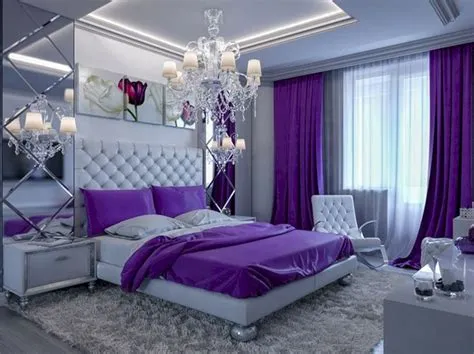
INTERIORDECOR.BIZ.ID – Transform your bedroom into a tranquil sanctuary with the rich and versatile hue of purple. This beloved color, ranging from soft lavenders to deep indigos, offers a unique ability to create an atmosphere of both calm and sophistication. Exploring bedroom decor ideas in purple allows for a wide spectrum of design possibilities to suit any personal style.
Purple is often associated with luxury, creativity, and spirituality, making it an excellent choice for a personal retreat. Its psychological effects can range from calming and relaxing in lighter shades to stimulating and energizing in deeper tones. Understanding these nuances will help in selecting the perfect shade for your desired mood.
Choosing Your Purple Palette
The first step in incorporating purple into your bedroom is to decide on the specific shade that resonates with you. Consider the overall mood you wish to achieve and the natural light your room receives. Lighter purples, like lilac or lavender, are perfect for creating a soft, airy, and calming environment, ideal for relaxation and sleep.
Deeper shades such as plum, amethyst, or deep violet can introduce a sense of opulence and drama. These richer tones work well in larger rooms or as accent colors to add depth and sophistication. They can create a cozy, enveloping feeling, making the bedroom feel more intimate and luxurious.
Incorporating Purple Through Paint
Painting your walls is one of the most impactful ways to introduce purple into your bedroom decor. A light lavender can make a small room feel larger and brighter, fostering a peaceful atmosphere. This is a great starting point for those new to using bold colors.
For a bolder statement, consider an accent wall in a deep, rich purple. This can serve as a stunning backdrop for your bed or a favorite piece of art. Alternatively, you might opt for a subtle textured paint finish in a muted purple to add visual interest without overwhelming the space.
Furniture and Fixtures
Beyond paint, furniture can also be a fantastic medium for purple decor. A velvet upholstered headboard in a deep amethyst can instantly elevate the luxury of your bedroom. Alternatively, consider a lavender chaise lounge or accent chair for a pop of color and comfortable seating.
The choice of fixtures and hardware can also complement your purple theme. Brushed brass or gold accents can add a touch of warmth and elegance against darker purples, while chrome or silver can enhance the modern feel of lighter shades.
Textiles and Soft Furnishings
Soft furnishings offer a more flexible and often less permanent way to integrate purple into your bedroom. Bedding is a prime candidate for introducing color, with duvet covers, sheets, and pillowcases available in a vast array of purple hues. Mixing patterns and textures within the purple palette can add depth and visual appeal.
Consider throw pillows and blankets in various shades and textures of purple. A chunky knit throw in plum or a collection of silk pillows in lavender can add layers of comfort and style. Curtains and rugs are also excellent opportunities to bring in your chosen purple shades, defining the space and adding warmth.
Accent Pieces and Accessories
Small touches can make a big difference in tying your purple bedroom decor together. Decorative items like vases, lamps, artwork, and candles can be chosen in complementary purple tones. These accessories allow you to experiment with different shades and styles without a significant commitment.
Mirrors with purple frames or abstract artwork featuring purple hues can serve as captivating focal points. Even smaller elements, such as drawer pulls or picture frames, can subtly reinforce the theme, creating a cohesive and thoughtful design.
Balancing Purple with Complementary Colors
To prevent a purple-dominant room from feeling overwhelming, it’s crucial to balance it with complementary colors. Neutrals like white, cream, beige, and gray are excellent choices for walls, large furniture pieces, or flooring, providing a calming backdrop that allows the purple to shine.
Consider using accent colors that harmonize with purple. Soft greens, blues, or even yellows can create interesting and pleasing contrasts. For a more muted and sophisticated look, metallic accents like gold, silver, or rose gold pair beautifully with various purple shades.
Creating a Serene Atmosphere
The ultimate goal of bedroom decor is often to create a peaceful and inviting space. Purple, especially in its softer iterations, is exceptionally adept at fostering a sense of calm and tranquility. Layering different shades and textures of purple, combined with soft lighting, can enhance this serene effect.
Think about incorporating ambient lighting, such as bedside lamps with warm bulbs or fairy lights, to cast a gentle glow that complements the purple decor. This thoughtful combination of color, texture, and lighting will transform your bedroom into a true haven of relaxation.
By carefully selecting shades, incorporating them through various elements like paint, furniture, and textiles, and balancing them with complementary colors, you can successfully create a stunning and serene bedroom space with purple as its star. Experimentation is key to finding the perfect balance that reflects your personal style and desired ambiance.
When designing with purple, remember that consistency in tone and application is important. Avoid mixing too many disparate shades without a unifying element, as this can lead to a chaotic rather than cohesive look. Instead, focus on a curated palette that flows seamlessly throughout the room.
Finally, don’t underestimate the power of personal touches. Incorporate items that bring you joy and peace, whether they are photographs, plants, or cherished keepsakes. These personal elements will make your purple-themed bedroom uniquely yours and a true reflection of your personality.
Understanding the different psychological impacts of purple hues can guide your design choices effectively. Lighter shades promote relaxation, while deeper shades can inspire creativity and warmth, allowing you to tailor the room’s atmosphere to your specific needs and preferences.
Consider the natural light in your bedroom when choosing your purple shades. Rooms with ample natural light can handle darker, richer purples, while rooms with less light might benefit from lighter, more reflective shades to maintain a bright and airy feel.
Incorporating different textures is vital for adding depth and interest to a purple-themed bedroom. Think about combining smooth silks, soft velvets, cozy knits, and natural wood elements to create a multi-sensory experience that is both visually appealing and comfortable.
The journey of decorating with purple is an opportunity to express your personal style and create a space that nurtures your well-being. With careful planning and a touch of creativity, your purple bedroom can become a beautiful and restorative retreat.
The use of contrasting and analogous colors can significantly enhance the impact of purple in your bedroom. For example, pairing purple with its analogous colors like blues and pinks can create a harmonious and sophisticated look, while contrasting colors like yellows or greens can add a vibrant and energetic touch.
Ultimately, the most successful bedroom decor is one that reflects the personality and preferences of its inhabitant. Embrace the elegance and versatility of purple to craft a space that is both beautiful and functional, a true sanctuary tailored just for you.
Frequently Asked Questions (FAQ)
What are the best shades of purple for a relaxing bedroom?
For a relaxing bedroom, opt for lighter, softer shades of purple such as lavender, lilac, or pastel violet. These hues evoke a sense of calm and tranquility, making them ideal for creating a serene atmosphere conducive to rest.
How can I add purple to my bedroom without painting the walls?
You can easily incorporate purple through textiles like bedding, curtains, rugs, and throw pillows. Accent furniture pieces, such as an armchair or ottoman, and decorative accessories like vases, artwork, or lamps are also effective ways to introduce the color.
What colors pair well with purple in bedroom decor?
Neutral colors like white, cream, gray, and beige work beautifully with purple, creating a balanced and sophisticated look. For a bolder contrast, consider accents of soft green, yellow, or even metallic tones like gold or silver.
Can deep purple shades be used in a small bedroom?
Yes, deep purple shades can be used in small bedrooms, but it’s best to use them strategically. Consider an accent wall behind the bed or use them in smaller decor items to add depth and luxury without making the room feel cramped. Lighter colors on other walls will help maintain an open feel.
How can I make a purple bedroom feel more luxurious?
To enhance the luxurious feel of a purple bedroom, opt for rich textures like velvet or silk in your textiles and upholstery. Incorporate metallic accents in gold or brushed brass, and ensure soft, ambient lighting. Deep, jewel-toned purples often contribute to a more opulent aesthetic.
Written by: James Wilson