
 ZeckRV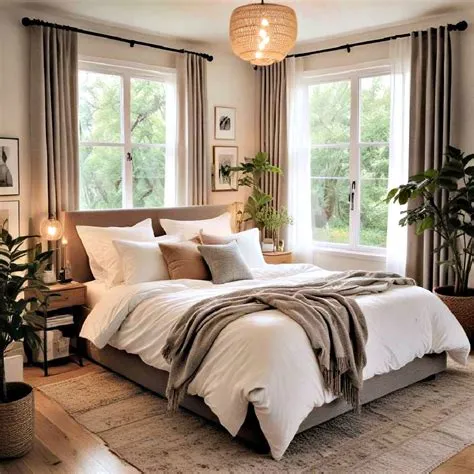
INTERIORDECOR.BIZ.ID – Transforming your bedroom into a tranquil oasis is essential for good sleep and overall well-being. Achieving a relaxing bedroom decor involves thoughtful consideration of colors, textures, lighting, and organizational strategies. This guide will walk you through key elements to help you design a serene personal retreat.
The foundation of a relaxing bedroom lies in its color palette. Soft, muted tones are generally preferred over bright, stimulating colors. Think about shades of blue, green, grey, or even warm neutrals like beige and cream. These colors evoke a sense of calm and serenity, which are crucial for winding down after a long day.
Choosing the Right Colors
Blues are often associated with the sky and sea, bringing a feeling of peace and stability to a room. Soft greens can mimic nature, promoting a sense of balance and rejuvenation. Neutrals provide a versatile backdrop that can be easily layered with other calming elements.
Avoid using too many vibrant or jarring colors, as they can disrupt the tranquil atmosphere. If you prefer a touch of color, opt for accent pieces rather than dominating the space. This ensures the primary focus remains on relaxation and comfort.
The Importance of Lighting
Lighting plays a pivotal role in setting the mood of your bedroom. Harsh overhead lights can be overstimulating, so consider softer, layered lighting options. Lamps with warm-toned bulbs provide a gentle glow that is perfect for evening hours.
Dimmers are an excellent addition to your main light fixtures, allowing you to adjust the intensity as needed. Consider string lights or accent lighting to create a cozy ambiance. Natural light should also be maximized during the day, but blackout curtains can be used to ensure darkness for sleep.
Textiles and Textures
The fabrics and textures in your bedroom contribute significantly to its cozy and relaxing feel. Opt for soft, comfortable materials for your bedding, such as cotton, linen, or bamboo. Layering different textures can add depth and warmth.
Consider plush rugs, soft throws, and decorative pillows made from materials like velvet, faux fur, or chunky knits. These elements invite touch and create a sense of comfort and security, enhancing the overall relaxing bedroom decor.
Declutter and Organize
A cluttered space can lead to a cluttered mind, so keeping your bedroom tidy is paramount for relaxation. Implement smart storage solutions to keep items organized and out of sight. This includes under-bed storage, nightstand drawers, and wardrobes.
Regularly decluttering your belongings will also help maintain a sense of calm. Designate specific places for everything, making it easier to put things away and keep your sanctuary tidy. A minimalist approach often aids in creating a more peaceful environment.
Incorporating Natural Elements
Bringing elements of nature into your bedroom can enhance its tranquil atmosphere. Plants, for example, not only purify the air but also add a touch of life and color. Choose low-maintenance plants that thrive indoors.
Wood accents, like a wooden headboard or decorative pieces, can also add a natural, grounding element. Consider artwork that depicts serene landscapes or natural scenes to further connect with the calming power of the outdoors.
Aromatherapy and Sound
Engaging your senses beyond sight can significantly enhance relaxation. Consider using essential oil diffusers with calming scents like lavender, chamomile, or sandalwood. These aromas are known for their stress-reducing properties.
Soft, calming music or nature sounds can also create a peaceful backdrop. White noise machines can mask disruptive external sounds, promoting uninterrupted rest. Creating a multi-sensory relaxing experience is key.
Personal Touches
While aiming for a tranquil aesthetic, don’t forget to personalize your space. Include items that bring you joy and comfort, such as cherished photographs or meaningful artwork. These personal touches make the room truly yours.
Ensure that these personal items are displayed in an organized manner, so they contribute to the calm rather than adding to clutter. The goal is a space that is both serene and reflective of your personality.
By carefully selecting colors, managing lighting, choosing soft textiles, organizing your space, and incorporating natural and sensory elements, you can successfully create a deeply relaxing bedroom. This sanctuary will be your personal haven for rest and rejuvenation.
Frequently Asked Questions
What are the best colors for a relaxing bedroom?
Soft blues, muted greens, calming grays, and warm neutrals like beige and cream are ideal for creating a serene atmosphere.
How can I improve the lighting in my bedroom for relaxation?
Opt for layered lighting with lamps that have warm-toned bulbs and consider installing dimmers on overhead lights. Avoid harsh, bright lights.
Are plants beneficial for a relaxing bedroom decor?
Yes, plants can purify the air and add a touch of nature, contributing to a more calming and serene environment.
What role do textiles play in bedroom relaxation?
Soft, comfortable textiles like cotton, linen, and plush throws enhance coziness and invite relaxation. Layering different textures adds depth and warmth.
How important is decluttering for a relaxing bedroom?
Decluttering is crucial; a tidy space reduces mental stress and promotes a sense of calm and order essential for relaxation.
Written by: Sarah Davis