
 ZeckRV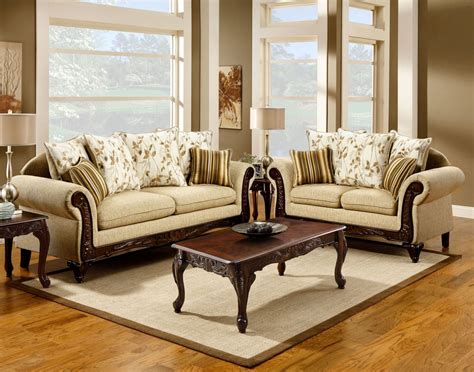
INTERIORDECOR.BIZ.ID – Understanding the correct Harmonized System (HS) code for living room furniture is crucial for anyone involved in international trade. Proper classification ensures seamless customs clearance, accurate duty calculations, and compliance with global regulations.
Incorrectly classifying your furniture can lead to significant delays, hefty fines, and even goods being seized at the border. Therefore, grasping the nuances of these codes is a fundamental requirement for importers and exporters alike.
What is a Harmonized System (HS) Code?
The HS code is a standardized numerical method of classifying traded products, developed and maintained by the World Customs Organization (WCO). This system provides a universal language for customs authorities to identify products, facilitating global trade and data collection.
Each HS code consists of at least six digits, forming a logical structure of chapters, headings, and subheadings, which become more specific with each additional digit.
Navigating Furniture Classification
Living room furniture typically falls under Chapter 94 of the HS code system, which covers “Furniture; bedding, mattresses, mattress supports, cushions and similar stuffed furnishings; lamps and lighting fittings, not elsewhere specified or included; illuminated signs, illuminated name-plates and the like; prefabricated buildings.” Within this broad chapter, specific headings and subheadings detail different types of furniture.
For instance, sofas and armchairs are generally found under heading 9401, while wooden furniture (like coffee tables or TV stands) often falls under 9403. The primary material composition, such as wood, metal, plastic, or whether the item is upholstered, significantly influences its specific HS classification.
Key Factors for Living Room Furniture HS Codes
When classifying living room furniture, several factors must be carefully considered to pinpoint the precise HS code. The item’s function, its primary material, and whether it is upholstered or designed for a specific purpose are all critical determinants.
For example, a wooden coffee table will have a different code than a metal console table, and both will differ from an upholstered sectional sofa. These distinctions are vital for accurate tariff assessment and regulatory adherence.
The Importance of Correct HS Code Identification
Accurate HS code identification is paramount to avoid potential issues during international shipping. Misclassification can result in unexpected customs duties, delays at ports, and non-compliance penalties, impacting your supply chain and profitability.
Furthermore, many countries have specific import restrictions or licensing requirements tied to particular HS codes, which exporters must be aware of to prevent complications. Consulting customs brokers or utilizing official government classification tools can help ensure correctness.
Finding the Right HS Code for Your Furniture
To find the correct HS code for your living room furniture, start by identifying the furniture’s primary function and material composition. Utilize your country’s national customs website or a global HS code search tool, which often allows you to search by product description.
If you remain unsure, seeking professional advice from a customs broker or trade consultant is highly recommended to prevent costly errors. They possess the expertise to navigate complex classification rules and ensure full compliance.
Written by: Sophia Martinez