
 ZeckRV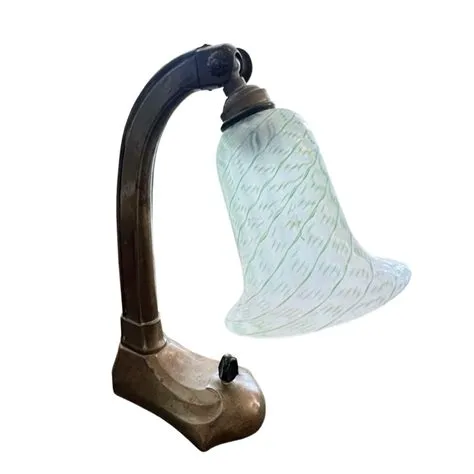
INTERIORDECOR.BIZ.ID – Decorative lights from the 1930s offer a unique blend of style and functionality, evoking a sense of glamour and warmth. These vintage fixtures played a crucial role in interior design during an era known for its Art Deco influences and burgeoning electrical advancements. Understanding the characteristics of 1930s decorative lighting can help recreate that distinct atmosphere in modern spaces.
The 1930s saw a significant shift in home aesthetics, with an increased emphasis on comfort and visual appeal. Lighting was no longer purely utilitarian; it became an integral part of the decorative scheme, much like a flower arrangement can make a table look really decorative or a plain room can be enhanced with a decorative bedspread.
The Art Deco Influence on Lighting
Art Deco was the dominant design movement of the 1930s, and its impact on decorative lights was profound. This style is characterized by geometric shapes, bold lines, and luxurious materials, all of which were reflected in the lighting fixtures of the time. Think of the sleek, symmetrical designs found in many of the period’s skyscrapers and cinemas.
Fixtures often featured polished chrome, brass, or Bakelite, combined with frosted or etched glass. The emphasis was on creating a sense of sophistication and modernity, even with the decorative elements.
Key Features of 1930s Decorative Lights
Several defining characteristics set 1930s decorative lights apart. These elements contribute to their enduring appeal and their ability to add a touch of vintage charm to any setting.
- Geometric Shapes: Many lights incorporated angular forms, stepped designs, and symmetrical patterns reminiscent of Art Deco motifs.
- Material Play: The use of contrasting materials like chrome and glass, or chrome and black Bakelite, was common.
- Frosted and Etched Glass: Glass shades were frequently frosted or etched to diffuse light softly, creating a warm and inviting glow.
- Streamlined Silhouettes: Even with decorative elements, there was often a sense of smooth, flowing lines that gave the fixtures a modern feel for the era.
Types of Decorative Lighting in the 1930s
The variety of decorative lights available in the 1930s catered to different rooms and functions. From grand chandeliers to more intimate wall sconces, each piece was designed to enhance the interior’s overall aesthetic.
Ceiling lights often featured tiered designs or globe shades, while table lamps and floor lamps provided task lighting with a decorative flair. Wall sconces were frequently designed as matching pairs, adding symmetry and elegance to hallways or living areas.
The Role of Light in 1930s Interiors
In the 1930s, lighting was carefully considered as part of the overall interior design. It was used to highlight architectural features, create mood, and complement the furniture and decorative accents within a room.
The introduction of more accessible electricity meant that decorative lighting became a common feature in many homes, moving beyond purely functional illumination. This was a time when even a simple bedspread could be chosen for its decorative appeal, indicating the broader trend towards enhancing everyday objects with aesthetic considerations.
Bringing 1930s Ambiance into Modern Homes
Recreating the ambiance of 1930s decorative lights in contemporary interiors is achievable with careful selection. Vintage or reproduction fixtures can add a unique character and historical depth to a space.
When choosing these lights, consider the existing decor and the desired mood. A well-placed vintage lamp can become a focal point, much like a striking piece of art or a well-arranged bouquet.
Considerations for Vintage Lighting
When sourcing or using 1930s decorative lights, safety and authenticity are key. Ensure any vintage fixtures have been rewired by a professional to meet current electrical standards.
Authentic pieces can be found in antique shops, online marketplaces, and specialized vintage lighting dealers. Reproductions also offer a good alternative for achieving the desired look with modern reliability.
Conclusion: The Lasting Appeal of 1930s Decorative Lights
The decorative lights of the 1930s continue to captivate with their elegant designs and historical significance. They represent a period when lighting design was deeply intertwined with artistic movements and technological progress.
Incorporating these vintage-inspired fixtures into your home can infuse it with a timeless charm, creating a warm, inviting, and distinctly stylish atmosphere that celebrates a bygone era.
Frequently Asked Questions About 1930s Decorative Lights
Understanding common queries can help clarify aspects of 1930s lighting. Here are some frequently asked questions that address typical concerns.
- What were the most popular materials for 1930s decorative lights? Popular materials included chrome, brass, Bakelite, and various types of glass, such as frosted, etched, and opalescent glass.
- How did Art Deco influence 1930s lighting design? Art Deco’s emphasis on geometric shapes, symmetry, bold lines, and luxurious materials heavily influenced the design of lighting fixtures, leading to streamlined and elegant forms.
- Are 1930s decorative lights safe to use today? Vintage lighting should always be inspected and rewired by a qualified electrician to ensure it meets modern safety standards before use.
- Where can I find authentic 1930s decorative lights? Authentic fixtures can often be found at antique stores, flea markets, online auction sites, and specialized vintage lighting retailers.
- What are some ways to incorporate 1930s lighting into a modern home? You can use them as accent pieces, pair matching sconces, or opt for reproduction fixtures that capture the era’s aesthetic while offering modern functionality.
Written by: John Smith