
 ZeckRV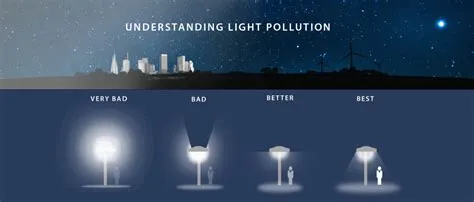
INTERIORDECOR.BIZ.ID – Light pollution, a pervasive issue in our modern world, refers to the excessive, misdirected, or obtrusive artificial light. It fundamentally alters the natural light environment, impacting both nocturnal ecosystems and human well-being. A definition of a term involves a precise determination of its meaning through explanation and breakdown of its content.
The origin of the word “definition” comes from Latin, with “definitus” meaning determined and “definitio” signifying a settlement or explanation. In essence, defining something clarifies its essence and scope. Light pollution is specifically characterized by artificial light that degrades the quality of the night sky.
What is Light Pollution?
Light pollution is the presence of unwanted or excessive artificial light at night. This can manifest in various forms, from bright city skies obscuring stars to poorly aimed streetlights illuminating buildings instead of roadways. It is a byproduct of human development and our increasing reliance on artificial illumination.
The International Dark-Sky Association (IDA) defines light pollution as the introduction of artificial light into the natural nighttime environment. This definition highlights the disruption of natural darkness, which has evolved over millennia.
Types of Light Pollution
Several distinct types of light pollution exist, each with its own characteristics and impacts. Understanding these categories helps in addressing the problem more effectively.
The primary forms include glare, skyglow, light trespass, and clutter. Glare is excessive brightness that causes visual discomfort, while skyglow is the brightening of the night sky over inhabited areas.
Light trespass occurs when light spills onto neighboring properties where it is not intended or needed. Clutter involves confusing and excessive groupings of light sources, often seen in urban areas.
Causes of Light Pollution
The principal driver of light pollution is the widespread and often inefficient use of artificial lighting. This includes everything from streetlights and commercial building illumination to residential security lights and decorative outdoor lighting.
Poorly designed lighting fixtures are a major contributor, as they often emit light in all directions, including upwards into the sky. Inefficient bulbs that produce more light than necessary also exacerbate the problem.
Urbanization and population growth directly correlate with increased artificial light, leading to a greater footprint of light pollution. As more areas become developed, natural darkness diminishes.
Effects of Light Pollution
The consequences of light pollution are far-reaching, affecting wildlife, human health, astronomical research, and energy consumption. Its impact on the natural world is particularly concerning.
For nocturnal animals, artificial light can disrupt their foraging, mating, and migratory patterns. Many insects, for example, are drawn to artificial lights, leading to exhaustion and death.
Human health can also be affected, as constant exposure to artificial light at night can interfere with our natural sleep-wake cycles, known as circadian rhythms. This disruption is linked to various health issues.
Astronomers face significant challenges due to skyglow, which washes out faint stars and deep-sky objects, making observational astronomy difficult. Furthermore, wasted light represents a significant loss of energy and economic resources.
Solutions to Light Pollution
Addressing light pollution requires a multi-faceted approach involving technological improvements, policy changes, and public awareness. Fortunately, many effective solutions are readily available.
Implementing shielded lighting fixtures is crucial, ensuring that light is directed downwards where it is needed. This simple design change can drastically reduce upward light spill.
Using warmer color temperature lights, such as those found in amber LEDs, is also beneficial as they have less impact on wildlife and human circadian rhythms. Smart lighting controls and timers can further reduce unnecessary illumination.
Educating the public and policymakers about the causes and effects of light pollution is essential for fostering a collective commitment to preserving the night sky. Promoting responsible lighting practices can help mitigate this growing environmental concern.
By embracing thoughtful lighting design and conservation efforts, we can reclaim the beauty of the night sky and restore a more natural environment for all living beings.
Frequently Asked Questions (FAQ)
What is the primary definition of light pollution?
Light pollution is the excessive or misdirected use of artificial light at night, which degrades the quality of the night environment.
What are the main types of light pollution?
The main types are glare, skyglow, light trespass, and clutter.
How does light pollution affect wildlife?
It disrupts their natural behaviors, including foraging, mating, and migration, and can lead to disorientation and increased mortality.
Can light pollution affect human health?
Yes, it can disrupt circadian rhythms, potentially leading to sleep disorders and other health issues.
What is a key solution to reducing light pollution?
Using fully shielded lighting fixtures that direct light downwards is a highly effective solution.
Written by: James Wilson