
 ZeckRV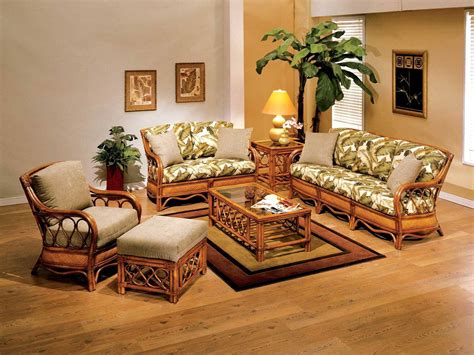
INTERIORDECOR.BIZ.ID – Designing living room furniture goes beyond simply filling a space; it involves creating a functional, comfortable, and aesthetically pleasing environment. This comprehensive guide will walk you through the essential steps to curating furniture that transforms your living area into a true reflection of your style and needs.
Thoughtful planning is crucial when embarking on this creative journey, ensuring every piece serves a purpose and contributes to the overall ambiance. Understanding the fundamental principles of design will empower you to make informed decisions for a harmonious outcome.
Understanding Your Space and Lifestyle
Before selecting any furniture, thoroughly assess the dimensions and architectural features of your living room. Measure the length, width, and height, noting the placement of windows, doors, and electrical outlets to anticipate potential constraints. Consider how you primarily use the living room, whether for entertaining guests, family movie nights, or quiet relaxation, as this dictates furniture choices and layout.
Your lifestyle profoundly influences the durability and material choices needed for your furniture. A bustling family with pets and children might prioritize resilient, easy-to-clean fabrics, while a single professional might opt for more delicate or luxurious textures.
Defining Your Personal Design Style
Identifying your preferred design aesthetic is paramount in ensuring cohesive living room furniture design. Explore various styles like minimalist, bohemian, mid-century modern, traditional, or industrial to discover what truly resonates with your taste. Look for inspiration in magazines, online platforms, and showrooms, paying attention to common elements that attract you.
Consistency in style creates a unified and visually appealing space, guiding your selections for everything from sofas to accent pieces. Don’t be afraid to blend elements from different styles, but always strive for a balanced and intentional mix.
Key Furniture Pieces for the Living Room
The core pieces form the foundation of your living room layout, dictating much of the room’s functionality and comfort. Investing in high-quality foundational items ensures longevity and a solid starting point for your design. Each piece should be chosen with its scale, proportion, and intended use in mind.
Sofas and Seating Arrangements
The sofa is often the largest and most central piece of living room furniture, serving as the main gathering point. Choose a size and configuration (e.g., sectional, three-seater, loveseat) that fits your room’s dimensions and accommodates your household’s seating needs comfortably. Consider the depth and firmness of cushions for optimal comfort, as well as the fabric’s durability and aesthetic appeal.
Complementary seating such as armchairs, recliners, or ottomans can add versatility and visual interest. These pieces offer additional places to sit while breaking up the visual weight of a large sofa, contributing to a balanced and inviting atmosphere.
Coffee Tables and Side Tables
Coffee tables are essential for functionality, providing a surface for drinks, books, and decorative items. Select a coffee table that is proportionate to your sofa and accessible from all seating positions, typically about two-thirds the length of your sofa and 18 inches from its edge. Materials like wood, glass, metal, or marble can significantly impact the room’s overall aesthetic, from rustic to contemporary.
Side tables, positioned next to sofas or armchairs, offer convenient surfaces for lamps, beverages, or personal items. They help to anchor seating arrangements and contribute to the room’s overall sense of completeness and utility.
Storage Solutions and Media Units
Effective storage is vital for maintaining an organized and clutter-free living room, enhancing both its functionality and visual appeal. Consider bookcases, media consoles, accent cabinets, or storage ottomans to house books, media devices, games, or blankets. Built-in solutions can offer a seamless look while maximizing space efficiency.
Ensure that storage pieces blend with your overall design style and are proportionate to their surroundings. A well-designed living room integrates storage discreetly, making it feel less like an afterthought and more like an intentional design element.
Optimizing Layout and Traffic Flow
A well-planned layout ensures ease of movement and fosters natural conversation areas, making the room both practical and inviting. Arrange furniture to create clear pathways, avoiding obstructions that could hinder navigation or make the space feel cramped. Identify a focal point in the room, such as a fireplace, a large window, or a media console, and arrange seating around it to encourage interaction.
Utilize area rugs to define distinct zones within an open-concept living space, visually grounding your furniture arrangements. Remember that balance, both symmetrical and asymmetrical, plays a crucial role in achieving an aesthetically pleasing and comfortable environment.
Selecting Color Palettes and Materials
The chosen color palette sets the mood and tone for your entire living room, influencing how the space feels to occupants. Consider a foundational neutral color for larger pieces like sofas, allowing for flexibility to introduce bolder accent colors through cushions, throws, or artwork. Material choices for furniture, from upholstery to wood finishes, profoundly impact texture, durability, and the room’s overall aesthetic.
Mix and match different textures, such as soft velvet, rugged leather, smooth wood, and metallic accents, to add depth and visual interest to the space. This layering of materials prevents the room from feeling flat and contributes to a rich, inviting atmosphere.
Incorporating Lighting and Accessories
Lighting is a powerful design tool that can drastically alter the mood and functionality of your living room. Incorporate a mix of ambient (overhead), task (reading lamps), and accent (table lamps, wall sconces) lighting to create layers of illumination and highlight specific features. Proper lighting can make a small room feel larger or a large room feel cozier, enhancing the overall user experience.
Accessories, including cushions, throws, artwork, plants, and decorative objects, provide the final touches that personalize your space and express your individual style. These elements are opportunities to introduce pops of color, unique textures, and meaningful items, tying the entire design together beautifully.
Bringing It All Together for a Cohesive Look
Designing living room furniture is an iterative process that combines practical considerations with personal expression. By thoughtfully approaching each element, from spatial planning to the final decorative touches, you can create a living room that is not only beautiful but also deeply personal and perfectly suited to your life. Embrace the journey of creation, knowing that a well-designed living room enriches daily living and provides a sanctuary for comfort and connection.
Frequently Asked Questions (FAQ)
How do I start designing my living room furniture?
Begin by measuring your living room dimensions and understanding your lifestyle needs. Next, define your preferred design style (e.g., modern, rustic) to guide your choices and ensure a cohesive look. Then, prioritize the essential furniture pieces like a sofa and coffee table.
What’s the most important piece of living room furniture?
The sofa is generally considered the most important piece of living room furniture. It often serves as the central focal point and dictates much of the room’s layout, comfort, and seating capacity for your household and guests.
How can I make a small living room feel larger?
To make a small living room feel larger, choose appropriately scaled furniture, opt for lighter color palettes, and incorporate reflective surfaces like mirrors. Utilize multi-functional furniture and ensure a clear, uncluttered layout with good lighting to enhance the sense of space.
Should all my living room furniture match?
No, your living room furniture does not need to perfectly match; in fact, mixing different pieces can add depth and character. Focus on creating a cohesive look through complementary styles, colors, and textures, ensuring individual pieces still work well together within the overall design theme.
What are some common living room design styles?
Some common living room design styles include Modern (clean lines, minimalist), Traditional (classic elements, rich fabrics), Mid-Century Modern (retro, organic shapes), Bohemian (eclectic, global influences), and Industrial (raw materials, utilitarian).
Written by: David Thomas