
 ZeckRV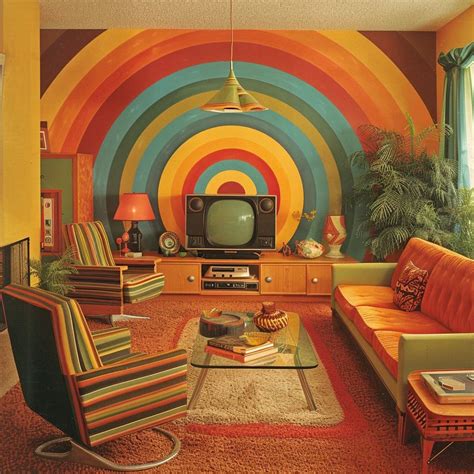
INTERIORDECOR.BIZ.ID – The 1970s marked a distinctive era in interior design, offering a vibrant shift from previous styles towards comfort, bold expression, and a touch of the unconventional. This period introduced unique furniture aesthetics that continue to captivate enthusiasts seeking a blend of nostalgia and timeless appeal in their living spaces.
Defining 70s Living Room Aesthetics
Seventies living rooms were characterized by a departure from strict formality, embracing instead a more relaxed and inviting atmosphere. Key elements included organic shapes, earthy color palettes, and a mix of luxurious and natural textures, creating a sense of cozy grandeur.
Signature Furniture Pieces of the Era
Modular sofas were a cornerstone of 70s design, offering versatile seating arrangements that could adapt to any social gathering. Deep-seated lounge chairs, often upholstered in velvet or corduroy, provided ultimate comfort and a statement piece.
Coffee tables frequently featured smoked glass, chrome, or heavy wood, grounding the room with their substantial presence. Iconic pieces like beanbag chairs and record players further contributed to the relaxed, entertainment-focused ambiance.
Materials, Colors, and Textures
The decade celebrated a rich tapestry of materials, from plush velvet and corduroy to practical rattan and wicker. Chrome accents provided a futuristic sheen, while dark wood tones like teak and walnut offered warmth.
Colors moved beyond muted tones, embracing avocado green, mustard yellow, burnt orange, and deep browns, often contrasted with bright pops of turquoise or fuchsia. Shag carpets were ubiquitous, contributing significantly to the era’s sensory experience and comfort underfoot.
Incorporating 70s Style Today
To infuse your home with 70s charm, start with a statement piece like a low-slung sectional sofa or a vintage armchair. Balance these elements with modern minimalist pieces to avoid an overly thematic or dated look.
Focus on introducing textures through textiles like throw pillows, blankets, and area rugs, favoring natural fibers and bold patterns. Don’t forget ambient lighting, such as arc lamps or mushroom lamps, to cast a warm, inviting glow reminiscent of the era.
The Bohemian Influence and Modern Relevance
The 70s also saw a strong bohemian influence, bringing macramé, earthy pottery, and lush houseplants into the living room. This blend of comfort, natural elements, and bold design makes 70s furniture highly relevant for contemporary interiors seeking character and warmth.
The Enduring Appeal of 70s Furniture
The resurgence of 70s style furniture reflects a desire for comfort, individuality, and a break from sterile minimalism. Its playful yet sophisticated designs offer a unique opportunity to create a living room that feels both lived-in and stylishly curated.
Frequently Asked Questions (FAQ)
What defines 70s style living room furniture?
Seventies furniture is characterized by its relaxed comfort, bold expression, and unique blend of organic shapes with luxurious textures. Key features include modular seating, deep lounge chairs, and an earthy color palette often accented with brighter hues.
What materials were commonly used in 70s furniture?
Common materials included plush velvets and corduroys for upholstery, alongside rattan, wicker, and dark woods like teak and walnut. Chrome accents were also prevalent, adding a touch of futuristic shine to many pieces.
How can I incorporate 70s furniture into a modern home without it looking dated?
To integrate 70s furniture seamlessly, choose one or two statement pieces, such as a vintage sofa or lounge chair, and balance them with modern, minimalist decor. Focus on texture, warm lighting, and a cohesive color scheme to create a harmonious blend of old and new.
What colors are typical of 70s decor?
The 70s embraced a palette of earthy and warm tones, including avocado green, mustard yellow, burnt orange, and various shades of brown. These were often combined with bolder accents like turquoise, fuchsia, or sunny yellows to add visual interest.
Written by: Emma Johnson