
 ZeckRV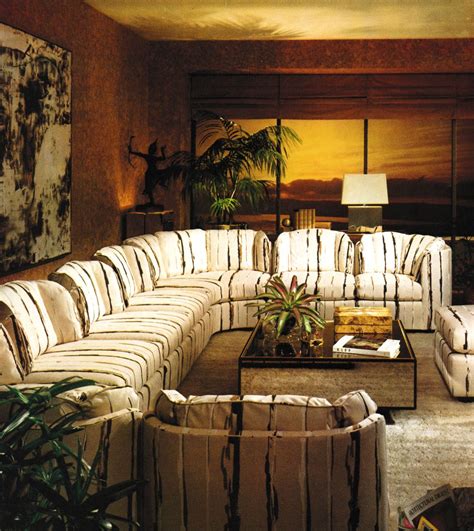
INTERIORDECOR.BIZ.ID – The 1980s, a decade of bold fashion and evolving technology, also left an indelible mark on interior design, particularly in living rooms. Wooden furniture from this era often possesses a distinct charm, blending functionality with unique aesthetic choices that reflect the period’s diverse influences.
Understanding 80s wooden living room furniture means appreciating its materials, common forms, and the design philosophies that shaped it. While often overshadowed by the sleekness of mid-century modern or the ornate details of earlier periods, 80s wood pieces offer a nostalgic glimpse into a vibrant design chapter.
The Defining Characteristics of 80s Wood
Wooden furniture in the 1980s frequently departed from the darker, heavier styles prevalent in the 1960s and 70s. Instead, many pieces embraced lighter wood tones and more pronounced grain patterns, offering a fresh, often more approachable look for the modern home.
These pieces often featured substantial, sometimes bulky silhouettes, prioritizing durability and a sense of permanence. Geometric shapes were common, from angular coffee tables to blocky entertainment units, reflecting a shift towards more contemporary and less ornate designs.
Popular Wood Types and Finishes
One of the most iconic wood types of the 80s was bleached or light oak, which became ubiquitous in everything from dining sets to wall units. Its pale hue offered a bright contrast to previous decades, often paired with pastel fabrics or glass elements.
Pine was also a popular choice, especially for more casual or country-inspired aesthetics, often stained to a light finish. While solid wood remained a staple, the 80s also saw an increase in engineered wood with wood veneers or laminates, making furniture more accessible and diverse in its applications.
Key Furniture Pieces of the Decade
The living room of the 80s was a hub for burgeoning home entertainment, leading to the rise of specialized wooden furniture. Large entertainment centers and TV units became central features, designed to house bulky televisions, VCRs, and stereo systems with integrated shelving and compartments.
Coffee tables and end tables often showcased geometric forms, sometimes combining wood with smoked glass tops or brass accents. Display cabinets, also known as curio cabinets, were popular for showcasing collectibles, often featuring glass doors and internal lighting, highlighting the decorative inclinations of the era.
Design Influences: Postmodernism and Traditional Revival
The 1980s was a fascinating period for design, with a push and pull between various influences. Postmodernism, with its playful deconstruction of traditional forms and embrace of bold shapes and sometimes contrasting materials, certainly left its mark on wooden furniture, resulting in some truly unique pieces.
Concurrently, there was a strong traditional revival, with styles like French Country and Colonial enjoying renewed popularity. These pieces, often in cherry or mahogany, provided an alternative to the contemporary trends, featuring more classic lines and sometimes ornate carvings, catering to a broader range of tastes.
Integrating 80s Wooden Furniture Today
Far from being dated, 80s wooden furniture can bring a distinctive retro charm to contemporary living spaces. A well-preserved oak coffee table or an elegant curio cabinet can serve as a unique statement piece, adding character and warmth.
Incorporating these pieces into modern decor often involves thoughtful juxtaposition, blending them with minimalist or industrial elements for an eclectic look. Their sturdy construction and often generous proportions can provide both functionality and a touch of nostalgic elegance, proving that good design truly endures across decades.
Frequently Asked Questions (FAQ)
What types of wood were most popular for living room furniture in the 1980s?
Light oak, often bleached or with a natural finish, was exceptionally popular in 80s living rooms. Pine was also common, especially for more casual styles, alongside occasional use of darker woods like cherry or mahogany for traditional pieces.
How can I identify authentic 80s wooden living room furniture?
Look for defining characteristics such as chunky, geometric shapes, lighter wood tones (especially oak), and often a combination of wood with glass (smoked or clear) or brass hardware. Entertainment centers and large wall units are also strong indicators of the decade’s focus on home electronics.
Is 80s wooden furniture considered valuable today?
While not as highly collectible as some mid-century modern pieces, certain well-preserved or unique 80s wooden furniture items can be valuable to collectors of retro design. Its value is often in its nostalgic appeal and potential for quirky, eclectic integration into modern homes.
How can 80s wooden furniture be incorporated into modern decor?
80s wooden furniture can be effectively integrated into modern decor by using it as a statement piece, creating contrast with contemporary items. For example, an 80s oak coffee table can ground a minimalist sofa, or a vintage display cabinet can add warmth and character to a sleek living room.
Written by: Sophia Martinez