
 ZeckRV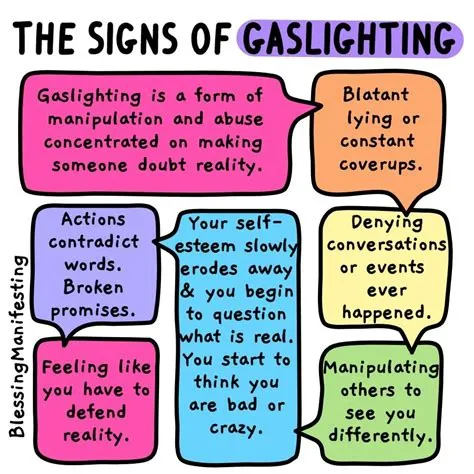
INTERIORDECOR.BIZ.ID – Gaslighting is a insidious form of psychological manipulation where a person attempts to make another doubt their own memory, perception, and sanity. This tactic erodes a victim’s confidence and can lead to significant emotional and mental distress.
The term “gaslighting” originates from the 1938 play and subsequent 1944 film, “Gaslight.” In the story, a husband manipulates his wife into believing she is going insane by subtly altering their environment, such as dimming the gas lights and then denying it. This created a powerful metaphor for this form of emotional abuse.
What is Gaslighting?
At its core, gaslighting is about gaining power and control over another person. The perpetrator systematically plants seeds of doubt, making the victim question their own reality. This is not about a simple disagreement or misunderstanding; it’s a deliberate and often prolonged campaign of psychological distortion.
The goal is to make the victim dependent on the manipulator for their sense of reality. By undermining the victim’s trust in themselves, the manipulator becomes the sole authority on what is real or true. This is a hallmark of abusive relationships.
Common Gaslighting Tactics
Perpetrators of gaslighting employ a variety of tactics to achieve their aims. These methods are designed to be subtle, making it difficult for the victim to pinpoint exactly what is happening.
- Withholding: The manipulator pretends not to understand or refuses to listen. They might say, “I don’t know what you’re talking about,” or “You’re just trying to confuse me.”
- Countering: They question the victim’s memory, even when the victim has proof. For example, “You’re remembering it wrong,” or “That never happened.”
- Blocking: The manipulator redirects or interrupts when the victim tries to discuss their concerns. They might dismiss the victim’s feelings with phrases like, “You’re overreacting.”
- Trivializing: The perpetrator makes light of the victim’s needs or feelings. They might say, “Why are you so sensitive?” or “It’s not a big deal.”
- Forgetting/Denial: The manipulator pretends to have forgotten what actually occurred or denies things they said or did. “I never said that,” or “I don’t remember that.”
The Impact on Victims
The cumulative effect of gaslighting can be devastating for the victim. They may begin to feel constantly confused, anxious, and unsure of themselves. Their self-esteem plummets as they lose faith in their own judgment and perceptions.
This erosion of self-trust can lead to feelings of isolation and depression. Victims might also experience increased self-doubt in other areas of their lives, impacting their relationships, work, and overall well-being.
Recognizing Gaslighting
Recognizing gaslighting is the first step toward addressing it. If you frequently find yourself questioning your reality, wondering if you’re too sensitive, or constantly apologizing for things you didn’t do, you might be a victim.
Pay attention to consistent patterns of behavior where your feelings or memories are invalidated. Trusting your gut feeling is crucial when dealing with potential gaslighting situations.
How to Respond to Gaslighting
If you suspect you are being gaslighted, it’s important to take steps to protect yourself. Documenting events and conversations can provide a concrete reference point when your memory is being challenged.
Seeking support from trusted friends, family, or a mental health professional is vital. These individuals can offer an objective perspective and validate your experiences, helping you rebuild your sense of self.
Breaking Free from Manipulation
Escaping a gaslighting dynamic often involves setting firm boundaries and, in many cases, distancing yourself from the manipulator. Re-establishing your sense of self-worth and agency is paramount.
Therapy can be incredibly effective in helping individuals process the trauma of gaslighting and develop healthier coping mechanisms. It provides a safe space to heal and regain confidence in one’s own perceptions and judgments.
Preventing Gaslighting
While you cannot control another person’s actions, you can cultivate self-awareness and strong boundaries to mitigate the impact of manipulative behavior. Educating yourself about these tactics is a powerful preventative measure.
Nurturing healthy relationships built on mutual respect and honesty can also act as a shield. Knowing your own worth and trusting your internal compass makes you less susceptible to external attempts to undermine your reality.
The Importance of Validation
In relationships, open communication and mutual validation are essential. When individuals feel heard and understood, it fosters trust and prevents the conditions that allow gaslighting to thrive.
Learning to trust your own inner voice and perceptions is a lifelong skill. It empowers you to identify and resist manipulative tactics, ensuring healthier and more authentic interactions.
Frequently Asked Questions (FAQ)
What is the definition of gaslighting?
Gaslighting is a form of psychological manipulation in which a person or group covertly sows seeds of doubt in a targeted individual or group, making them question their own memory, perception, or judgment.
Where does the term ‘gaslighting’ come from?
The term originates from the 1938 play “Gas Light” and its film adaptations, where a husband manipulates his wife into believing she is going insane by subtly altering their environment and then denying it.
What are common tactics used in gaslighting?
Common tactics include withholding information, countering the victim’s memory, blocking conversations, trivializing feelings, and outright denial of events or statements.
What is the impact of gaslighting on victims?
Victims may experience confusion, anxiety, self-doubt, low self-esteem, depression, and isolation as their sense of reality and self-trust is eroded.
How can someone recognize if they are being gaslighted?
Signs include frequently questioning your own reality, feeling overly sensitive, constantly apologizing, and having a distorted sense of self-trust or self-worth.
What should someone do if they suspect they are being gaslighted?
It is important to document events, seek support from trusted individuals or a therapist, and set firm boundaries with the manipulator. In some cases, distancing oneself from the person is necessary.
Written by: Sarah Davis