
 ZeckRV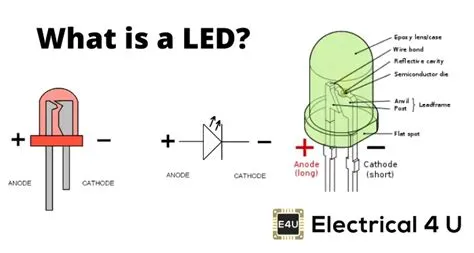
INTERIORDECOR.BIZ.ID – A light-emitting diode (LED) is an electronic component that uses a semiconductor to emit light when current flows through it. Electrons in the semiconductor recombine with electron holes, thereby releasing energy in the form of photons, which we perceive as light.
This fundamental process makes LEDs a highly efficient and versatile lighting technology. Unlike incandescent bulbs that generate light by heating a filament, LEDs produce light through a solid-state process, leading to numerous advantages in performance and longevity.
What is a Light-Emitting Diode (LED)?
At its core, an LED is a semiconductor device. Semiconductors are materials that have electrical conductivity between that of a conductor and an insulator. In an LED, this semiconductor material is specifically engineered to emit light.
The term ‘diode’ refers to the fact that it’s a two-terminal electronic component with a casing, typically made of plastic, that allows current to flow in only one direction. This unidirectional current flow is crucial for its operation.
The Electroluminescence Process Explained
The emission of light from an LED is a result of a phenomenon called electroluminescence. This occurs when an electric current is passed through the semiconductor material, exciting its electrons.
Specifically, electrons within the semiconductor move and recombine with ‘electron holes’ (vacancies where an electron should be). This recombination event releases energy, which is emitted as photons, the fundamental particles of light.
The Role of Semiconductors
The specific type of semiconductor material used determines the color of the light emitted. Different semiconductor compounds have different energy band gaps, which dictate the energy of the photons released. Higher energy photons correspond to bluer light, while lower energy photons produce redder light.
Common semiconductor materials used in LEDs include gallium arsenide (GaAs), gallium phosphide (GaP), and gallium nitride (GaN), often doped with other elements to achieve desired light characteristics.
Key Components of an LED
An LED typically consists of a semiconductor die, which is the actual light-emitting element. This die is mounted on a lead frame or substrate, which provides electrical connections and mechanical support.
A lens or reflector is usually incorporated to direct and diffuse the emitted light, making it suitable for various applications. The encapsulation material, often epoxy or plastic, protects the delicate semiconductor components from environmental factors like moisture and dust.
Advantages of LED Lighting
One of the most significant advantages of LEDs is their energy efficiency. They convert a much larger percentage of electrical energy into light compared to traditional lighting technologies, leading to substantial energy savings.
LEDs also boast an exceptionally long lifespan. Their solid-state nature means there are no filaments to burn out, allowing them to operate for tens of thousands of hours, significantly reducing maintenance and replacement costs.
Durability and Versatility
The robust construction of LEDs makes them highly durable and resistant to shock and vibration. This makes them ideal for environments where traditional bulbs might easily break.
Furthermore, LEDs are incredibly versatile in terms of size, shape, and color. They can be manufactured in very small sizes, enabling innovative lighting designs and integration into various products and applications, from small indicator lights to large-scale illumination projects.
Applications of LED Technology
LEDs are used in an extensive array of applications today. They are the standard for general lighting in homes, offices, and public spaces due to their efficiency and longevity.
Beyond general lighting, LEDs are found in traffic signals, automotive headlights and taillights, electronic displays (televisions, smartphones), medical devices, and even in specialized horticultural lighting for plant growth.
The Future of LED Lighting
Ongoing research and development continue to push the boundaries of LED technology. Innovations are focusing on increasing efficiency further, improving color rendering, and developing smart lighting solutions that can be controlled wirelessly.
The trend towards sustainable and energy-efficient solutions ensures that LEDs will remain at the forefront of lighting innovation for the foreseeable future, offering a bright and eco-friendly alternative to older technologies.
Frequently Asked Questions About LED Lights
What makes LEDs energy efficient?
LEDs are more energy efficient because they convert a higher percentage of electrical energy directly into light, unlike incandescent bulbs which lose a lot of energy as heat.
How do LEDs produce different colors?
The color of light emitted by an LED is determined by the semiconductor material used, which dictates the energy of the photons released during the electron-hole recombination process.
Are LEDs more expensive than traditional bulbs?
While the initial cost of LEDs can be higher, their significantly longer lifespan and energy savings typically result in a lower total cost of ownership over time.
Can LED lights be dimmed?
Yes, many LED lights are dimmable, but it requires compatible LED dimmers and often specific types of dimmable LED bulbs.
Written by: Sophia Martinez