
 ZeckRV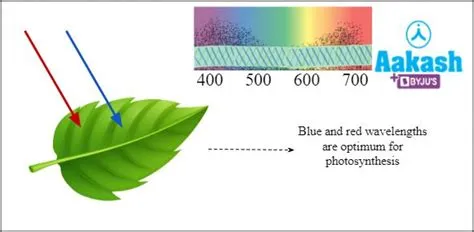
INTERIORDECOR.BIZ.ID – Light is a fundamental element in biology, acting as a primary tool for perception and interaction for countless organisms. Its influence extends from warming our planet to initiating complex life-sustaining processes. Understanding light‘s definition in biology is key to grasping many biological phenomena.
At its core, light in biology refers to electromagnetic radiation within the visible spectrum. This is the portion of the electromagnetic spectrum that the human eye can detect and interpret as colors. However, many organisms utilize wavelengths beyond the visible spectrum for their survival and processes.
The Spectrum of Light and Biological Significance
The electromagnetic spectrum is a vast range of radiation, with light occupying a specific band. This band is characterized by its wavelength and frequency, which dictate its energy level. Different organisms have evolved specialized photoreceptors to detect specific ranges of these wavelengths.
For instance, ultraviolet (UV) light, though invisible to humans, is crucial for vitamin D synthesis in many animals and plays a role in plant growth. Infrared (IR) light, felt as heat, is used by some animals to detect prey or regulate body temperature.
Photosynthesis: Light as Energy
One of the most significant biological roles of light is in photosynthesis. This is the process by which plants, algae, and some bacteria convert light energy into chemical energy, stored in the form of glucose. This forms the base of most food chains on Earth.
Chlorophyll, a pigment found in plants, is the primary molecule responsible for absorbing light energy, particularly in the red and blue parts of the visible spectrum. Green light is largely reflected, which is why plants appear green to us.
The Process of Photosynthesis
During photosynthesis, light energy splits water molecules, releasing oxygen as a byproduct. This energy is then used to convert carbon dioxide from the atmosphere into sugars. Without light, this vital energy conversion would not occur, impacting atmospheric composition and energy availability.
The efficiency of photosynthesis can vary depending on light intensity, wavelength, and the plant’s physiological state. Different plant species are adapted to thrive under varying light conditions, from deep shade to intense sunlight.
Vision: Light as Information
Beyond energy, light serves as a critical source of information for organisms through vision. The ability to detect light allows creatures to navigate, find food, avoid predators, and communicate. This sensory input shapes behavior and evolutionary adaptations.
In the eye, specialized cells called photoreceptors (rods and cones in vertebrates) capture photons of light. This light energy triggers a cascade of chemical reactions that ultimately send signals to the brain, where they are interpreted as images.
How Vision Works
Rods are highly sensitive to low light levels, enabling vision in dim conditions, while cones are responsible for color vision and function best in brighter light. The specific types of opsins within these photoreceptors determine the wavelengths of light an animal can perceive.
The evolution of vision has led to an incredible diversity of visual systems across the animal kingdom, from simple light-sensitive spots to complex compound eyes and camera-like eyes with sophisticated lenses.
Other Biological Roles of Light
Light also influences many other biological processes. For example, circadian rhythms, the internal biological clocks that regulate sleep-wake cycles, are heavily influenced by light exposure. This includes humans, whose melatonin production is suppressed by light.
Photoperiodism, the response of organisms to seasonal changes in day length, is vital for reproduction, migration, and flowering in plants. This allows organisms to synchronize their life cycles with environmental cues.
Light and Development
Light can even play a role in development. For instance, certain stages of insect and amphibian development are sensitive to light cues. Additionally, photomorphogenesis in plants refers to how light influences plant growth and development, guiding stem elongation and leaf expansion.
In conclusion, the definition of light in biology encompasses its role as both an energy source and an information carrier. Its impact is pervasive, underpinning fundamental processes from the conversion of atmospheric gases to the intricate mechanisms of sight.
Frequently Asked Questions About Light in Biology
- What is the visible spectrum of light? The visible spectrum is the portion of the electromagnetic spectrum that is detectable by the human eye, typically ranging from approximately 380 to 750 nanometers in wavelength.
- How do plants use light? Plants use light primarily for photosynthesis, converting light energy into chemical energy (sugars) to fuel their growth and development.
- Are there other organisms that use light besides plants? Yes, many organisms, including algae, cyanobacteria, and various animals, utilize light for energy, vision, and regulating biological processes like circadian rhythms.
- Can animals see wavelengths of light that humans cannot? Yes, some animals can see into the ultraviolet (UV) or infrared (IR) parts of the spectrum, which are invisible to humans.
Written by: Sophia Martinez