
 ZeckRV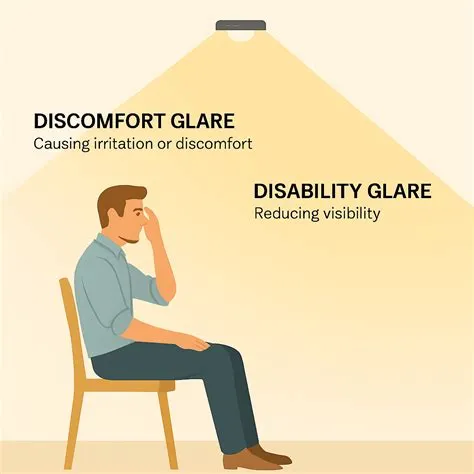
INTERIORDECOR.BIZ.ID – Light is a primary tool for perceiving the world and interacting with it for many organisms. Light from the Sun warms the Earth, drives global weather patterns, and initiates the life-sustaining processes essential for all living things. Understanding how light behaves, including phenomena like glare, is crucial for fields ranging from physics to human physiology.
Glare, in simple terms, is a visual sensation caused by a brightness outside the range of what the eye can comfortably adapt to. It is an excessive and uncontrolled light that can impair vision, causing discomfort or even temporary blindness. This phenomenon is not merely an annoyance but can have significant practical implications.
What is Light Glare?
The definition of light glare refers to the difficulty of seeing in the presence of bright light such as direct or reflected sunlight or artificial light. It’s essentially an excessive amount of luminance that can be distracting or even blinding to the observer. Think of it as looking directly into a powerful spotlight; your vision is temporarily overwhelmed.
This happens because our eyes have a limited dynamic range, meaning they can only process a certain range of light intensities at any given moment. When a very bright light source exceeds this range, the photoreceptor cells in our eyes become saturated, leading to reduced visual performance.
Types of Glare
Glare can be broadly categorized into two main types: disability glare and discomfort glare. Understanding these distinctions helps in addressing the problem effectively in various settings. Both can impact our ability to see clearly and comfortably.
Disability Glare
Disability glare is the type of glare that reduces the ability to perceive details and shapes, thereby impairing visual performance. This occurs when bright light scatters within the eye, creating a veil of light that obscures the image formed on the retina. It is a more objective measure of visual impairment.
A common example is driving at night with oncoming headlights. The bright light doesn’t necessarily cause pain, but it makes it much harder to see the road and other vehicles, significantly increasing the risk of an accident. Similarly, sunlight reflecting off a wet surface can cause disability glare.
Discomfort Glare
Discomfort glare, on the other hand, causes annoyance, fatigue, and a general reduction in visual comfort without necessarily causing a measurable loss in visual performance. While it might not prevent you from seeing, it makes the experience unpleasant and can lead to headaches and eye strain. It is more subjective in nature.
Imagine working under a poorly positioned fluorescent light that shines directly into your eyes. You can still see your work, but the constant brightness is irritating and makes you want to look away. This feeling of unease and irritation is discomfort glare.
Causes of Glare
Several factors can contribute to the occurrence of glare. The intensity of the light source, its position relative to the observer, and the reflective properties of surrounding surfaces all play a significant role. Understanding these causes is the first step to mitigation.
Direct sunlight, especially during sunrise and sunset, is a primary source of intense light. Artificial sources like high-intensity discharge lamps, LEDs, and even illuminated screens can also be significant contributors. The reflective nature of surfaces like water, snow, polished metal, or glass is another key factor.
Effects of Glare
The effects of glare can range from minor inconveniences to serious safety hazards. Depending on the type and severity, glare can impact our daily activities and well-being. Recognizing these effects is crucial for implementing appropriate preventative measures.
Visually, glare can cause temporary loss of vision, reduced contrast sensitivity, and difficulty in distinguishing objects. Over prolonged exposure, it can lead to eye strain, headaches, and fatigue, impacting productivity and overall comfort. In critical situations, such as driving or operating machinery, glare can have catastrophic consequences.
Minimizing Glare
Fortunately, there are many strategies to reduce or eliminate the negative effects of glare. These often involve controlling the light source, managing reflections, and using protective measures. Thoughtful design and user awareness are key to achieving better visual conditions.
Employing techniques like using polarized lenses, anti-glare coatings on screens, adjusting lighting fixtures, and strategically placing blinds or curtains can significantly mitigate glare. In outdoor environments, wearing sunglasses or using visors can provide immediate relief.
Applications and Importance
The study and control of glare are vital in numerous fields, including architecture, automotive design, photography, and vision science. Ensuring comfortable and effective vision is paramount for safety and efficiency in many human endeavors. For instance, glare-free lighting in offices improves worker productivity and reduces eye strain.
In the automotive industry, reducing glare from headlights and road surfaces enhances driver safety, especially during adverse weather conditions. Architects consider glare when designing buildings to ensure optimal natural light utilization without causing visual discomfort for occupants. Photography also relies on understanding how light interacts with subjects and lenses to avoid unwanted reflections and flares.
Conclusion
In summary, light glare is an optical phenomenon that occurs when excessively bright light interferes with vision. It can manifest as disability glare, impairing visual performance, or discomfort glare, causing annoyance and fatigue. By understanding its causes and effects, we can implement effective strategies to minimize its impact, ensuring safer and more comfortable visual experiences in our daily lives.
The continuous interaction of light with our environment necessitates ongoing attention to visual comfort and safety. Whether in the workplace, during travel, or simply enjoying the outdoors, managing glare remains a critical aspect of visual well-being.
Frequently Asked Questions (FAQ)
What is the primary definition of light glare?
Light glare is defined as a visual sensation caused by excessive brightness that is outside the range of what the human eye can comfortably adapt to, leading to impaired vision, discomfort, or temporary blindness.
What are the two main types of glare?
The two main types of glare are disability glare, which impairs visual performance by reducing the ability to perceive details, and discomfort glare, which causes annoyance and visual fatigue without significantly impacting performance.
What causes light glare?
Glare is typically caused by direct sunlight, artificial light sources that are too intense or improperly positioned, and the reflection of light off bright or shiny surfaces like water, glass, or polished metal.
Can glare cause permanent eye damage?
While glare can cause temporary vision impairment and discomfort, prolonged exposure to extremely intense light sources, like staring directly at the sun, can cause permanent eye damage. However, typical everyday glare is usually not permanently damaging.
How can I reduce glare when working on a computer?
To reduce glare on computer screens, you can use an anti-glare screen filter, adjust the screen’s brightness and contrast, position your monitor to avoid direct light sources, and consider using blinds or curtains to control ambient light.
Why is glare a problem for drivers?
Glare is a significant problem for drivers because it can momentarily blind them, reduce their ability to see the road, pedestrians, and other vehicles, thereby increasing the risk of accidents. This is especially dangerous during sunrise, sunset, or in wet conditions.
Written by: Sophia Martinez