
 ZeckRV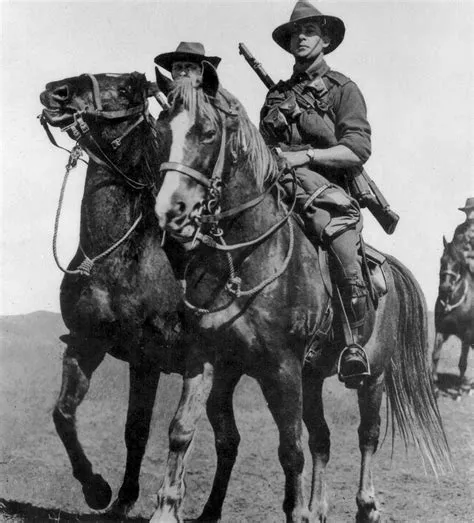
INTERIORDECOR.BIZ.ID – Understanding the terminology used in the equestrian world is crucial for anyone involved with horses, from novice riders to experienced breeders. Among the many classifications used to categorize horses, the term “light horse” is fundamental. This designation differentiates a significant group of equine breeds based on their physical characteristics and intended uses.
Essentially, a light horse definition refers to a horse that is lighter in build and generally smaller than a draft horse. These horses are typically bred for riding, speed, agility, and a more refined appearance. They contrast sharply with the heavier, more muscular draft breeds that were historically used for plowing fields and pulling heavy loads.
Historical Context of Light Horses
Throughout history, light horses have played pivotal roles in human civilization. Their speed and agility made them ideal for warfare, allowing riders to maneuver quickly on the battlefield. They were also essential for transportation, enabling long-distance travel and exploration across continents.
The development of various light horse breeds was often driven by specific regional needs and environmental conditions. For instance, breeds evolved to thrive in mountainous terrains or arid climates, influencing their conformation and temperament.
Key Characteristics of Light Horses
The defining characteristics of a light horse include their skeletal structure, musculature, and overall size. They possess a more slender frame compared to their heavier counterparts. Their bones are less massive, and their muscles are more adapted for rapid movement rather than brute strength.
A typical light horse will stand between 14.2 and 17 hands high, although this can vary by breed and discipline. Their weight usually ranges from 900 to 1,400 pounds, making them significantly lighter than draft horses which can easily exceed 1,800 pounds.
Common Uses and Disciplines
The versatility of light horses is evident in the wide array of disciplines they excel in today. These include various forms of equestrian sports, recreational riding, and even some specialized work roles. Their athleticism and responsiveness make them suitable for a broad spectrum of activities.
Some of the most popular uses for light horses include English riding disciplines like show jumping, dressage, and eventing. They are also prominent in Western riding styles such as reining, cutting, and trail riding.
Examples of Popular Light Horse Breeds
Numerous breeds fall under the light horse umbrella, each with unique traits and histories. The Thoroughbred, for example, is renowned for its speed and stamina, making it the foundation breed for most racehorses. Arabians are celebrated for their endurance, intelligence, and distinctive head shape.
Other well-known light horse breeds include the Quarter Horse, prized for its versatility and calm temperament, and the American Paint Horse, known for its striking coat patterns. The Morgan horse, one of America’s oldest breeds, is recognized for its strength, spirit, and versatility.
Distinction from Draft Horses
The contrast between light horses and draft horses is one of function and form. Draft horses, like the Clydesdale or Belgian, are built for power and endurance in pulling heavy loads. They have massive bone structure, broad chests, and heavy muscling designed for sustained, powerful effort.
Light horses, on the other hand, are designed for speed, agility, and the demands of riding. Their lighter build allows for quicker movements and greater maneuverability, which is essential for activities like racing, jumping, and competitive riding disciplines.
The Role of Light in Equine Physiology
While the term “light horse” primarily refers to a physical classification, the concept of “light” can also be metaphorically linked to their energetic nature and responsiveness. Much like light is a primary tool for perceiving the world and interacting with it for many organisms, a well-trained light horse is highly responsive to a rider’s cues, enabling a fluid and dynamic interaction.
Light from the Sun warms the Earth, drives global weather patterns, and initiates life-sustaining processes. Similarly, light horses, through their energetic engagement and responsiveness, are integral to numerous human activities and traditions, reflecting a vital partnership between species.
Conclusion
In summary, the light horse definition encompasses a broad category of equine breeds characterized by their lighter build, agility, and suitability for riding and performance. Understanding this classification is key to appreciating the diverse roles horses play in sports, recreation, and history.
By differentiating them from heavier draft breeds, we gain a clearer understanding of their specific evolutionary paths and the unique qualities that make them so valued in the equestrian world. This knowledge enriches the experience of anyone who interacts with these magnificent animals.
Frequently Asked Questions about Light Horses
- What is the primary difference between a light horse and a draft horse?
- The primary difference lies in their build and intended use: light horses are lighter and bred for riding and speed, while draft horses are heavier and bred for pulling heavy loads.
- What is the average height of a light horse?
- Light horses typically range from 14.2 to 17 hands high, with variations depending on the specific breed.
- Are racehorses considered light horses?
- Yes, most racehorses, such as Thoroughbreds, are classic examples of light horses due to their speed, athleticism, and lighter build.
- Can light horses be used for work?
- While not bred for heavy labor like draft horses, light horses can be used for lighter work such as trail riding, ranch work, and patrol duties.
- What are some of the most popular light horse breeds?
- Popular light horse breeds include the Thoroughbred, Arabian, Quarter Horse, American Paint Horse, and Morgan horse.
Frequently Asked Questions (FAQ)
What is the primary difference between a light horse and a draft horse?
The primary difference lies in their build and intended use: light horses are lighter and bred for riding and speed, while draft horses are heavier and bred for pulling heavy loads.
What is the average height of a light horse?
Light horses typically range from 14.2 to 17 hands high, with variations depending on the specific breed.
Are racehorses considered light horses?
Yes, most racehorses, such as Thoroughbreds, are classic examples of light horses due to their speed, athleticism, and lighter build.
Can light horses be used for work?
While not bred for heavy labor like draft horses, light horses can be used for lighter work such as trail riding, ranch work, and patrol duties.
What are some of the most popular light horse breeds?
Popular light horse breeds include the Thoroughbred, Arabian, Quarter Horse, American Paint Horse, and Morgan horse.
Written by: Robert Miller